




If you’re aiming for a career in healthcare, pharmaceuticals, or biomedical research, a degree alone isn’t enough. Employers look for graduates who can contribute from day one, and that comes from practical experience. At the University of Guelph’s College of Biological Science, hands-on learning is built into every programme. You apply concepts in real settings, strengthen your technical skills, gain confidence, and graduate ready to step straight into your career.
One student who lived this firsthand is Parneet Kaur, who moved from India to study a Bachelor of Science in Microbiology and Immunology at Guelph. “The programme’s curriculum stands out for its strong emphasis on industrial and research applications, equipping students with practical skills and knowledge relevant to real-world challenges,” she says. That experiential foundation is what helped her land her current role as a microbiologist at SGS Canada, a testing, inspection, and certification company.
It is the kind of outcome Guelph has built its reputation on. The university ranks among the top 150 in the world for Life Sciences and fifth in Canada, according to the 2026 Times Higher Education Rankings. In Biotechnology, it is placed among the top 51 to 75 globally and second in Canada, per the 2025 Shanghai Rankings. Maclean’s rankings consistently places U of G among the top multidisciplinary universities in Canada and first in total research dollars among comprehensive universities.
The city itself adds another layer of appeal. Guelph has been consistently ranked among the top places to live in Canada for quality of life and safety and is close to Toronto and Pearson International Airport.
Study Health at the University of Guelph
Applied learning at every step
The college offers programmes in Biochemistry, Biological Science, Bio-Medical Science, Human Health and Nutritional Sciences, Human Kinetics, Microbiology and Immunology, Molecular Biology and Genetics, and Neuroscience. Hands-on learning starts early in all programmes and far more often than you’d expect.
Take Bio-Medical Science and Human Kinetics, for example. Students in these programmes can explore anatomy and physiology by dissecting human cadavers in the on-campus Human Anatomy Laboratory. This kind of access is rare for undergraduates in Canada, and graduates say it has given them a head start in their careers in medicine, dentistry, physiotherapy, and more.
Just ask Dr. Naythrah Thevathasan, Class of 2015, who completed her Bio-Medical Science degree and is now a third-year paediatric resident. “The programme gave me the foundation to be a critical thinker and to ask tough questions,” she says. “It has helped me both in my previous career in public health and as a doctor.”
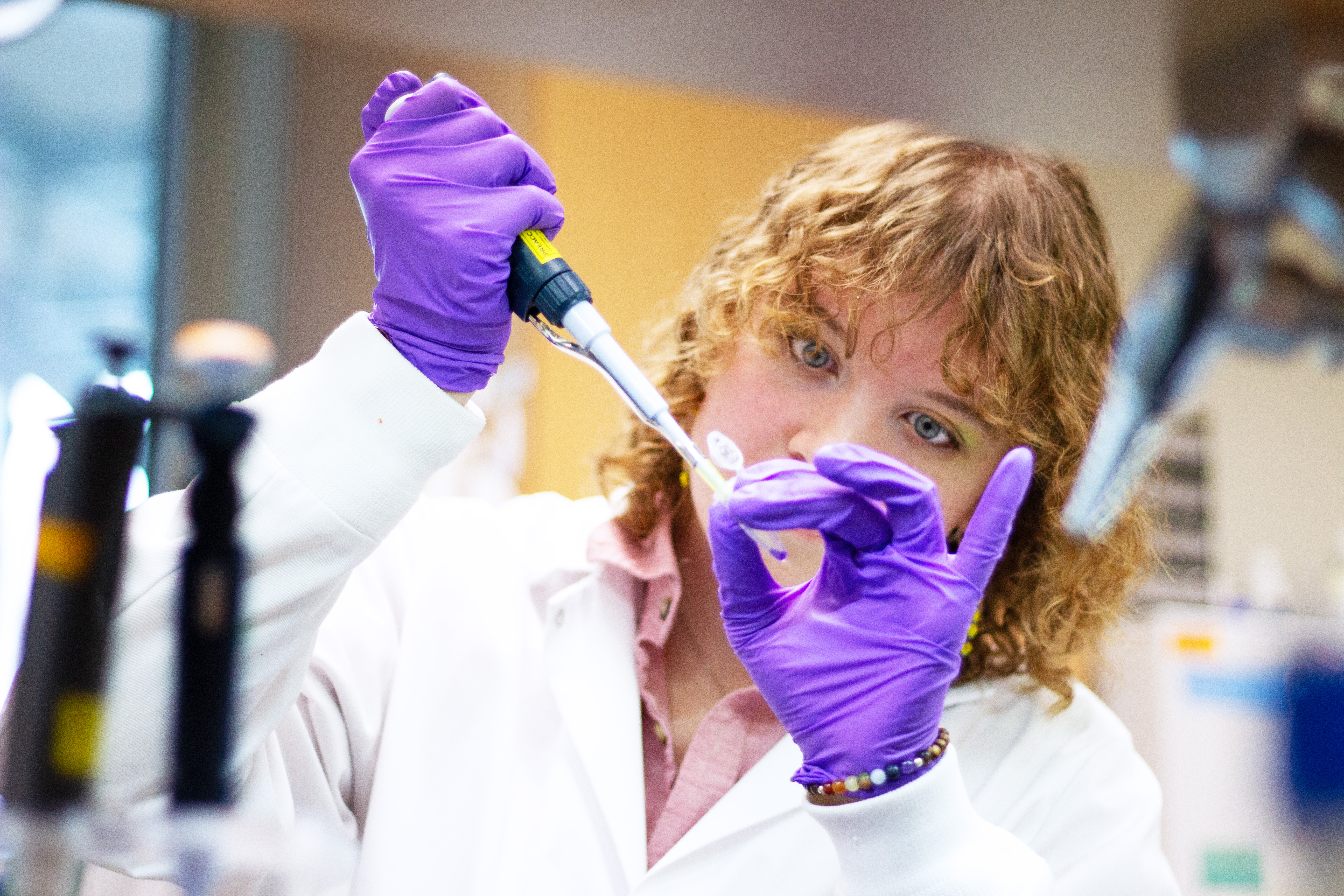
That same approach carries into lab-heavy programmes like Biochemistry, Microbiology and Immunology, and Molecular Biology and Genetics, with labs in almost every semester. You start with the fundamentals and build up to techniques like Polymerase Chain Reaction, Western blotting, cell culture, and recombinant protein expression and purification, alongside data analysis and bioinformatics skills. By the third year, Microbiology and Immunology students in the Advanced Methods in Microbiology course are collecting soil samples and analysing them for novel antibiotic candidates.
Kaur found her second- and third-year core Microbiology courses especially engaging, thanks to professors like Dr. Emma Allen-Vercoe and Dr. Georgina Cox, both Canada Research Chairs, who often incorporate interactive activities and collaborative games into their lessons. “It made complex concepts easier to grasp and the classroom environment more dynamic,” Kaur says.
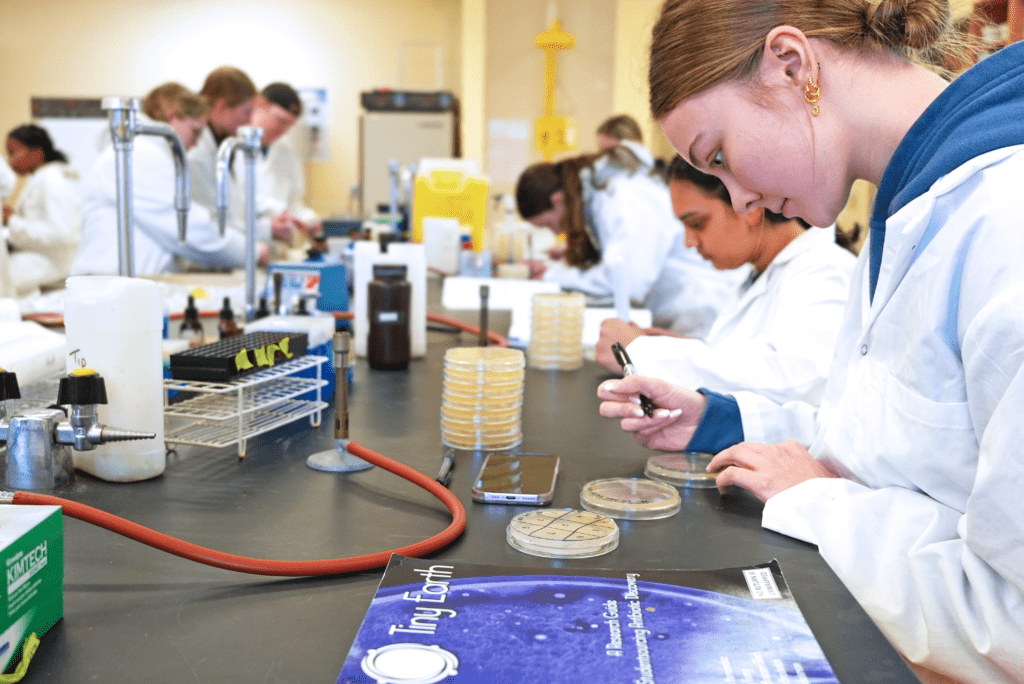
The College of Biological Science is Canada’s only faculty dedicated solely to biological sciences, exploring life from DNA to ecosystems. Source: University of Guelph
Human Health and Nutritional Sciences students, meanwhile, contribute to real clinical research through the Human Nutraceutical Research Unit, designing their own functional food products in their third year, ranging from fortified recovery chocolates to dissolvable powders that support focus in neurodivergent children.
Human Kinetics students take it a step further by working directly with varsity athletes after completing their Introduction to Athletic Therapy course. They show up to practices and games ready to respond to real injuries, such as sprains and fractures.
No matter which programme you choose, fourth-year independent research projects let you design and pursue your own questions in faculty labs — so you graduate with genuine scientific experience.
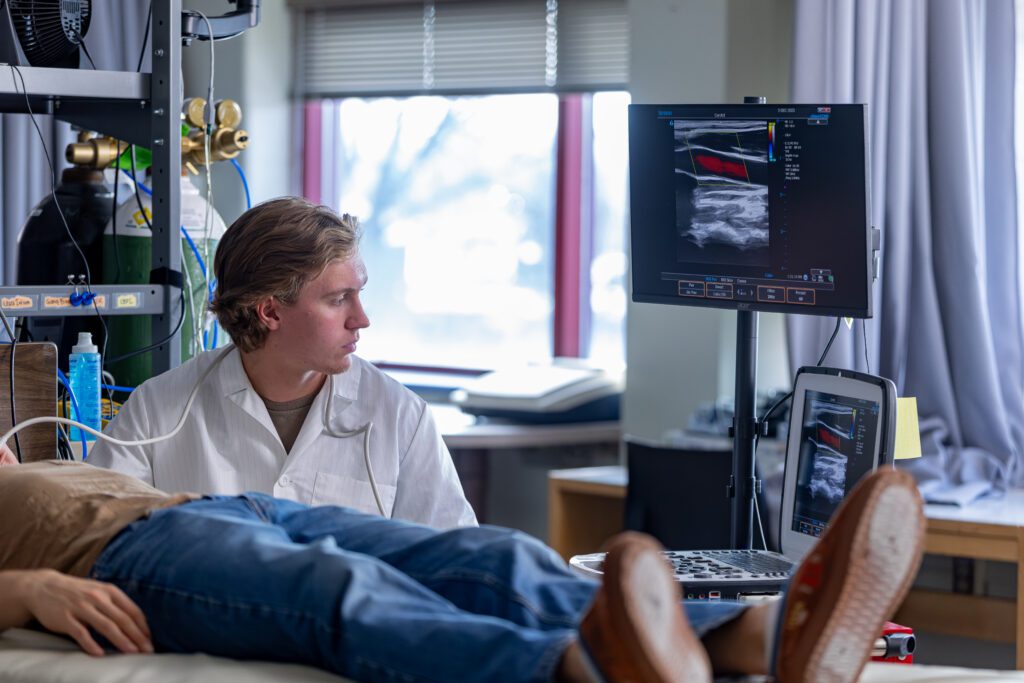
U of G is among the top 150 universities for Life Sciences in the world (2026 Times Higher Education World University Rankings). Source: University of Guelph
Turn your co-op into a career head start
Most majors offer a co-op version with four paid work terms. This means you can gain relevant exposure and build a professional network before you graduate. The university supports you along the way, helping with job searching, resume writing, cover letters, and interview preparation.
Through the Microbiology and Immunology Co-op programme, Kaur completed three placements across quality control, laboratory, and research and development roles. “I developed advanced technical skills and gained hands-on experience with industry-standard laboratory techniques,” she says. “I also deepened my understanding of Health Canada guidelines and regulatory compliance.”
Those skills carried directly into her current role, where she performs microbiology quality-control tests.
Kaur’s journey reflects the range of opportunities available to co-op students. You could find yourself conducting research, working in clinical settings, or analysing food samples, in laboratories, hospitals, production floors, and offices, across government, academia, and the private sector.
Learn more about studying biological sciences at the University of Guelph.