


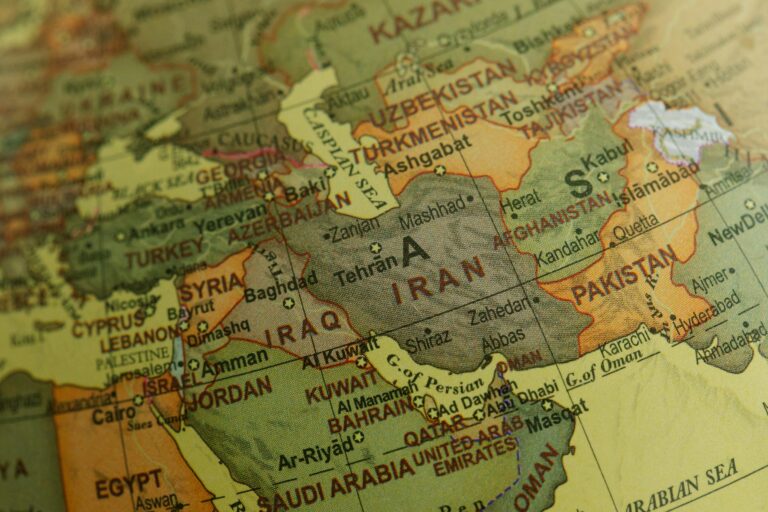


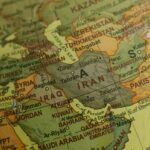
Amidst coordinated US and Israeli strikes on Iran, retaliatory attacks, and airport closures, life for the majority of international students seems to go on as usual – unless they’re from the Middle East or studying in the region.
But don’t be mistaken. Especially for international students, this isn’t just some distant news cycle. It’s a matter of their education, their future career, and their lives.
It has always been about politics
Before studying in the US, I thought of myself as apolitical. Not by choice, necessarily, but out of ignorance. I simply didn’t know enough to warrant a strong, actionable opinions.
But even though I didn’t attend any classes on politics, politics found its way to me. It was there when I studied literature, learning how poets’ ideals informed their art, and how that art influenced others. It certainly came up when my Uber driver wore his discomfort clearly on his face until I explained I was just an international student who would soon return to her home country. We were all forced to confront it when a ROTC student in our cross-cultural journalism class argued Islam was a religion formed only by extremists.
Our existence, especially as international students, is inherently political in nature. How can it not be, when our status in the country is so intertwined with the government and its public policy?
Even when I thought I was apolitical before, I wasn’t really. I understood the value of an American education. I was aware that an American degree would empower me back home in Malaysia. And I knew about the benefits of being neutral geographically and diplomatically as a Malaysian, unlike a Chinese or Russian student.
When you choose to study abroad, that already signs you up to be involved in geopolitics.
And now, with all the conflict going on in the world, international education is more political than ever. So if you’re a prospective international student, you unfortunately cannot avoid thinking about current events.
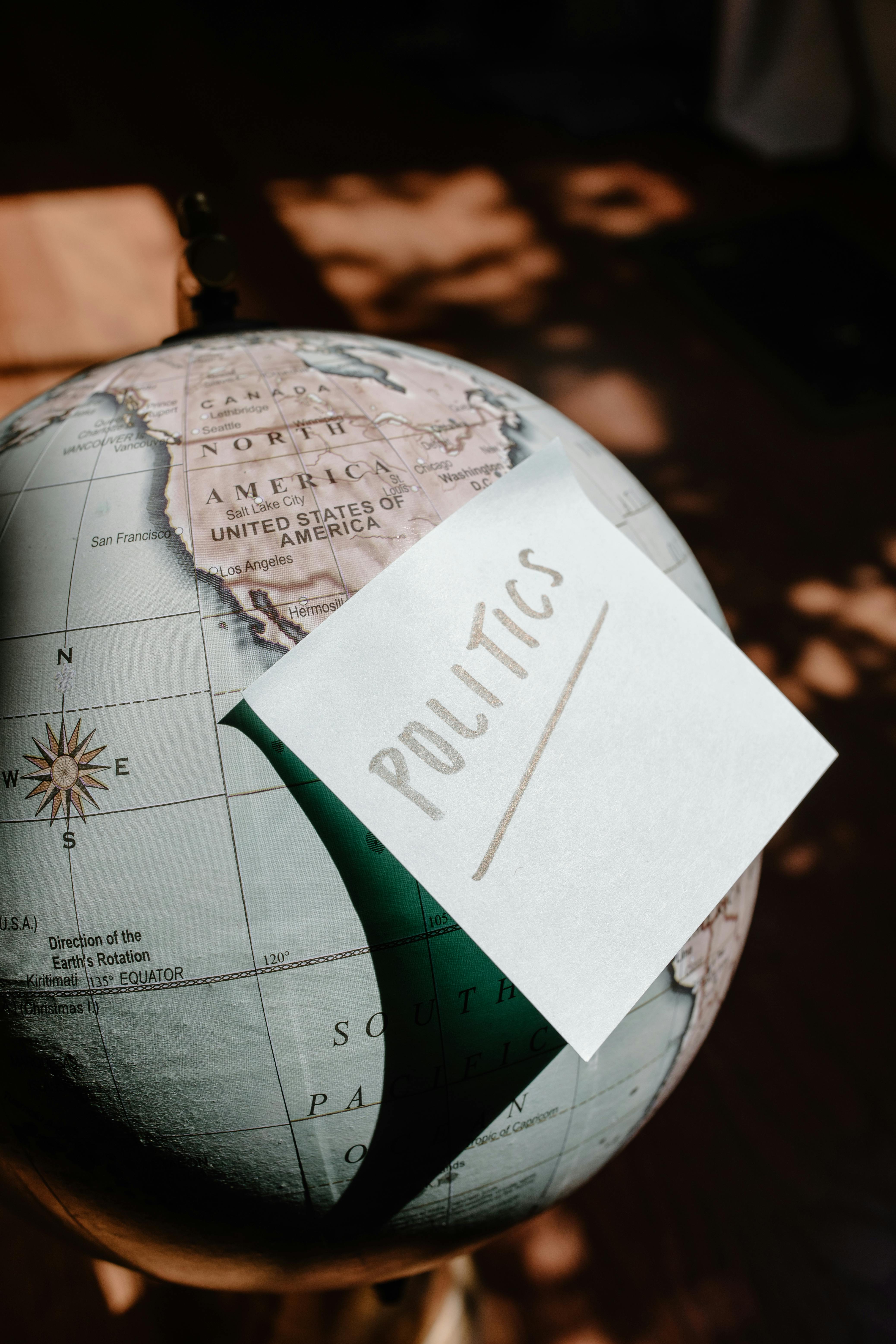
Being an international student is arguably a political act by nature. Source: Tara Winstead via Pexels
How international conflicts are affecting international education
Safety has always been a concern for international students. And right now, that concern is definitely warranted.
After all, safety and travel advisories are shifting dramatically. Countries like the US are warning citizens not to travel to Iran due to risks of terrorism, unrest, kidnapping, and wrongful detention, and advises Americans in the country to leave immediately.
Similar warnings have been issued by other governments. For prospective explorers considering Middle Eastern programmes, such advisories shape what’s possible and safe.
Even Malaysians who chose to stay have been formally warned by their government about risks and urged to reconsider their plans. That doesn’t just affect tourism — it affects academic choices, research placements, internships, and long-term career goals.
Even if you don’t plan to go anywhere near the Middle East, these tensions affect global mobility more broadly. International students who need to traverse that air space know just how nerve-wracking it is to watch helplessly as travel routes get rerouted or even cancelled entirely as airlines avoid conflict zones.
Flight disruptions make certain study-abroad destinations more expensive and less accessible, particularly for students paying out-of-pocket.
Speaking of which, the current unrest will also bleed into your financial planning. Rising energy prices, inflation pressures, and market volatility influence scholarship availability, the cost of airfare, and still-higher tuition commuting costs.
Universities facing budget issues might reduce funding or delay programme launches. Conversely, some institutions might expand remote or hybrid offerings to buffer against uncertainty.
Due to uncertainties, there might be issues with visa backlogs, funding barriers, and diplomatic restrictions can significantly narrow pathways to study in otherwise welcoming countries.
While global politics and conflicts are causing many uncertainties, the truth is that unrest within countries themselves is also a big concern, especially in an increasingly polarised world.
When I went to the US, it was during Trump’s first administration. At the time, it was already quite concerning – as an international student, I wasn’t sure if his social conservatism was a representation of Missouri (a red state) and how I would be treated.
Now in 2026, though, things seem to be more dire than before when it comes to discrimination based on skin colour and race. ICE raids and hate crimes appear to be a norm nowadays. I’m not sure if I would still choose to study abroad in the US in this current climate.
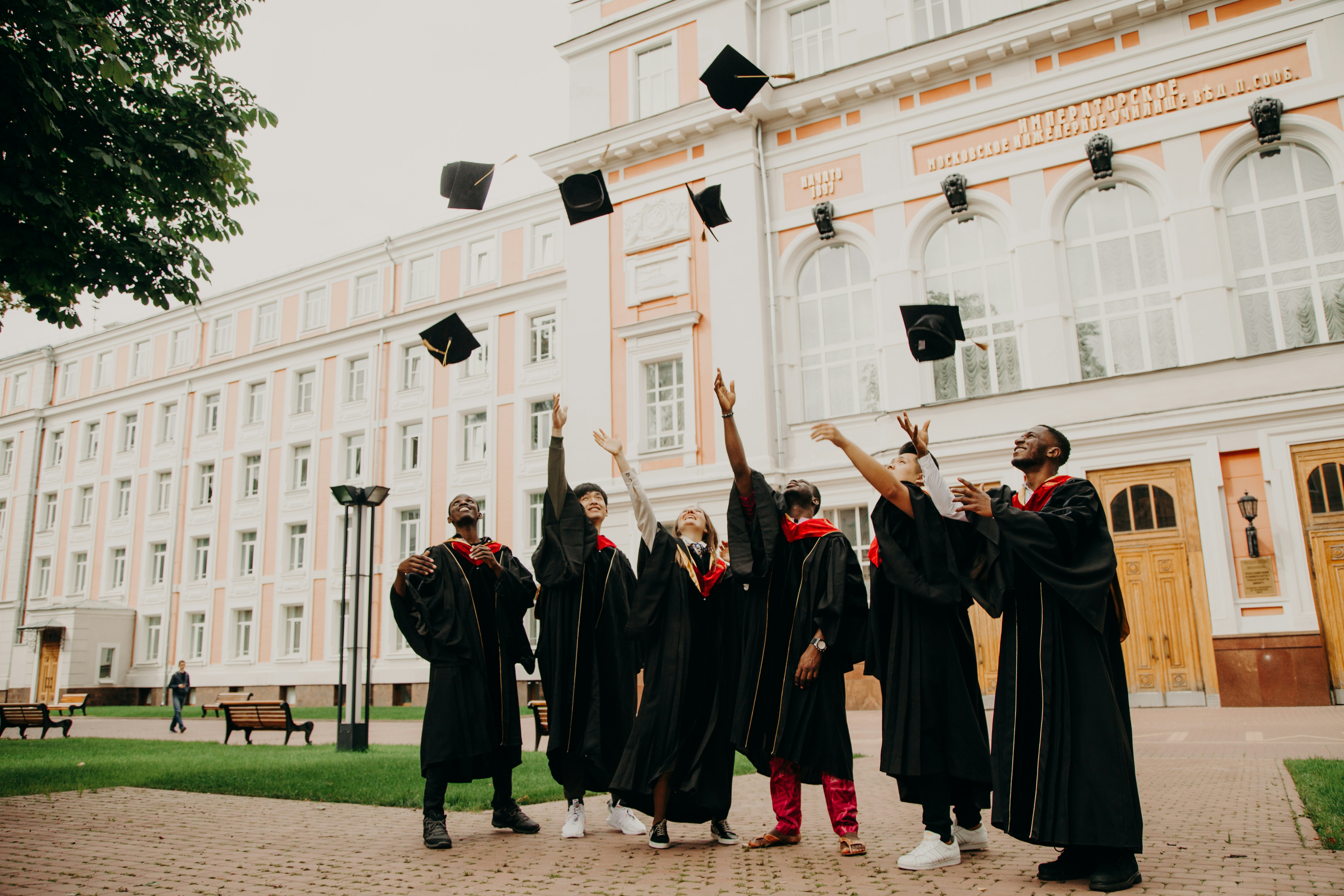
The politics of studying abroad doesn’t end at graduation. Source: RUT MIIT via Unsplash
What comes after your education?
Beyond the time abroad, it’s what comes after that also matters deeply. Given the climate, how would that degree be valued in various countries?
Degrees do not exist in a vacuum. A qualification from a university in a politically contentious country may face added scrutiny in certain job markets. Employers might worry about accreditation recognition, research partnerships, or even the optics of association.
While top institutions often maintain global prestige, mid-tier universities can be more vulnerable to reputational shifts driven by diplomatic strain.
There is also the question of mobility. If relations between two countries deteriorate, graduates may find it harder to work across borders, obtain professional licensing, or transfer credentials. For students planning international careers, this uncertainty cannot be ignored.
At the same time, geopolitical complexity can enhance a degree’s value. Studying in politically sensitive regions can signal resilience, cultural fluency, and firsthand understanding of global affairs.
For those thinking about study abroad options, it’s no longer enough to just look at rankings and cost. Rather, it’s important to think about where global fault lines run, how governments might respond, and whether you’re prepared for the unpredictable side of global learning.
Popular stories
UK graduate returns with one goal: to make menopause less painful for Asian women
Long before the Israel-Iran war, this MBA grad saw the UAE’s food fragility — and built an answer

US, Iran & the geopolitics students can’t ignore: How global tensions shape study abroad choices
‘AI is like surfing’: A female leader’s 3 key advice to make it in a trillion-dollar industry