




Alina, originally from Norway, knew exactly what she wanted when looking for a place to study medicine. She was seeking a programme taught in English and a university where international students would feel genuinely welcome. “It was important to me to study somewhere that did not feel too big or impersonal,” she says.
That search led her to the University of Rzeszów in southeastern Poland, and what she found there was more than she expected. “When I learned more about the programme, it seemed like a place where students are genuinely supported and not just seen as numbers, and that smaller, more individual approach really appealed to me,” she says.
Rzeszów in southeastern Poland is one of the country’s most dynamic and fastest-growing cities. Designated the European City of Sport 2026, the city has earned recognition that extends well beyond Poland’s borders — a status further cemented by the latest Business Insider Polska ranking, which named it the best city to live in Poland.
Within this setting, the University of Rzeszów’s Faculty of Medicine stands out for track record of training both Polish and international students. The Medicine Programme in English was established in 2018 to meet the growing demand for medical studies in English and to prepare healthcare professionals for a globalised world. Spanning six years, the programme is led by experienced doctors and academic staff who focus on evidence-based medicine.
The curriculum has evolved deliberately along the years. “It has become more structured, better organised, and more student-focused, with clear improvements in teaching and clinical training,” says a fifth-year student from Poland.
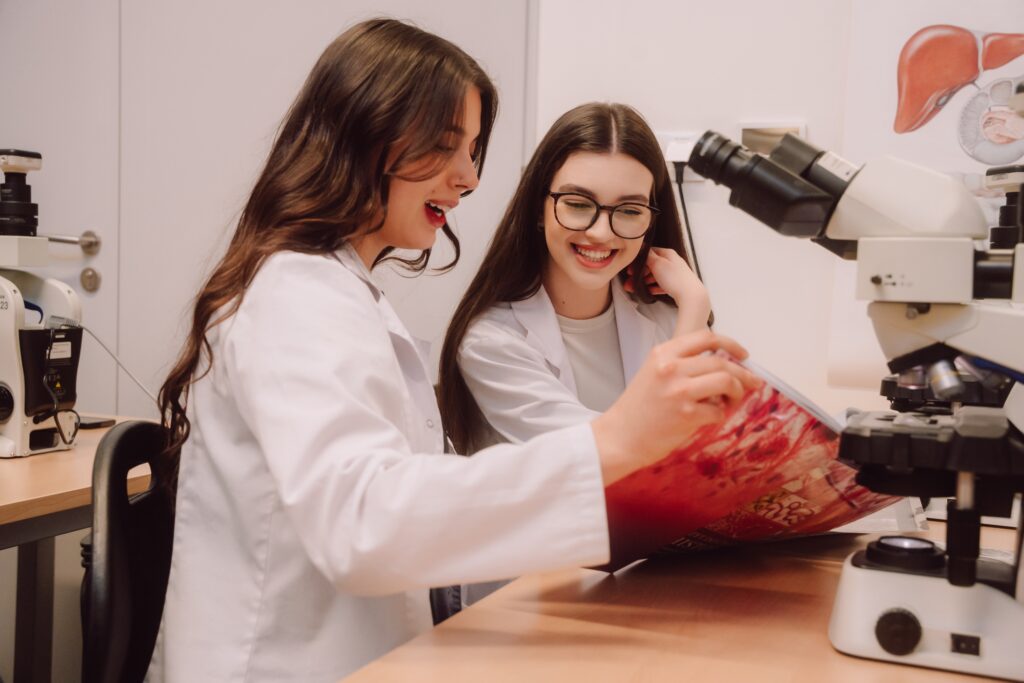
The University of Rzeszów’s English Medicine Programme trains students in evidence-based medicine, research, early clinical practice, and essential professional and interpersonal skills. Source: University of Rzeszów
What sets the programme apart is not one single feature but a combination of several factors. Together, they create an environment where you can genuinely develop the knowledge and confidence you need as a future doctor.
One of the most distinctive qualities is the personalised approach to education. Faculty members are approachable and consistently accessible, which means you can ask questions while getting the guidance you need and feel supported throughout your studies, both academically and personally. That culture of openness makes a real difference, especially during the more demanding years of the programme.
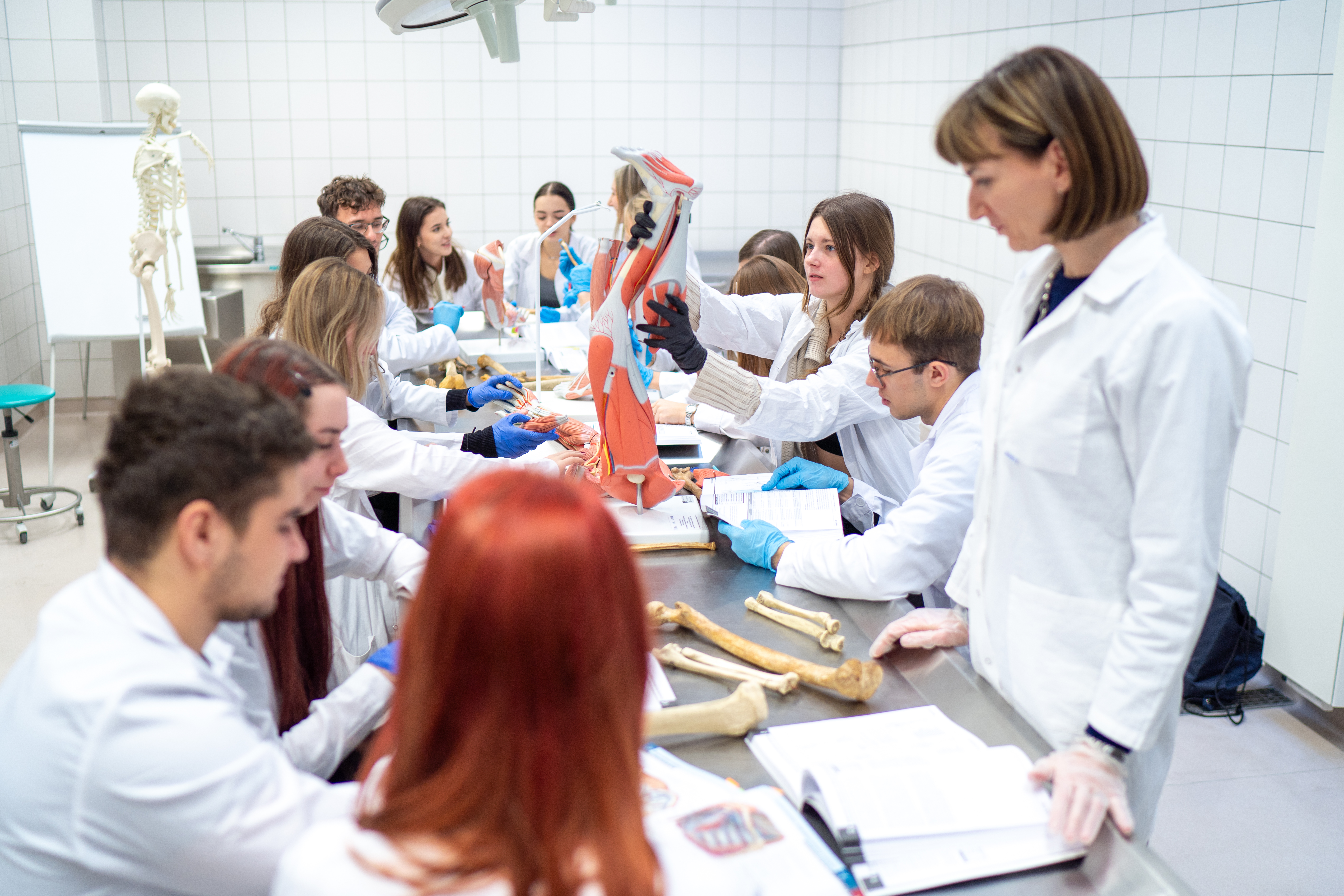
This kind of attention is made possible partly because of small teaching groups. Lab groups typically consist of just four to five people, which is significant in medical education, where many subjects require hands-on practical training. Working in smaller groups means you actively participate in every class and perform procedures directly, rather than watching from the back of a room. Alina has seen the difference this makes firsthand.
“It makes the learning experience more interactive and gives students more opportunities to ask questions, stay engaged, and better understand the material,” she says. “It also allows for more direct feedback and closer guidance from instructors, especially during practical and clinical training. Over time, this has really helped me build confidence and develop a deeper understanding of medical practice.”
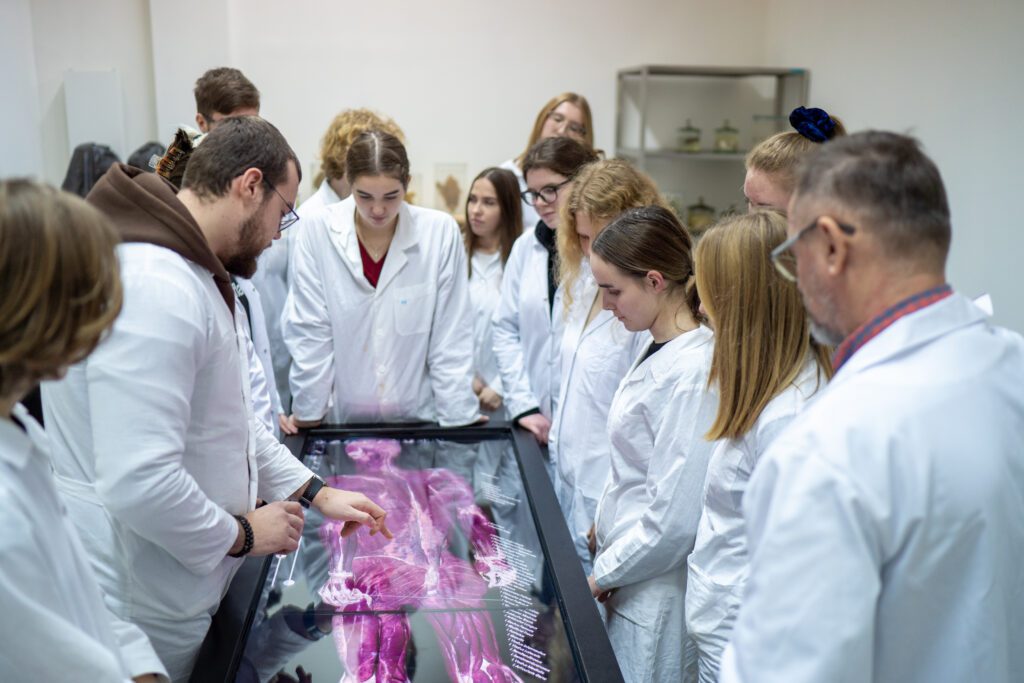
Students examine, diagnose, treat, and manage patients, including prescribing medications and performing procedures. Source: University of Rzeszów
This hands-on learning is supported by the university’s facilities. Students benefit from many laboratories, well-equipped anatomy rooms, and clinical training opportunities that begin early in the programme. For Daniel Roshan, a second-year student from India, the infrastructure was one of the main reasons he chose Rzeszów. “The modern medical infrastructure that is available in this university was one of the biggest reasons I chose to study here,” he says. “The anatomy labs and many other subjects had equipment and facilities that were advanced.”
Experiences are key to the programme, which Daniel appreciates. “There are great cadavers and specimens to study on in the anatomy labs and high-quality microscopic slides in the histology labs, which makes it more interesting,” he says. “Basic first aid is also taught very well, allowing us to use necessary equipment like IV cannulas and CPR simulators for better understanding.”
Each summer, you get to complete clinical internships where you interact with real patients and work alongside healthcare professionals. This early exposure helps you apply what you have learned in the classroom to actual clinical settings, building the kind of confidence that is difficult to develop any other way. Getting that time with patients early in your training means that by the time you reach your later years, you are not starting from scratch in clinical environments.
Throughout all of this, faculty members remain available to support students academically and professionally. “They are willing to clear all doubts regarding subjects and provide further opportunities to improve our skills and knowledge,” Daniel says. “The senior students are also very supportive and helpful with their juniors.”
By the time you earn the degree, you will hold a globally recognised qualification that opens doors across Europe and well beyond, including in the US, UK, and Canada. Graduates go on to work in hospitals, clinics, research institutions, and public health organisations, or continue onto specialising.
Learn more about the Medicine Programme in English.
Follow Medicine, Programme in English on Facebook, Instagram and LinkedIn