



Before Vilashini Saravanan became an advocate for better menopause care, she first worked as a hospital pharmacist.
Then, everything was still old school, done with pen and paper. At that time, she’d joked that pharmacists have a special power: to read handwriting no one else can.
She gets it. Doctors were rushing nonstop, too busy to write well. But she also knew going digital could fix a lot of this.
And electronic medical records did sound great… but she saw doctors and nurses freak out about having to change their routines.
But Saravanan saw the advantages – fewer mistakes, cleaner data, and a more secure recordkeeping system as opposed to having towers and towers of folders.
Then COVID happened, telehealth exploded, and suddenly everyone realised technology isn’t a nice-to-have anymore, but a must-have.
This was the same time Saravanan felt her mental health slipping after two years in the hospital grind. She moved to a new role — engagement specialist role at GSK, a British multinational pharmaceutical and biotechnology company.
As someone who is “very into the pursuit of knowledge,” Saravanan sought another pivot: earning a master’s. Her interest in digital health never waned since her hospital days, so she eyed a master’s in this field and in top UK universities like Warrick, Bristol, and Oxford.
But first, Saravanan needed a scholarship.
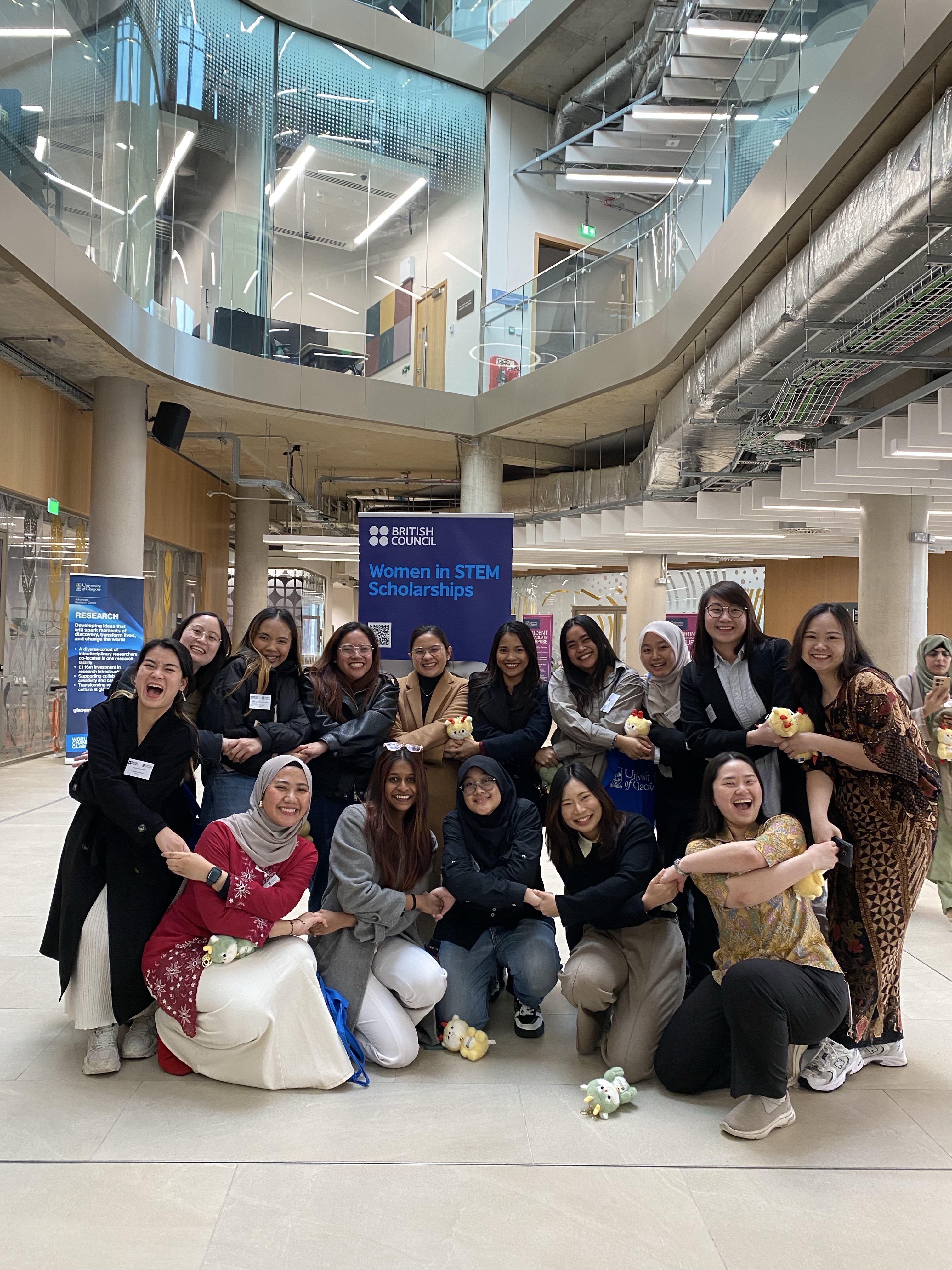
Saravanan was chosen for the British Council Women in STEM scholarship. Source: Vilashini Saravanan
The importance of a scholarship
With her mind set, Saravanan began preparing for Chevening, the highly competitive, prestigious, and fully-funded scholarship programme for international students to study in the UK. Given how intensive the application process can be, Saravanan gave herself a year and began connecting with numerous Chevening alumni to gather more intel.
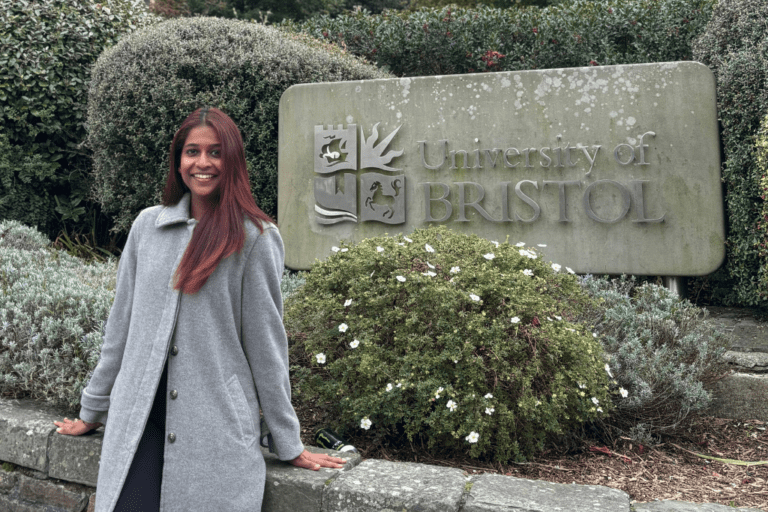
One day, someone asked if she had heard of the British Council Women in STEM Scholarship. At the time, it was a completely foreign programme to her. But she applied and she got into the University of Bristol’s MSc in Digital Health.
Similar to Chevening, the British Council Women in STEM scholarship is a fully funded scholarship, covering things such as NHS fees, flight tickets, and visa fees.
“They support you through and through, and they always have an ambassador there at the university that you can speak to,” she says.
All of this matters. Saravanan had seen how much pressure self‑funded students were under, which can get in the way of their education and mental load.
Delving into digital health
At Bristol, she jumped straight into the deep end of tech: coding in Python, learning engineering concepts, building skills most digital‑health teams lacked.
Even though Saravanan wasn’t sure where her master’s will lead her, she kept telling herself: someone needs to bridge healthcare and tech in Malaysia. Why not me?
And as she says, women need to listen to their gut, not the noise. Once you know what you want, the world can’t talk you out of it.
“Don’t care about what other people think,” she says.
Zeroing in on women’s health
Saravanan never sought out to explore women’s health – until a LinkedIn post announcing her background and interests got the attention of Menopause Asia, a startup launched just last year in October 2025.
They focus on perimenopause and menopause through telehealth, connecting women to doctors who actually understand how different women’s bodies work.
Perimenopause is the transitional, often symptomatic phase (typically lasting two to 10 years) before menstruation stops, marked by fluctuating estrogen and irregular periods. Meanwhile, menopause is the final diagnosis after 12 consecutive months without a period.
“Lots of stuff happen in our physiology,” Saravanan explains. “How a heart attack presents in women – because of our loss of progesterone and estrogen — are different.”
And yet most drug research still use male bodies because female hormones and menstrual systems make their bodies seem “too complicated.”
Then those same drugs – tested on men – are then prescribed to women who then get hit with side effects or unexpected reactions.
“I understand everything comes down to dollars and cents, you’re trying to get a drug out and you want to use the money that you have to get the drug out as quickly as possible,” she says. “But in this day and age, come on.”
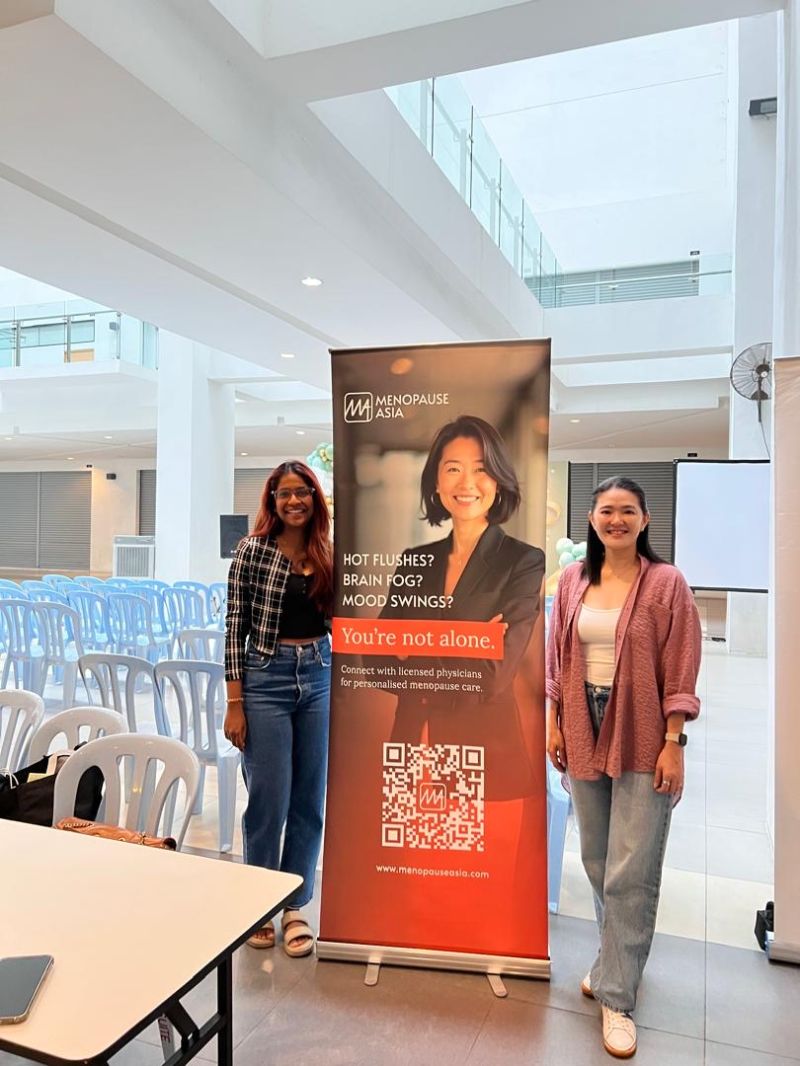
Saravanan is currently the Digital Health & Program Lead at Menopause Asia. Source: Vilashini Saravanan
The rise of femtech
There are some improvements. There are female-led efforts such as Menopause Asia, seeking to right such imbalances in research. More women doctors are becoming board certified and advocating for issues like menopause, perimenopause, and PCOS, breaking down decades of misunderstanding and taboos.
Thanks to those efforts, middle-aged women learning more and doing more for their health. With increased body literacy, these women won’t be gaslit by doctors anymore.
“The minute you show people there’s a market for it, that’s when people are going to take things seriously,” Saravana says.
The next big challenge is access.
Right now, those without money or insurance cannot afford proper menopause care.
Saravanan wants to change that through Menopause Asia. And she’s starting by planting strong roots for the nascent startup today, so more women can access menopause care in the future.
Popular stories
‘AI is like surfing’: A female leader’s 3 key advice to make it in a trillion-dollar industry

Join the future of agriculture at the University of Georgia

University of Chester: Empowering the next generation of health professionals
How to find a roommate abroad: 3 red flags you seriously don’t want to ignore

You might like