

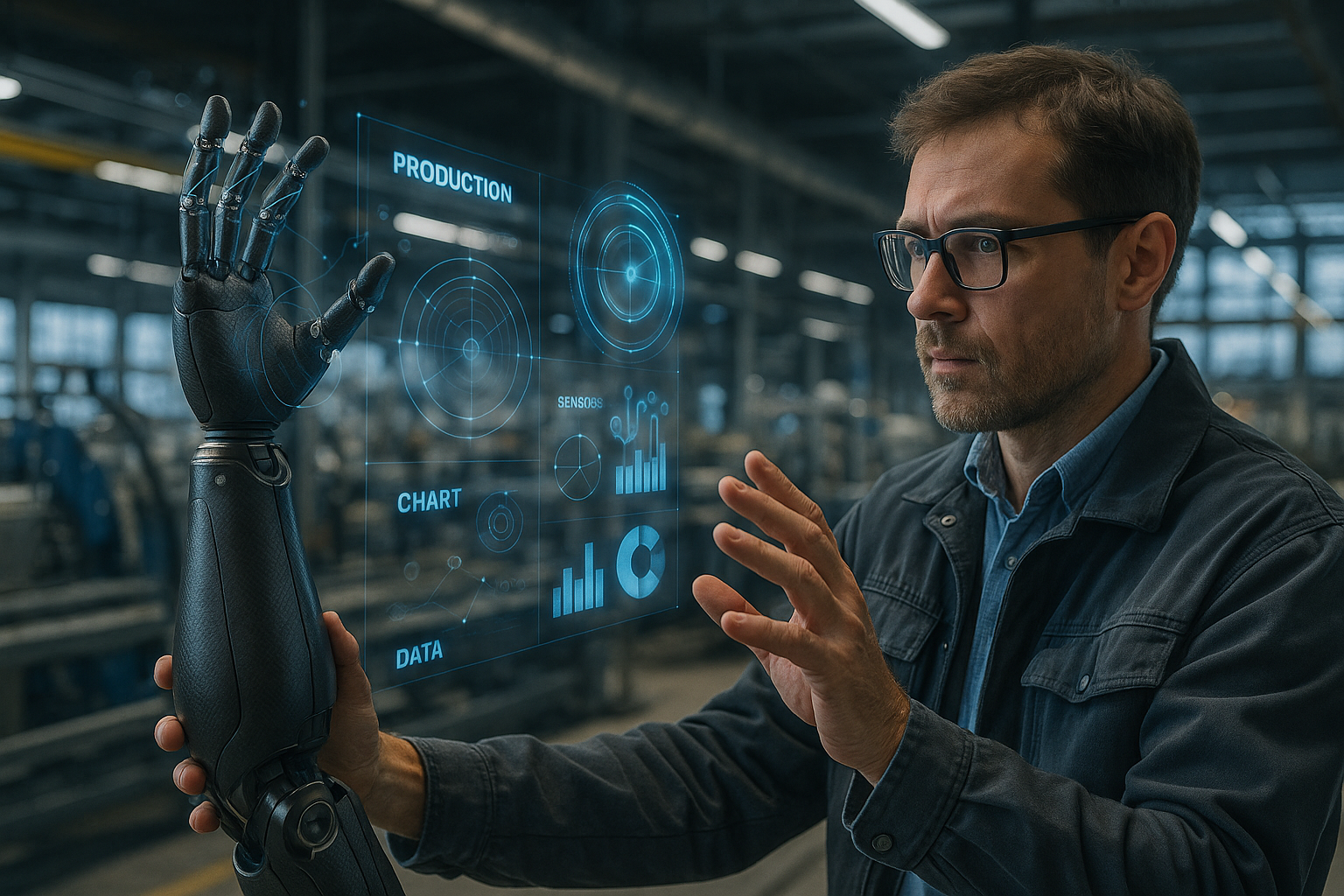


At Southern Methodist University (SMU), researchers are exploring how digital twins and AI can help engineers verify aircraft inspections and identify potential errors. This is just one example of how the Carnegie R1-designated top-tier research university in Dallas is keeping pace with how technology is reshaping manufacturing and creating new opportunities.
But understanding technology is only part of the picture. To turn new ideas into practical improvements, you also need business knowledge and leadership skills. SMU’s Master of Science in Manufacturing Leadership and Innovation brings these areas together through a curriculum focused on real-world challenges. Offered by the Department of Mechanical Engineering at the Lyle School of Engineering, the programme prepares professionals to elevate operations and take on greater leadership responsibilities.
Within six months of graduation, 100% of MS in Manufacturing Leadership and Innovation graduates were employed full-time, according to SMU’s Career Outcomes Dashboard. In 2024, graduates reported an average starting salary of US$106,666.
For Francisco Castaneda, a full-time engineer at Lockheed Martin, this was a powerful draw. He wanted to expand his knowledge while balancing his career and life commitments. Thanks to the MS programme, he could. As he continued working, he could apply what he learned in the classroom immediately to real challenges at work.
“The coursework has inspired new ideas that I’ve been able to apply directly to my work, particularly in digital manufacturing transformation, process improvement, and technology adoption,” he says. “From helping implement new manufacturing planning capabilities to developing training resources and exploring AI-driven solutions, I’ve had opportunities to translate classroom concepts into practical initiatives that improve efficiency, support our workforce, and deliver value to Lockheed Martin.”

Source: Southern Methodist University
The programme has broadened Francisco Castaneda’s perspective beyond engineering, strengthening his skills in innovation, strategy, and leadership. Source: Southern Methodist University
A programme built around real manufacturing challenges
Developed in consultation with business leaders, industry experts, and manufacturing professionals, the MS programme fuses the latest technological developments with the management skills you’ll need. Its interdisciplinary approach prepares you to lead the entire product commercialisation process, from concept and design through manufacturing process development, production, and distribution.
The programme comprises eight core courses that cover the full spectrum of modern manufacturing. You’ll start with the fundamentals of strategy before moving into entrepreneurship and business development. From there, you’ll explore innovation management and finance for manufacturing enterprises.
Examples of electives include Advanced Manufacturing, Digital Twin Technology, and AI for Design and Manufacturing. These options let you focus on the technologies most relevant to your career goals.
Beyond gaining technical knowledge, you’ll learn to approach manufacturing challenges from different perspectives. Current student Michael Kaloust values this emphasis on practical problem-solving, particularly because workplace challenges rarely have one correct solution.
“Rather than simply learning a concept and memorising an answer, the courses encourage us to question assumptions, holistically think, and determine how we would actually apply these case studies/ideas to current real-world problems,” he says.
Experienced faculty members help bridge the gap between theory and practice. Each professor has at least 20 years of experience in their respective field, allowing them to draw on a deep range of industry examples when teaching complex concepts. You’ll also learn alongside working professionals from many different companies and countries. Their diverse experiences offer fresh perspectives on familiar problems and open up opportunities to learn even more from one another.
For Kaloust, this exchange of ideas is a major strength of the programme. “Working with other students and hearing different perspectives has helped me see problems in ways that I may not have considered on my own,” he says.

Michael Kaloust values how the MS programme builds leadership and problem-solving skills beyond the classroom. Source: Southern Methodist University
Flexible learning that fits your career and life
You don’t have to put your career on hold to advance your education. The MS is designed for working professionals who want to develop their skills while continuing to gain industry experience.
To accommodate professional and personal commitments, the programme offers a flexible schedule. Monday evening lectures are recorded, allowing you to revisit the material at a time that suits you. Saturday morning sessions provide opportunities to discuss manufacturing challenges with professors and classmates, helping you connect classroom learning with real-world problems at work.
For Lauren E. Coleman, a current student and ERP business analyst at Lockheed Martin, this flexibility has made it possible to pursue a master’s degree. “SMU’s flexible cohort structure, practical assignment deadlines, and support for off-campus learning have made balancing my role as a full-time working parent while advancing my degree an attainable goal I never thought possible,” she says.
Learn more about the Master of Science in Manufacturing Leadership and Innovation.
Follow Lyle School of Engineering on Facebook, X, Instagram, LinkedIn, and YouTube