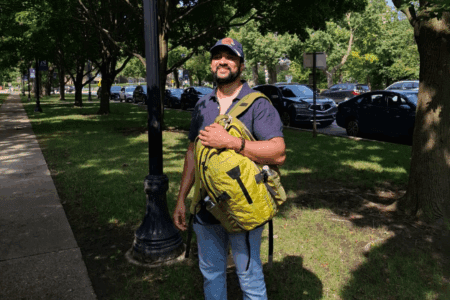



A 9-to-5 job isn’t exactly what Gen Z is looking for.
They’d rather take on a freelance job or a position that offers flexibility and a good work-life balance — even if it means earning less than a traditional job. They want to take more control over their personal development and career path.
Besides, having a 9-to-5 job means you can’t just pack up and jet off to whatever country you want. You’d have to strategically plan your time, as well as sacrifice your already limited time off.
However, what if we told you that there are degrees, specifically PhD degrees, that can put you on a path where you can travel the world and avoid a 9-to-5 job?

8 PhD degrees that will let you travel the world
PhD in Astronomy
When studying everything beyond our atmosphere, you’ll often find yourself having to travel the world. Anitha Raj, an Indian PhD candidate in Astronomy at the University of Atacama, Chile, gets to do just that.
“If you’re pursuing PhD degrees in astronomy, at least once in your life, you’ll have to set foot in Chile for observations,” Raj shares. “You’d also get to travel to other countries such as South Africa, Australia, and Germany.”
She even had the opportunity to complete an internship at the European Southern Observatory in Germany. The majority of Chile’s observatories are managed by the ESO, whose headquarters are based in Germany.
Raj had the opportunity to meet the individuals who worked on designing and building the observatories she frequents in Chile — and to her, it’s incredible and crazy.
PhD in Primatology
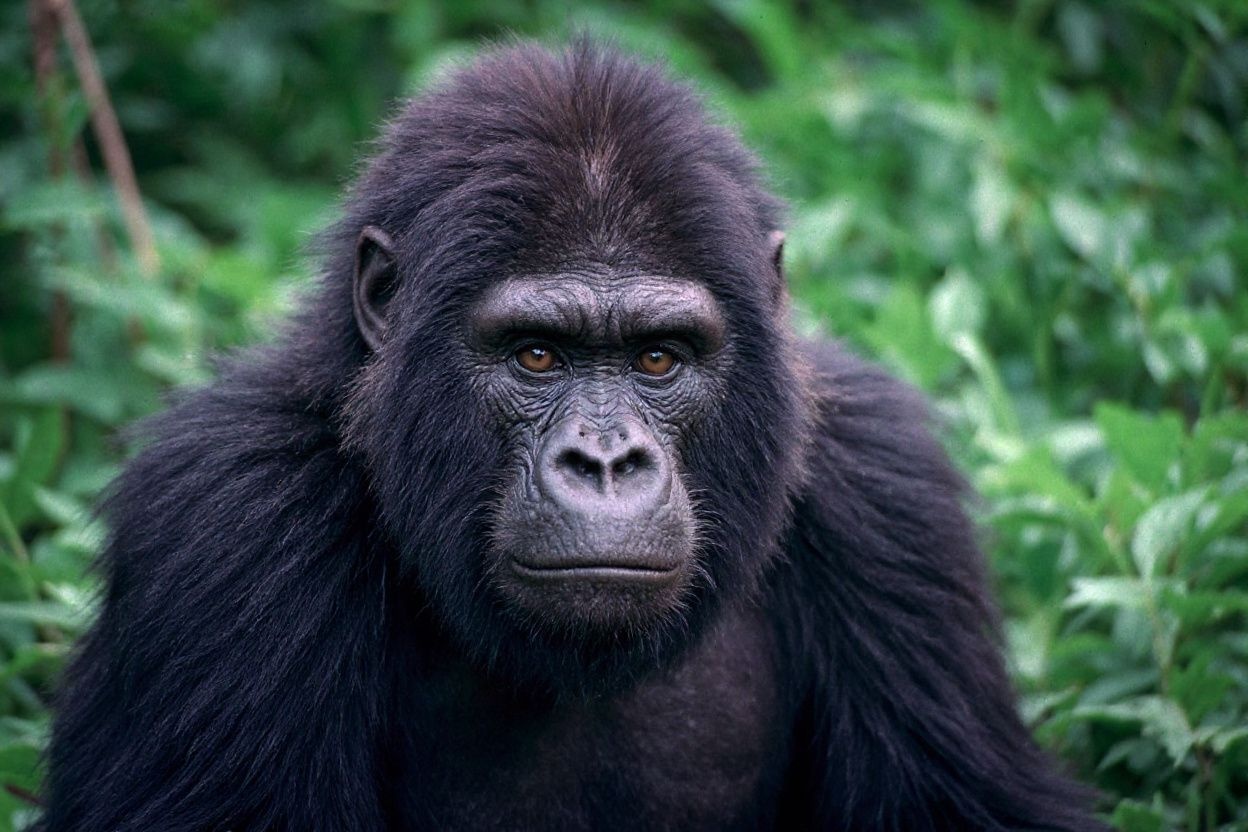
Japan, Vietnam, and India are among the few countries Brenda de Groot gets to travel to as part of her PhD in Primatology.
“I remember hearing one of the earliest Japanese primatologists say, ‘Just go into the forest and watch the langurs,’” Brenda recalls, laughing. So she did.
Brenda spent some time in a rescue centre in Vietnam, where she studied groups of semi-wild langurs up close.
Recently, she spent 10 days in India to participate in a CIFAR Future Flourishing group for a workshop on multispecies society. Brenda and the rest of the team stayed at the Valparai plateau, surrounded by rainforest and a variety of wild animals.
 PhD in Egyptology
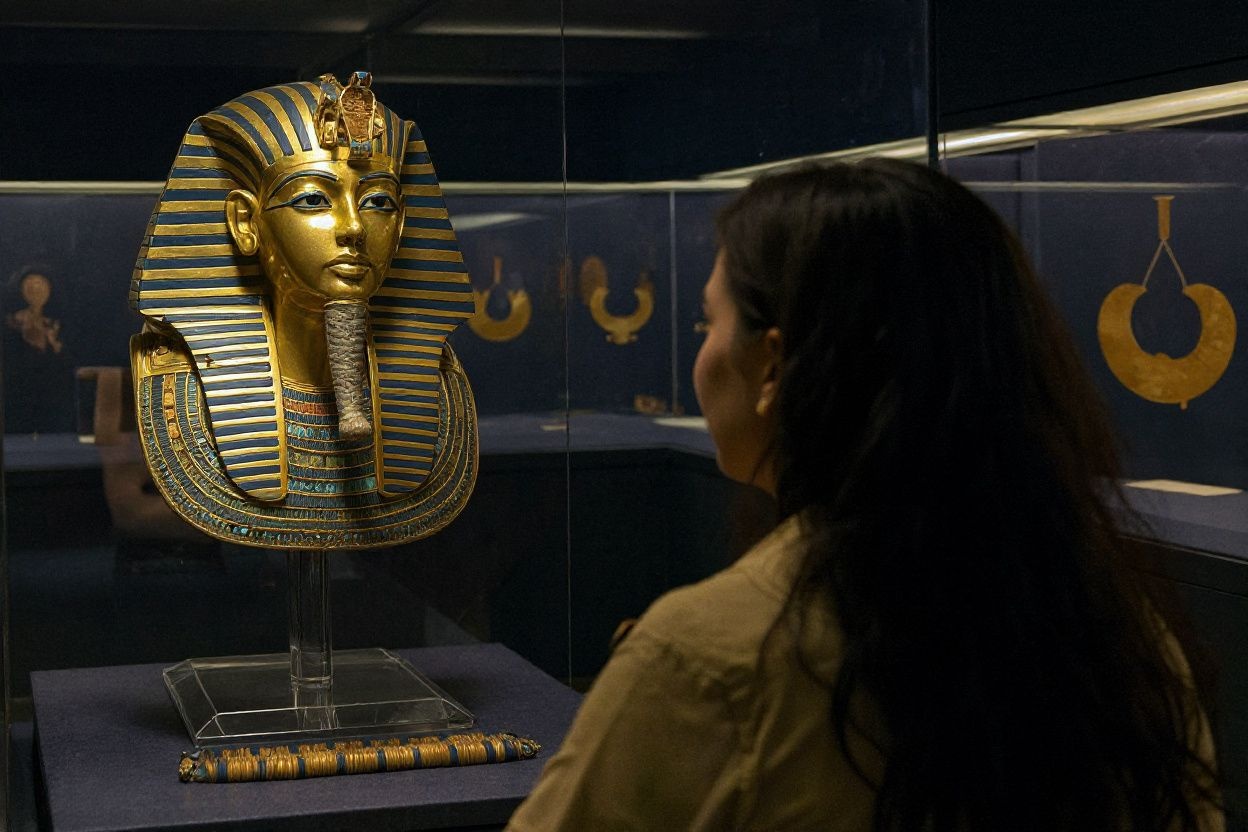
While pursuing a PhD in Egyptology will only keep you in — well, Egypt — this PhD degree can be a way for you to explore the unexplored or even work as a professor anywhere around the world, just like Dr. Marina Escolano-Poveda.
No 9-to-5 job… horrah.
“I’m originally from Spain, and I’m currently a senior lecturer in Classics, Ancient History, and Egyptology at the University of Liverpool,” Dr. Escolano-Poveda shares. “Before that, I completed my undergrad and master’s in Spain; however, I did my PhD degree at The Johns Hopkins University.”
Egyptology is underrepresented in Spain, so pursuing an Egyptology degree abroad was the only option. That’s not all; Dr. Escolano-Poveda spent some time abroad working at an archaeological excavation site in Egypt.
“I went as an artist, and I worked with all these drawings that were made in the past,” she shares. “I was only 20, and it was my first time abroad, and it was a very fun job as you get to experience a new culture and live with other people.”
Dr. Escolano-Poveda lived with a family of Egyptian farmers in a place where tourists don’t visit, and she got to experience life there like a local — and to her, it was like a dream come true.
PhD in Archaeology
If you’re pursuing a PhD degree in Archaeology, you’ve got to make sure your passport isn’t expired. Why? Well, you’ll be travelling the world a thing, especially to places no one can go.
Just ask Kim Jinoh.
“I get to visit foreign countries for academic conferences or excavations,” he shares. “And because of my PhD, I got to participate in an excavation in a village in Germany that’s surrounded by Swiss territory. I even stayed in a farmer’s house and got to walk across a medieval bridge connecting both countries.”
That’s not all; Kim participated in an excavation in rural Russia.
“It was a very remote place, a region called the Tuvan People’s Republic,” Kim says. “It’s by the border of Mongolia, and it’s the remotest yet interesting place I’ve ever visited.”
However, due to its remote location, he and his cohorts had to camp out in the wilderness with no electricity. They had to dig up an underground cellar to store their food and even set up their own tent.
PhD in Palaeontology
The best part about getting a PhD in Palaeontology? A 9-to-5 job isn’t a must. If you choose to be a research scientist or palaeontologist, then being in the field will be at least 50% of your job.
Dinosaur fossils have been found on every continent — China, the US, Canada, Argentina, Mongolia, South Africa, India, Brazil, France, Germany, Spain, and the UK. Oh, even Antarctica.
Palaeontologist Mike Hynes is one of the few who gets to travel the world as part of his PhD degree.
“I’m researching ancient corals, and I’ve travelled to Indonesia for dives as part of my research,” he shares.

PhD in Earth Science
Grace Kinney Broderick, a PhD candidate in Earth Science, participated in her first dig in the Badlands of Wyoming. While it may not have been a trip abroad, she wasn’t cooped up behind a desk from 9-to-5.
It was during her postgraduate degree that she had the opportunity to travel to the Sahara Desert in Niger for a month-long expedition.
Broderick has even travelled to Antarctica, South Africa, Ireland, Ecuador, and Thailand as part of her degree. That’s not all; she has travelled extensively throughout the US and UK to capture photos of birds.
PhD in Tsunami Engineering
Chasing tsunamis is scary, but for this PhD in Tsunami Engineering graduate, she’s running towards it — and for good reason.
“It’s because it has taken so many lives,” Elisa Lahcene says. “And that gives me more motivation to work toward preventing this natural disaster from taking more.”
Tsunamis are common in coastal regions, meaning you may have to be located somewhere close to one. But it will also mean that you’ll have to travel to other parts of the world to participate in research.
Elisa even had the opportunity to travel to the Maldives to participate in snorkelling trips.

PhD in Forest Environmental Science, Geology
Hiking up volcanoes in Italy’s Aeolian Islands, Papua New Guinea, Japan, and Indonesia is a thing for Adinda Peyra.
Volcanoes fascinated her so much that they brought her all around the world — specifically to countries in the Pacific Ring of Fire.
“We had the whole Indo-Pacific at our fingertips,” says Adinda, “I didn’t want to go somewhere normal; I wanted something different, something off the beaten track.”
People would head for the hill when it comes to volcanoes. Approximately 1,000 people die from volcanic activity per year, but for Adinda, it only fuels her goals.
“We are the first responders; we are the connection and the eyes and ears to the planet,” she says. “We can assist with community resilience and adaptability. By knowing how the earth behaves, we can then assist in providing that knowledge.”Not only does she get to travel the world and avoid a traditional 9-to-5 office job, but she also gets to apply her scientific knowledge of disaster management to help people around the world.
Popular stories
10 best countries to study engineering that aren’t the UK, US, or Australia
9 countries with some form of social media ban for children

MSc at Audencia Business School: Make a difference with your difference

How to apply for university in the world’s most popular study abroad countries

You might like