



Rokeebat Hammed has always been that student. The one who shares her notes, circulates study hacks, and quietly becomes an unofficial tutor to half the class. In secondary school, she was the friend you relied on to pass a class.
During her National Youth Service Corps (NYSC) year, a mandatory programme where young Nigerians serve the country, she was posted to a university. Again, she stepped into the role of academic guide: running webinars, coaching students through exams, and advising whenever she could.
“It has always been in me to just give back to that academic community,” she says.
But it wasn’t until she moved thousands of kilometres to the UK for a master’s degree that she saw her life’s mission crystallise.
Whilst completing a master’s in economics at University of York, she would guide people for campus tours and share her experiences with them. It made her excited to help another person make this leap.
“Education breaks down barriers, it breaks down any background limitation that you may have. It opens doors for you. It helps you see beyond what you think is possible,” says Hammed, who is now an assistant economist for the UK government. “Everybody should be able to access that door. And I’m willing to hold that door open for somebody else. It makes me really happy to do something like that.”
And her penchant for that was how her co-founder at EduFurther first reached out.
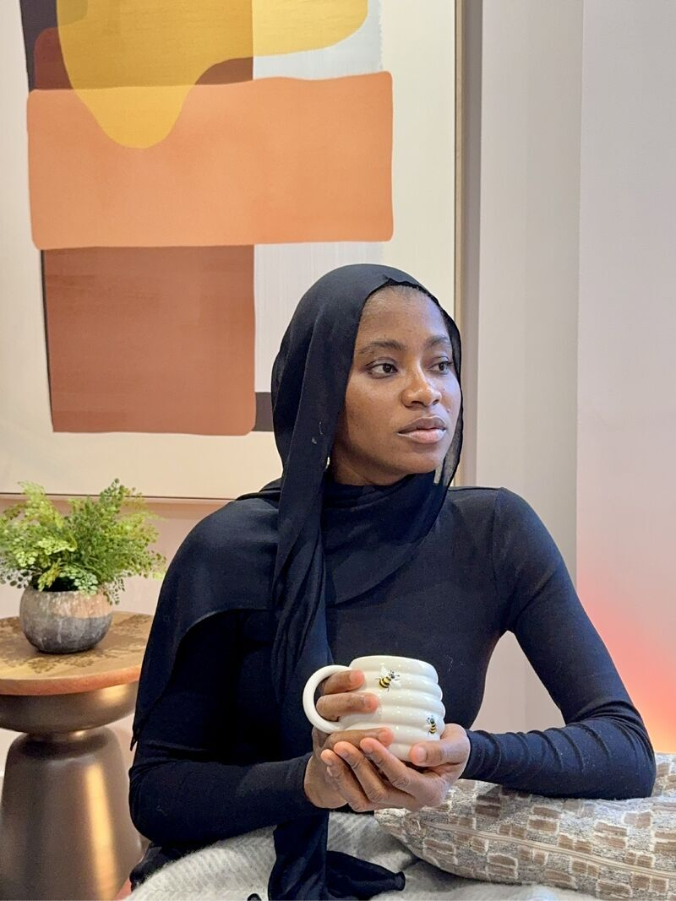
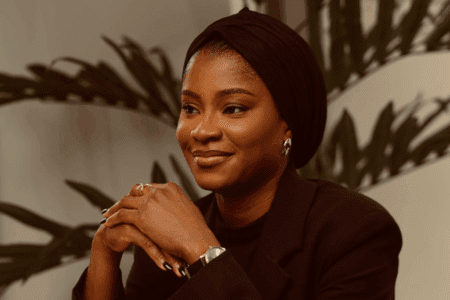
Hammed knows firsthand what needs to be improved with the education in Africa. Source: Rokeebat Hammed
The difference between Nigeria and the UK’s education systems
At this point, the contrasts between Nigeria and the UK’s education systems were starting to become starkly apparent to Hammed.
“In Nigeria, we don’t record our lectures. So once it ends in class, it ends,” Hammed explains.
But in the UK, recorded lectures became her lifeline. “Because I had the lecture recordings, I could go back to them, rewatch them, try to make my own notes out of them. It really helped in the learning process,” she says.
The technology gap extended beyond recordings. Nigerian universities simply lacked the educational technology infrastructure that UK students took for granted. In general, education in Africa lacked infrastructural support.
Another striking difference was the respect for students’ time. “There is a very big respect for student’s time here than where I’m coming from,” she notes. In Nigeria, she says, cancelled classes were routine, as lecturers often ran late due to traffic or other disruptions.
“It might not be their fault,” Hammed acknowledges, “but I think it comes down to how the entire nation also works.”
There were deeper issues too: affordability, access, and opportunity.
Back home, the idea that only those who can pay can go to university was normalised. But going to the UK showed her that there is an alternative: student loans.
For all its faults, this sytem allows every high school leaver in the UK to continue into university.
“The current Nigerian government has started an initiative, a loan initiative. That’s a step in the right direction. But at the time when I came here, there was nothing like a student’s loan. If you cannot pay your school fees, you either dropped out or you miss a semester or something like that,” Hammed says.
And then there’s the matter of career support. UK universities has dedicated careers and placements department. But in Nigeria and Africa at large, that’s not always available, which is why she co-founded EduFurther to bridge the gap.
“I just believe, especially in Africa, especially with the way the system is, we are not making the most of education and we are not letting students see far enough what is actually possible with their education. And I want to be part of that mission. I’m already part of it,” she says.
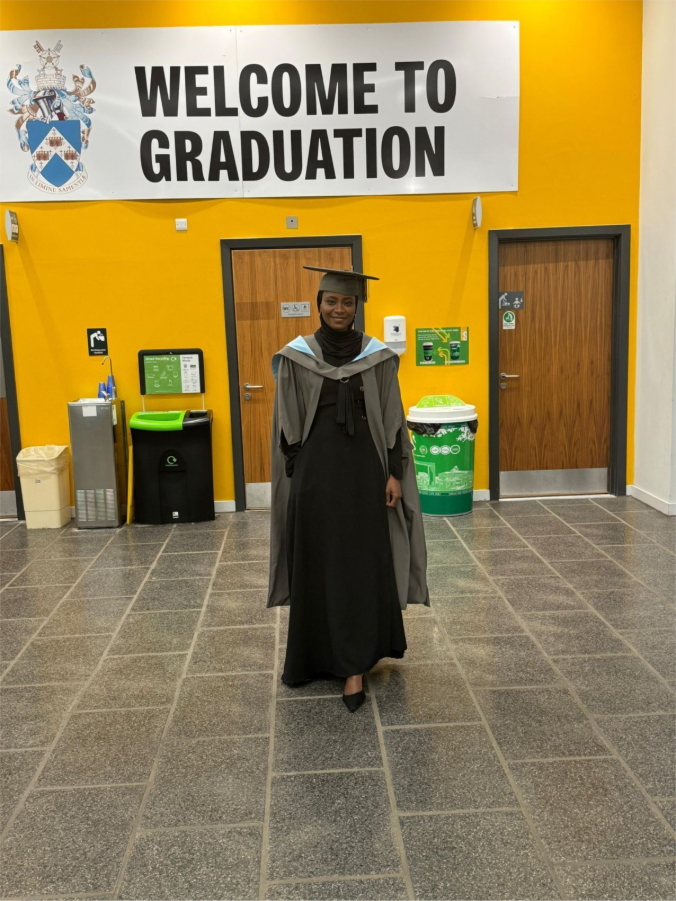
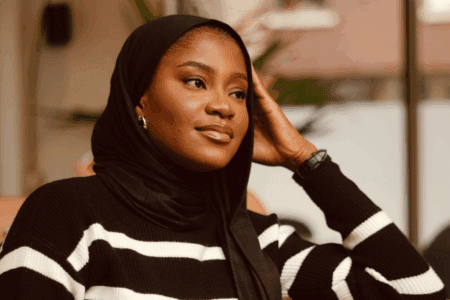
Hammed also posts a lot of informative and inspiring content to more than 87,000 followers on LinkedIn. Source: Rokeebat Hammed
Furthering education in Africa
EduFurther is Hammed’s answer to the question that has followed her since NYSC: What if African students had mentors? Someone who has been there, done that, and successfully graduated from university?
The platform connects African students with mentors who share similar backgrounds and have navigated global academic and career systems, overall working to improve education in Africa.
“What we’re trying to do is break barriers to global opportunities,” Hammed explains. “Through mentorship, through resources, through community.”
Founded in 2024, EduFurther only began its efforts in earnest in 2025. Already, a number of their scholars have already achieved meaningful success. Hammed shares that one scholar is studying in Saudi Arabia on a full scholarship, while another has started at the University of Bristol on the Commonwealth Scholarship. There’s also a student who just just secured like a fully funded PhD programme some weeks ago.
“These are like small wins, but they are like life-changing for the people involved,” Hammed says.