




Before Amaan Tariq became a PhD student in Health and Kinesiology at Purdue University, he was rejected 14 times during his PhD applications.
Drawing from his own experiences navigating internships and graduate admissions, Tariq shares practical strategies as well as internship, Master’s, and PhD application tips that go beyond the conventional wisdom found in other guides.
Through hundreds of iterations of his own CV and countless conversations with faculty and peers, Tariq has identified the key elements that can make or break an application.
The one big tip for securing an internship
When it comes to internships, Tariq stresses that success extends far beyond simply browsing application portals and websites. While these resources are valuable, he believes the real key lies in networking and building genuine connections with potential supervisors and researchers.
“You have to read about their work,” Tariq explains. “You can’t just show excitement because the competition is so high — everybody is excited.” Instead, students need to demonstrate keen interest and readiness to participate in research by showing what unique qualities they bring to the table, even if those are soft skills rather than technical expertise.
Tariq recommends starting local before casting a wider net. Students should first connect with peers and faculty at their own university to learn about available opportunities, then gradually expand their search outward. He acknowledges that luck plays a role in finding the right fit, but believes persistence is crucial: “The more you try, the more you will have chances of getting fit somewhere.”
One of Tariq’s most important pieces of advice concerns CV preparation. Rather than waiting until just before applications are due, he advocates for continuous refinement. “I think my CV right now might have gotten around 200 iterations,” he notes, emphasising that this ongoing process significantly strengthens applications.
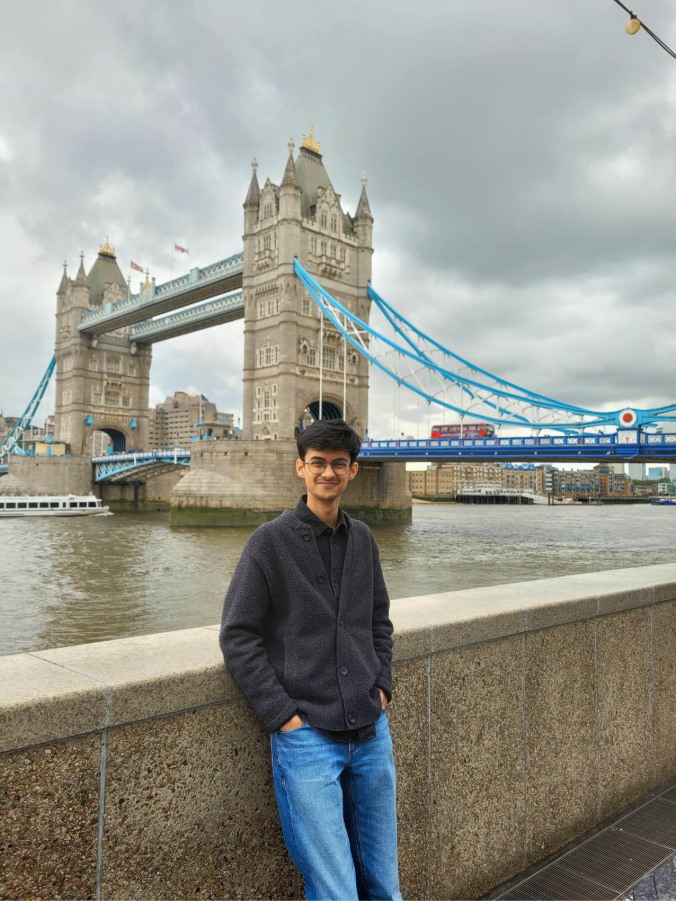
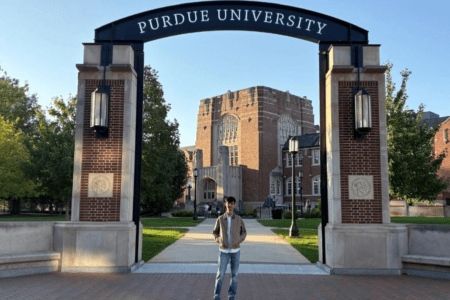
Tariq is pursuing his PhD in Health and Kinesiology. Source: Amaan Tariq
The four pillars of graduate applications
Tariq uses an architectural metaphor to describe the application process, noting that master’s programs require three pillars while PhDs need four to build a stable foundation.
For master’s applications, students need:
- Letters of recommendation
- A personal statement
- A polished CV
PhD applications require all of the above, plus a fourth critical element: direct contact with potential supervisors or mentors. Tariq clarifies that this distinction is important because some master’s programs actually discourage students from reaching out to faculty directly, making the application process more straightforward in that respect.
But for PhD applicants, reaching out to potential faculty advisors is essential. Tariq acknowledges that faculty members in STEM fields are extremely busy with limited time to review lengthy emails. His advice: be clear, precise, and concise.
“If you’re writing a mail which is two pages long, they might never be able to read it,” Tariq warns. Students should present their points in a couple of well-crafted paragraphs. If a faculty member agrees to a call, that’s an excellent opportunity to showcase your profile and demonstrate fit.
It’s also important to seek feedback throughout the application process. Students should ask mentors and professors to review their statements and request friends to proofread their work. “As many times as you will read it, you will just make it better,” he says.
Timing is also crucial when requesting letters of recommendation. Tariq advises against waiting until the last minute, urging students to give recommenders adequate time — not just one week before the deadline.
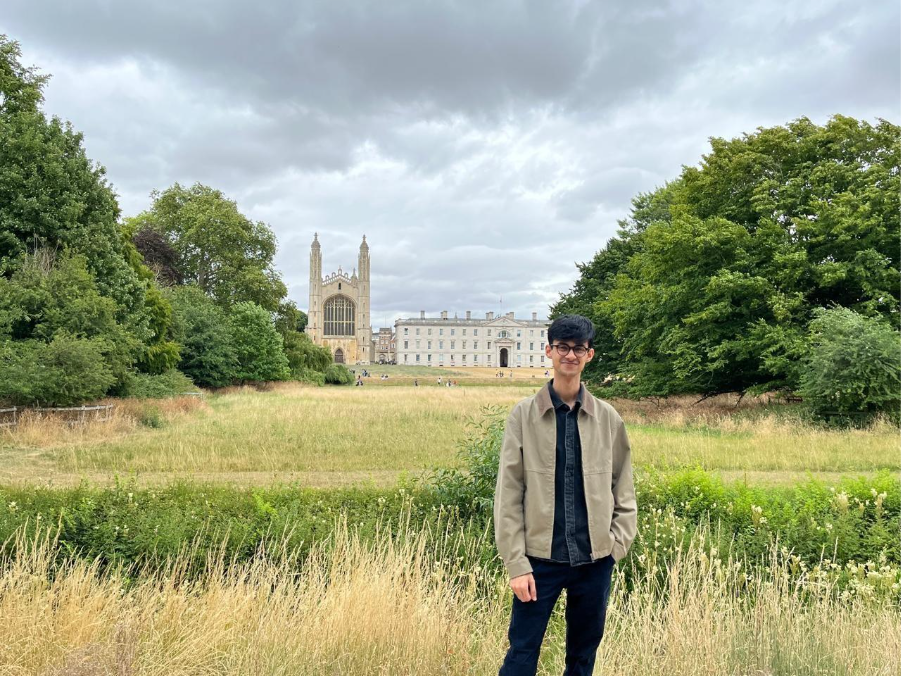
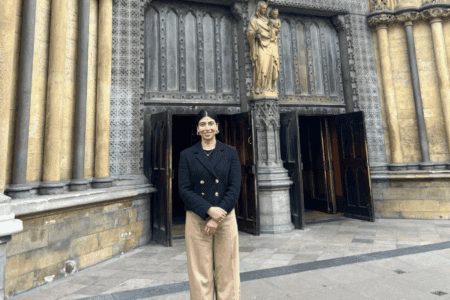
Amaan Tariq got his master’s degree from King’s College London. Source: Amaan Tariq
Finding the right fit
Sometimes, though, graduate admissions aren’t purely meritocratic.
“If that was the case, I can just put it on like today all the AI portals, they are ready to give you the best outcome, right?” he observes. “So they will give you the best profile, but it’s not about the best profile. It’s about the person who can fit the best.”
In a lab setting, success depends not only on technical work but also on fitting into the lab culture. Tariq believes that students who demonstrate they are malleable, adaptable, eager to learn, and enthusiastic about the work have a significant advantage over candidates with excellent credentials who never made personal contact with faculty.
“We are humans,” Tariq reminds applicants. “At the end of the day, it’s not just about who has the best profile.” For PhD applicants especially, he concludes, the importance of networking cannot be overstated.
Popular stories
The ultimate international student guide to visa fees, from lowest to highest cost

Internship, master’s, and PhD application tips from a Purdue scholar (who was rejected 14 times)

US$179,902 per year: 10 most competitive dentistry schools in the US and how much they cost

After 10+ PhD rejections, this Indian scholar is now a postgrad student at Purdue