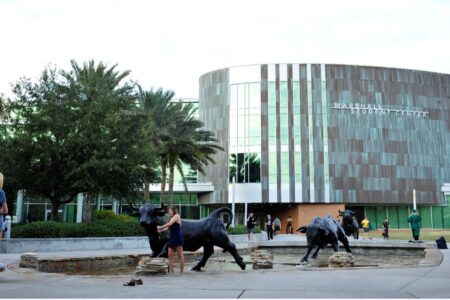

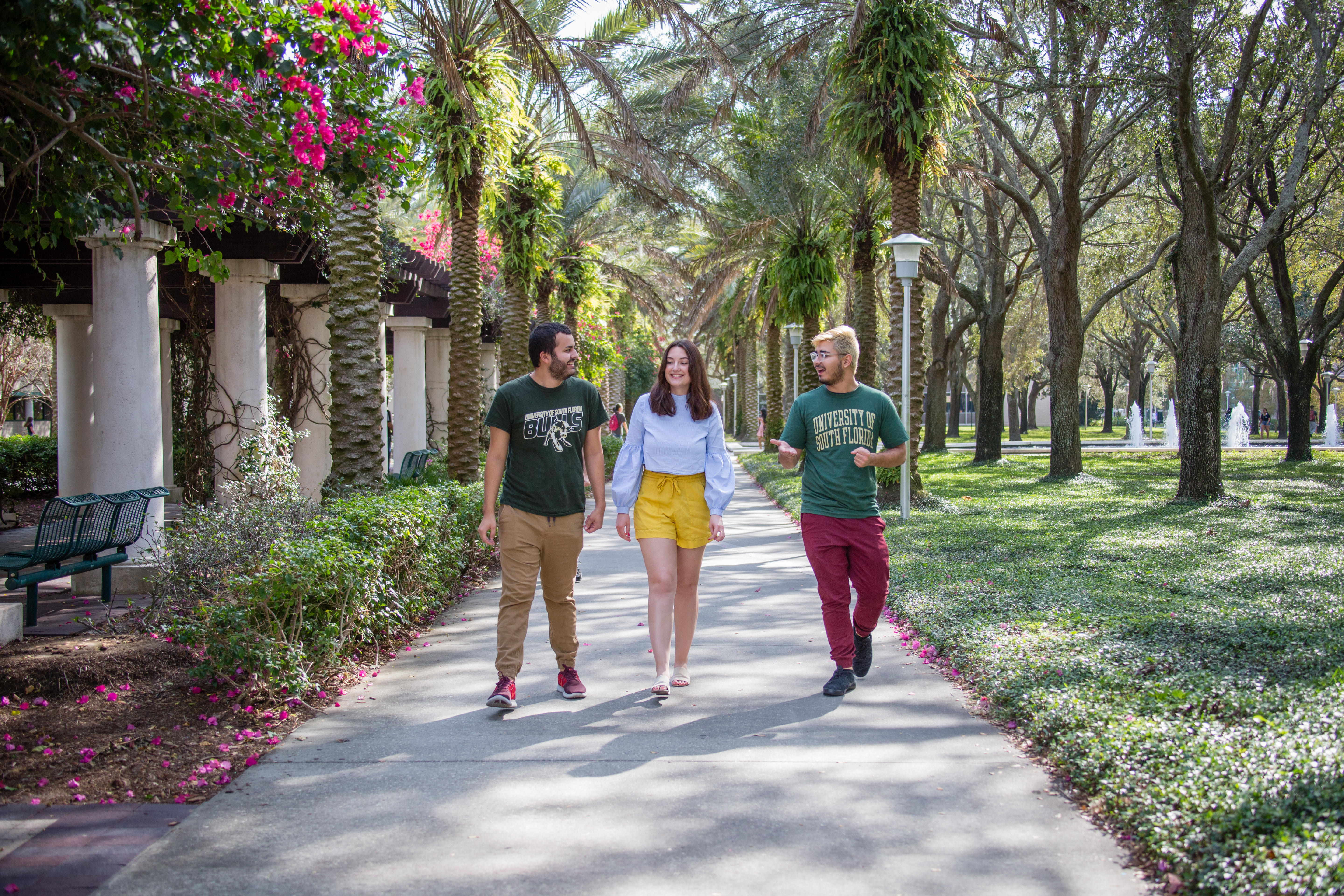


The Florida Board of Governors recently named the University of South Florida (USF) a Preeminent State Research University. It’s a designation that feels less like an award and more like a status update. As one of America’s top 50 public universities, USF has built a reputation on research designed to make a difference, improving lives from Tampa to the other side of the planet.
Take the the Electrical Engineering (EE) Department as an example. Associate professor Ashwin Parthasarathy is leading the SPKL project, a non-invasive, wearable blood‑flow monitoring device built to detect artery blockages at the earliest hint of a stroke.
“We are motivated by our desire to see new methods and techniques be used by people in the field,” he says. “This was a driving factor in our development of an emergency stroke assessment device; we want to build a device that is robust and easy to use but helps deliver value in triaging stroke patients to get treatment faster.”
Another example can be seen in the work of Professor Lingling Fan, who is helping electric companies across the nation evaluate the vulnerability of a power grid during extreme power grid events, such as a hurricane. Using real-time digital simulators, she is able to see how many people are impacted by shutdowns, develop detailed restoration plans, and test various techniques, crucial steps to avoid both damage to equipment and delays in restoration of power.
“We rely on computer simulations to examine the performance of a power grid,” Professor Fan says. “Depending on the level of detail included and the purpose of examination, computer simulation can take a few seconds to a few hours.”
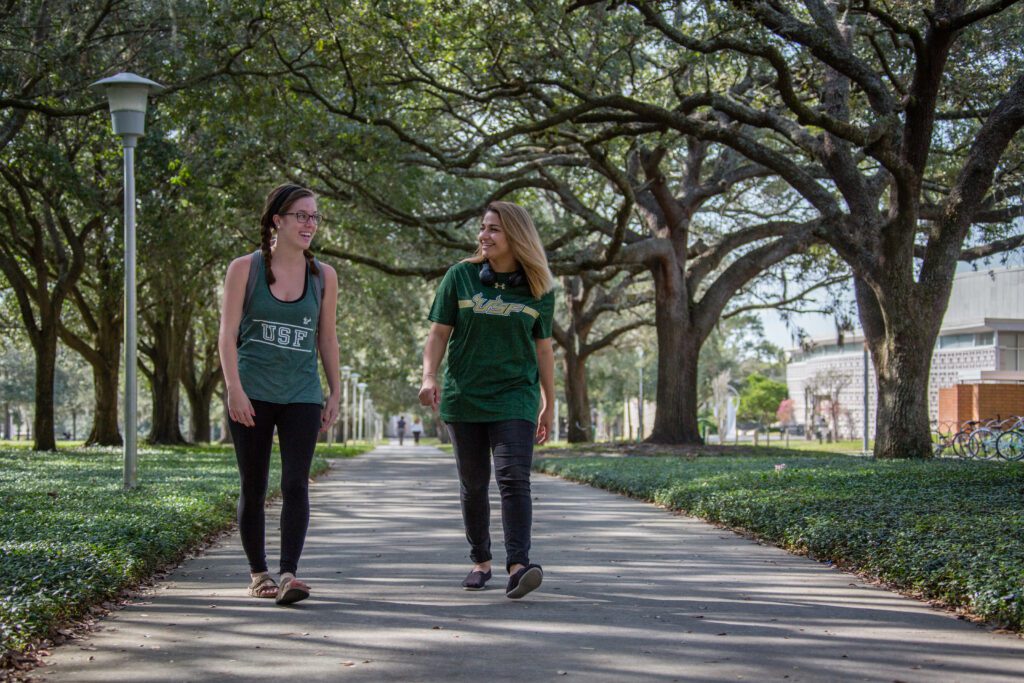
There are eight focus areas within the MS in Electrical Engineering to tailor your learning experience. Source: University of South Florida
Student projects are equally impressive. They are building autonomous vehicles for disaster relief (strong enough to win Raytheon’s Autonomous Vehicle Competition), smart hospital inventory systems, and intelligent EV chargers designed for scale.
It’s work like this that generates new knowledge and changes people’s lives. This momentum is why USF’s EE department can often feel like an R&D launchpad.
Here, graduate students dive straight into research, guided by eight MS focus areas spanning Automation and Control Systems, Biomedical Systems, Machine Learning and AI, Microelectronics and Chip Design, Renewable Energy, Systems and Security, Wireless and Microwave. You even have the option to build your own hybrid pathway through the General Track.
Each track includes access to dedicated labs and industry‑grade tools. Whether measuring microscopic signals or pushing simulations to industrial limits, students get to use the kind of infrastructure that can actually turn ideas and theories into prototypes.
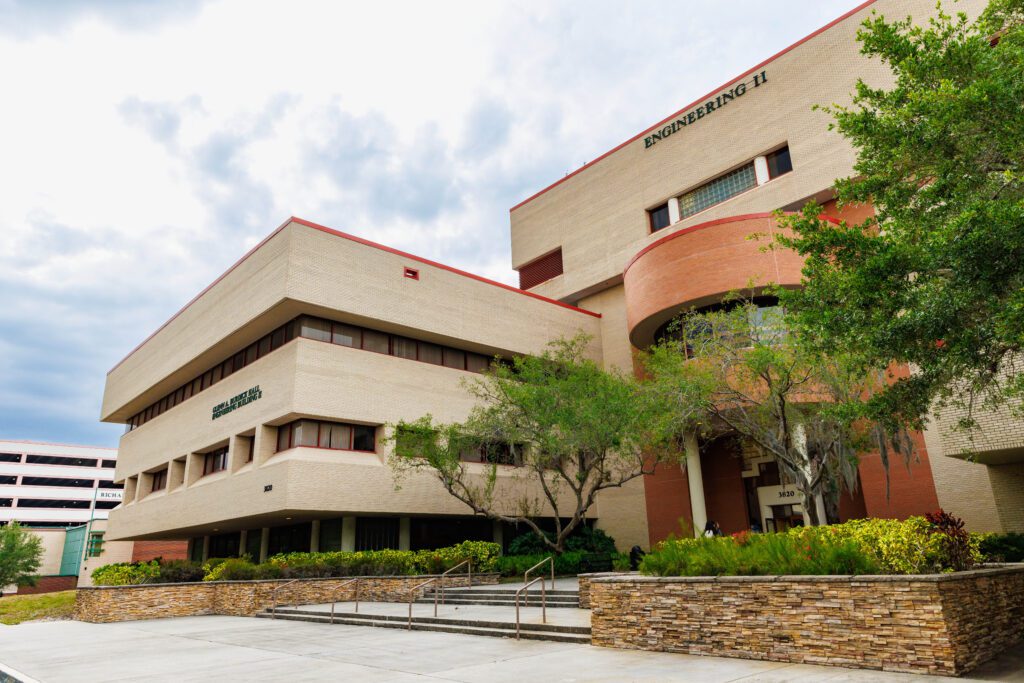
EE graduates go on to work in top companies like Qualcomm, SpaceX, GE Aerospace, General Motors, and Texas Instruments. Source: University of South Florida
The full impact of a USF EE education can be seen in the list of places alumni are thriving at now: Qualcomm, SpaceX, GE Aerospace, General Motors, Texas Instruments. These are outcomes made possible, in no small part too, by a 23‑member faculty whose résumés include NSF CAREER awards, IEEE and AAAS fellowships, Distinguished University Professor honours, and, most recently, three new inductees into the National Academy of Inventors.
Their collective experience spans national technical leadership, industry breakthroughs, and multiple spin‑off companies. At USF, your instructors are the very people out there building the future of electrical engineering. Join them and get a front‑row seat, plus the toolkit, to do the same.
Follow University of South Florida’s Electrical Engineering Department on Facebook, Instagram, LinkedIn, X, and YouTube.