

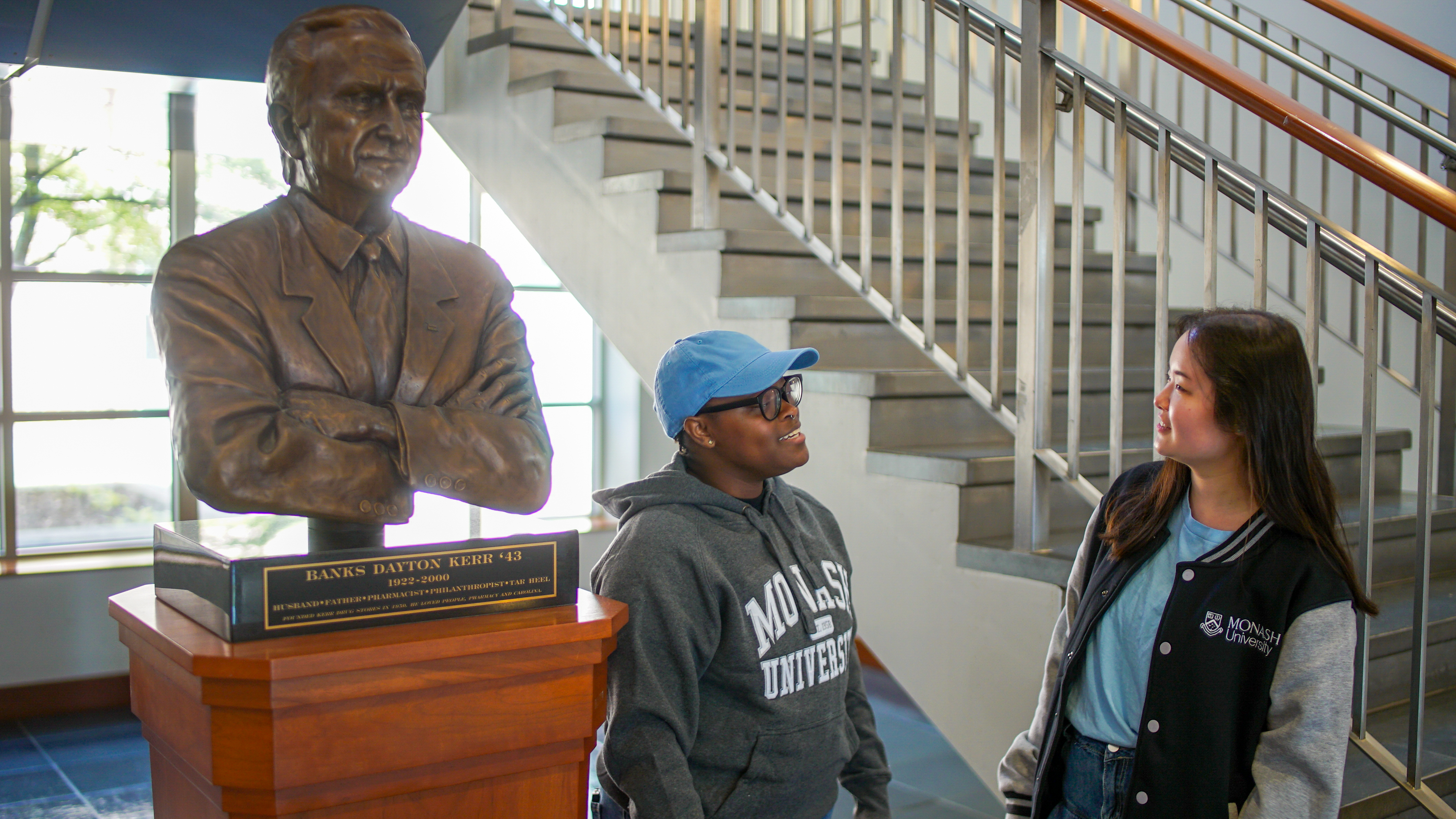


Jessica Phan has always known she wanted to help patients get the drugs they need. Working as a graduate research scientist was her first step, but as time passed, she wanted to explore more opportunities in the pharmaceutical industry. This led her to the Master of Global Medicines Development (MGMD), the first-of-its-kind joint degree offered by The University of North Carolina at Chapel Hill’s Eshelman School of Pharmacy (#1 pharmacy school in the US for the fourth time) and Monash University’s Faculty of Pharmacy and Pharmaceutical Sciences (#2 in the world for pharmacy and pharmacology).
“I chose the MGMD to gain a more comprehensive understanding of how medicines are developed on a global scale, and how different areas of the industry — from research and development to regulation, commercialisation, and patient access — are interconnected,” she says.
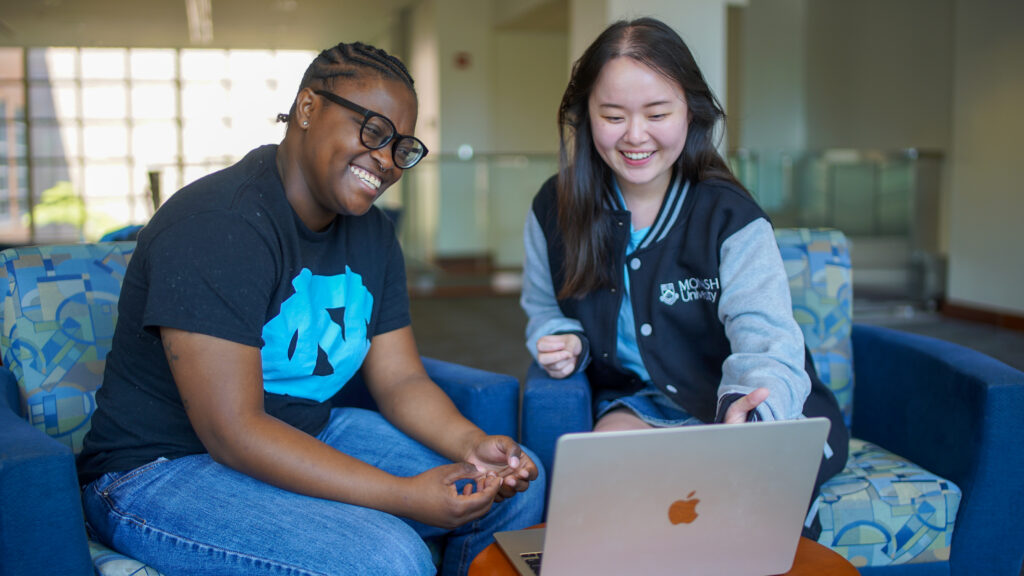
Source: Danny Alexander, The University of North Carolina at Chapel Hill
The MGMD prepares you to navigate global regulatory systems, manage international supply chains, and lead cross-border pharmaceutical initiatives.
Two world-class universities, one high-impact programme
This collaboration between two of the highest-ranked schools in pharmacy and pharmacology in the world is necessary, with medicine development and distribution crossing national borders. One of the things Phan is most looking forward to from this partnership is learning from professionals working across different areas of the pharmaceutical industry and building connections with people in the field.
The programme gives you access to both universities from your first year. Each semester, you’ll take two in-person units at Monash Parkville. UNC-Chapel Hill staff travel to Melbourne to co-teach a third unit, which includes practical workshops and in-person mentoring. Plus, you’ll complete one fully online unit from UNC-Chapel Hill each semester.
The curriculum takes you through the entire development process, from how therapies are discovered and developed to how they are evaluated, regulated, and ultimately reach patients. You’ll also explore the latest updates in pharmacy science, sustainable practices, pharmaceutical ethics and responsibility, regulatory science, and leadership topics.
Phan loves seeing the whole picture of medicines development. “I have particularly enjoyed developing a deeper understanding of regulatory science, pharmaceutical finance and data management, project management in global medicine development, as well as both historical and modern approaches to drug discovery and development,” she explains. “These subjects have helped me see medicine development from perspectives beyond the laboratory.”
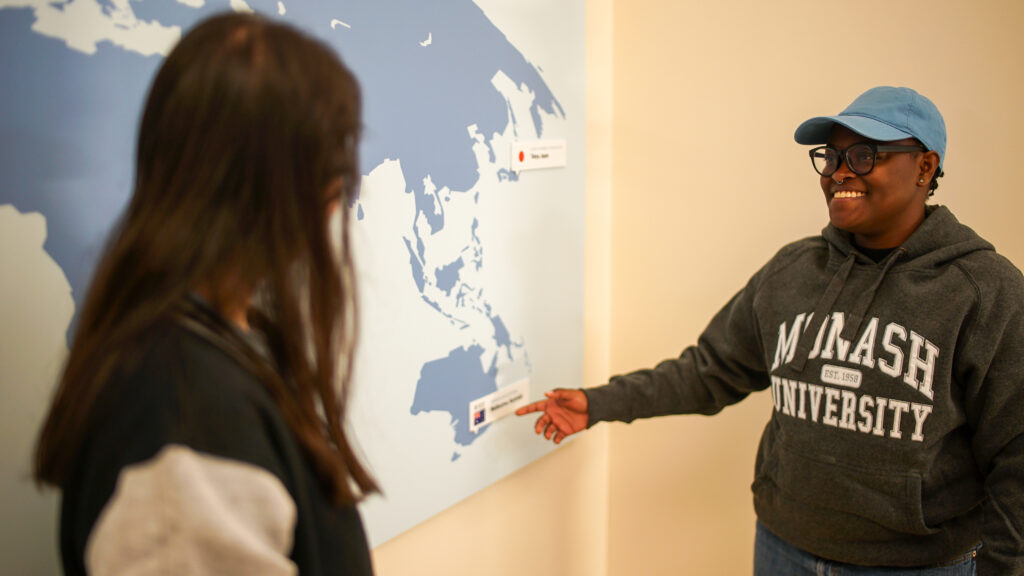
Source: Danny Alexander, The University of North Carolina at Chapel Hill
For the first 12 months, you’ll study in Melbourne. After that, you’ll spend your third semester in a faculty-organised industry placement, either in Melbourne’s biotechnology industry or North Carolina’s Research Triangle Park, in the US.
Where will your expertise take you?
By graduation, you’ll have the skills to build a career in medicine development anywhere in the world. Your industry-relevant knowledge, combined with leadership, communication, and decision-making skills, will prepare you for a variety of roles. More importantly, you’ll know how to approach your work with the ethical and cultural awareness needed in a global industry.
If you’re interested in the business side of pharmacy, you could be identifying opportunities in new markets or managing international partnerships. For those who’d rather work more closely with medicine development and patient access, you could take on roles in international health organisations or multinational pharmaceutical companies. Or, through research and academia, you could contribute to advances in medicine development while preparing the next generation of healthcare professionals.
The possibilities are wide-ranging, and Phan is looking forward to making the most of them. She believes the MGMD will help her transition into the pharmaceutical industry “with greater confidence” and “to contribute effectively to multidisciplinary and global teams.”
It’s a journey she encourages others to consider, especially those interested in developing skills that extend beyond pharmaceutical science. “The MGMD provides exposure not only to medicine development, but also to areas such as regulation, project management, leadership, and commercial decision-making, which are important for working across the pharmaceutical industry,” she says.
Ready to take the next step towards a career in global medicine development? Apply to the joint-degree program here
Follow The UNC Eshelman School of Pharmacy on Facebook, LinkedIn, X, Instagram, and YouTube