



In 2026, University College London turns 200.
Founded in 1826, it was built on a radical idea for its time: that higher education should be open to all, regardless of background. Two centuries later, the spirit of experimentation that shaped its beginnings still defines it.
To mark the Bicentenary, London’s first university is hosting a year of events — exhibitions, lectures, performances. Among the most fitting participants in these celebrations is the SMILE (Solar wind Magnetosphere Ionosphere Link Explorer) space mission. If ever there were a symbol of a university looking to its next century, it would be a spacecraft designed to study the invisible forces shaping our planet’s relationship with the Sun.
Space science and technology development have been part of UCL’s story for over six decades. And its work is more important than ever. Modern life runs quietly on complex systems, from the satellites that guide navigation apps, synchronise financial markets and power telecommunications networks, to the infrastructure that underpins our “just in time” supply chains. Understanding and protecting those systems has become infrastructural.
At the heart of this effort is UCL’s Department of Space and Climate Physics, home to the Mullard Space Science Laboratory and the UCL Centre for Systems Engineering. Harnessing the experience of researchers and highly skilled engineering teams in designing and managing large, complex, international projects, students here get real-world training that enables them to understand, build and manage complex systems in all sectors.
That philosophy shapes its five taught MSc programmes: Space Science and Engineering: Space Science MSc, Space Science and Engineering: Space Technology MSc, Technology Management MSc, Management of Complex Projects MSc, and the Systems Engineering Management MSc.
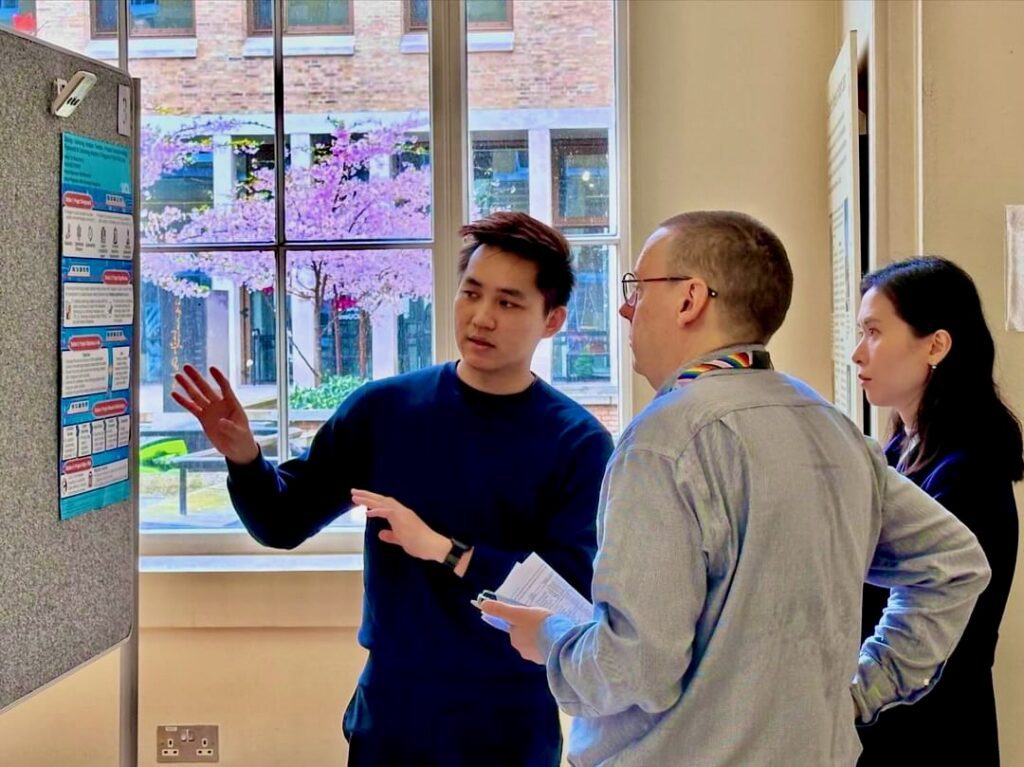
If you want to move into space research or a career in the space industry, UCL is one of the best places to build the knowledge you’ll need. Source: University College London
The common thread is clear. Students are given the theoretical grounding to understand complexity and the practical tools to lead within it.
For graduate Sarjeena Maodud, that balance was crucial. During her second year as a Computer Science student at UCL, she realised technical fluency wasn’t enough. She wanted to build on her foundation while seeing technology through a management lens. Hence, her decision to pursue the Technology Management MSc.
“It was the best fit for my needs, owing to its curriculum, world-class faculty, the practical focus and UCL’s strong global standing,” she shares. “The course equipped me with the knowledge and leadership skills needed to strive in a business environment and lead technology-driven innovations.”
Sagnik Dutta arrived with a different trajectory — an electronics background and experience in India’s space industry — but reached a similar conclusion. Technical expertise, he found, has limits when confined to a single discipline.
“I realised that moving into leadership roles in the space sector requires more,” he says. The Space Science and Engineering: Space Technology MSc stood out for its interdisciplinary structure. Students move across electrical, mechanical, and computer science disciplines while grounding themselves in the realities of rockets, satellites, the space environment and systems engineering. In simpler words, they learn to see the whole machine, and their place within it.
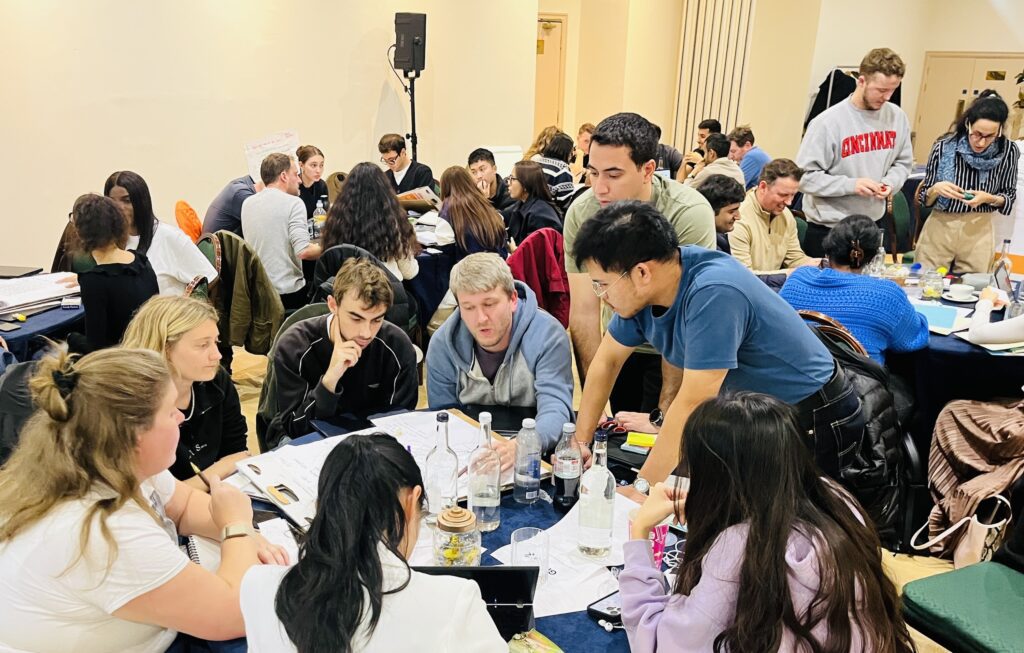
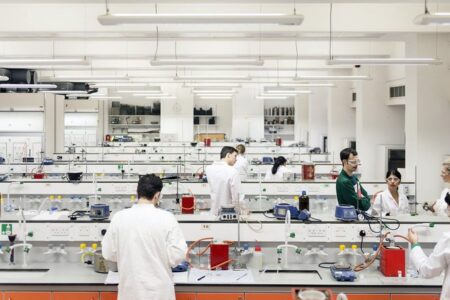
Beyond mastering subject fundamentals, students learn to analyse complex problems, take initiative, and work effectively with others. Source: University College London
Looking back, Maodud sees her years at UCL as a defining chapter in her growth. “While the theoretical rigour and challenging assignments stretched and built me intellectually, the formative years of my adulthood were shaped largely by UCL’s culture of inclusion, respect, and never shying away from thinking big,” she says.
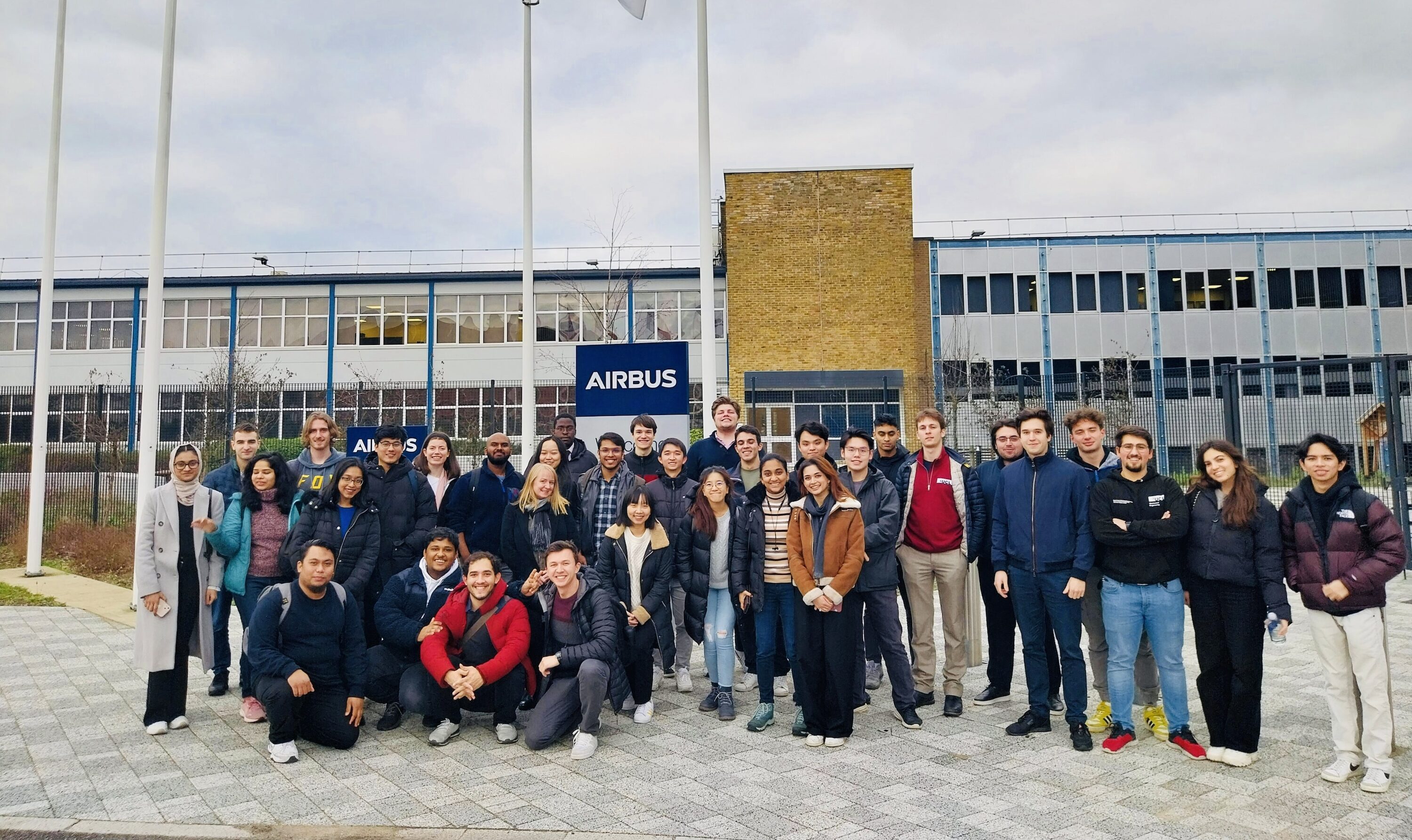
That same environment extends beyond campus, connecting students to organisations grappling with some of the defining challenges of this century: climate change, sustainable cities, global health, data-driven governance, and the technologies reshaping them all.
“Take advantage of the unique opportunities this programme has to offer, not only through the classroom learnings but also the chance to build relationships with peers who may already be in an industry you wish to enter or advance in,” Maodud adds. “The one year passes by fast — I suggest you make it count!”
This level of confidence always shapes where graduates go next. If they’re graduating from the Department of Space and Climate Physics, they pretty much go everywhere. Alumni move into business development, catastrophe modelling, policy work at organisations such as NATO (North Atlantic Treaty Organisation) and the United Nations, and various companies building the next generation of space technologies.
Maodud started her career in a health-tech startup before co-founding her own interior-tech venture, Sheraspace, in 2019. Dutta returned to the Indian Space Research Organisation, where he is now working on larger, more challenging assignments.
“The courses at UCL played a key role in preparing me for this transition,” he says. “Gaining first-hand experience of how projects are managed within another space agency gave me a valuable perspective, which I now apply in my work by blending best practices from both organisational cultures.”
Follow University College London on Instagram, YouTube, TikTok, and Facebook