



In a world where we can reach anyone with a single tap, it’s surprising how many people still feel alone. An American Psychological Association poll found that 54% of US adults feel isolated, 50% feel left out, and another 50% say they lack companionship. Stress, finances, and complicated family and friend relationships all play a part.
For PhD students, these emotions are almost part of the journey. “A PhD journey is long and at times can feel isolating,” explains graduate Suryeon Kim. Days blur together in quiet study rooms, conversations with friends fall flat because the work is hard to explain, and some departments simply aren’t built to encourage connection between students.
But every story has its exceptions. Kim found hers at Texas A&M University’s College of Architecture. “Its strong sense of community was one of the most meaningful aspects of my PhD experience,” she says.
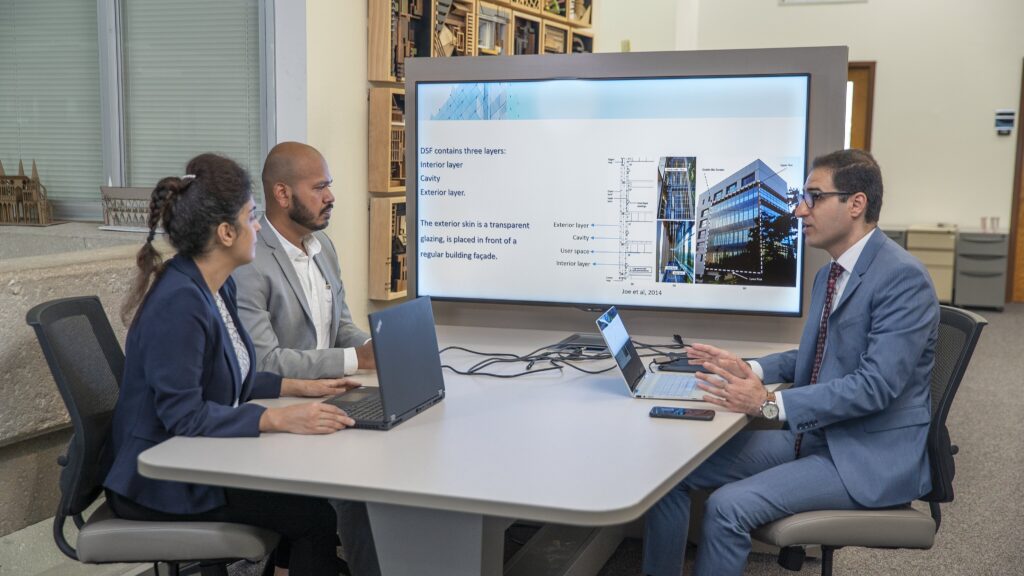
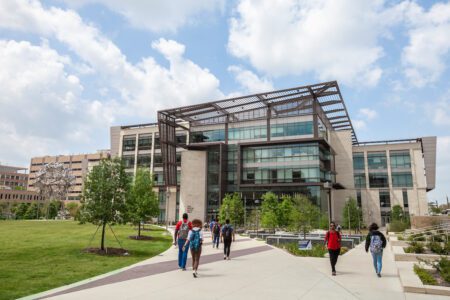
Texas A&M’s faculty work in many research areas, so you can learn from different viewpoints and expand how you think about your own work. Source: Texas A&M University
Your supportive PhD family
Kim completed her PhD at the college’s Department of Construction Science, where the community was anything, but silo-ed. Faculty, alumni, industry professionals, and students regularly came together for events such as the College of Architecture’s colloquium, showcases, tech demo days, and seminar series.
“I also valued the informal moments — discussing research ideas in the hallway, exchanging feedback, and sharing challenges and successes — which created a supportive and intellectually stimulating learning environment,” she says.
That sense of community is something all PhD students get to experience, regardless of their department. For PhD in Urban and Regional Sciences graduate Zhi Han Tao, attending conferences was a huge part of that.
“Presenting our work at the National Institute of Environmental Health Sciences (NIEHS) Superfund Research Programme annual meetings and other conferences exposed me to leading scholars in environmental health, hazards research, and community resilience,” he says. “These experiences taught me how to articulate research significance to interdisciplinary audiences, respond to critical feedback, and build relationships with researchers across the country.”
These are experiences that shape entire careers. “Earning a degree from Texas A&M not only reflects rigorous academic preparation but also opens doors to ongoing conversations across both academia and the construction industry,” says Kim. “Many of my collaborators, mentors, and peers remain trusted colleagues who share insights, exchange research ideas, and offer guidance.”
Tao feels the same. “The networks I built during the programme have led to ongoing research collaborations, co-authored publications, invitations to present at workshops and symposia, and opportunities to serve on doctoral committees at other institutions,” he says.

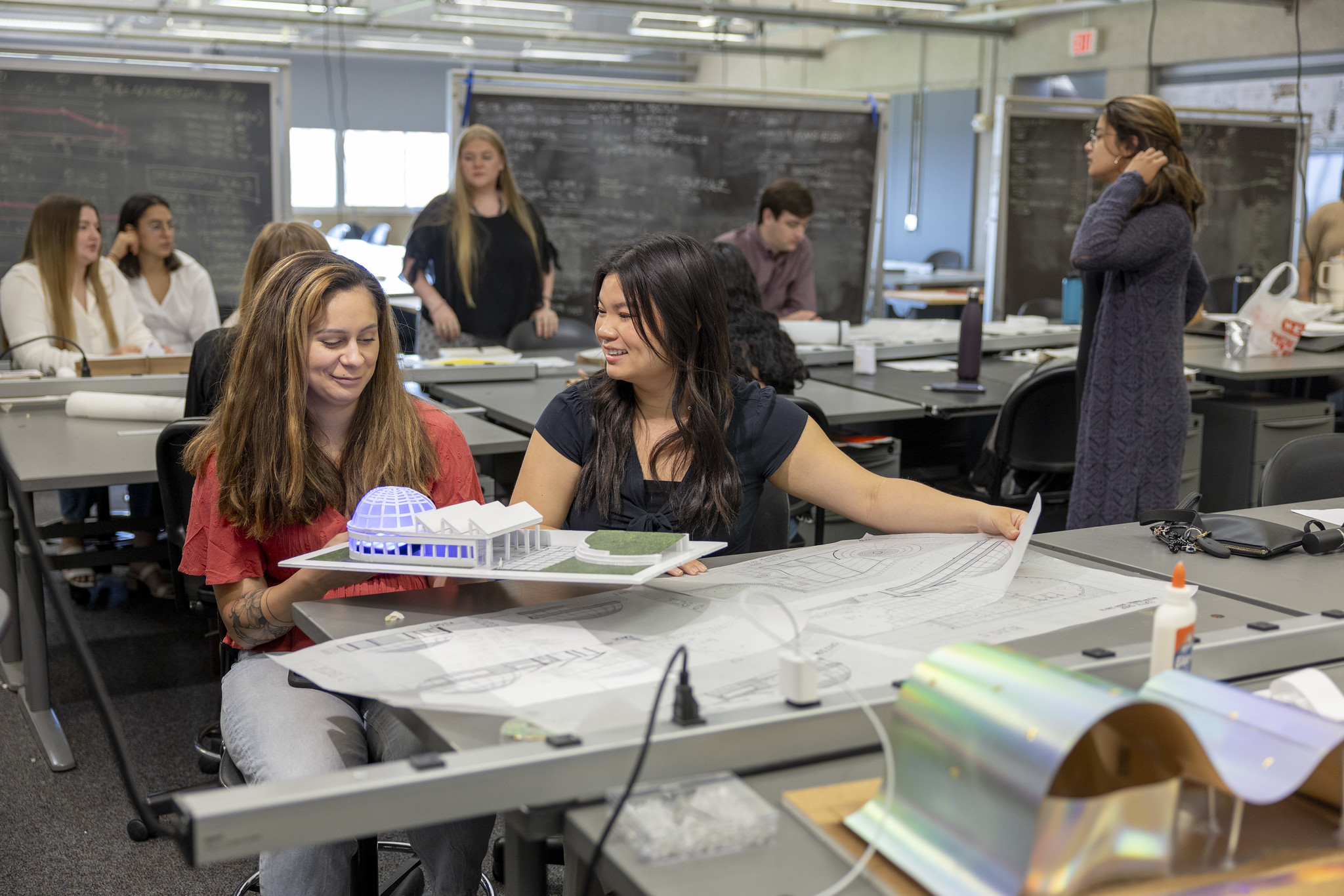
Architecture students get to sit in on specialised lectures from faculty members and visiting experts. Source: Texas A&M University
When disciplines meet, ideas grow
Networking aside, a highlight of Texas A&M’s PhD programmes is their interdisciplinary curriculum. Tao, for example, chose his programme because it connects landscape architecture, urban planning, and environmental science.
“The programme’s flexibility allowed me to integrate my landscape architecture background with advanced spatial analysis and urban systems thinking, while also developing the qualitative methods necessary to understand community perspectives and co-produce knowledge with residents,” he explains. “This combination was essential for investigating how designed landscapes could serve as critical infrastructure for climate adaptation while addressing environmental justice concerns.”
For Kim, some of her most memorable moments came from working with people outside her department. One of her research projects involved creating an educational simulation that helped students learn lean construction concepts in a more immersive and enjoyable environment.
During this process, she worked not only with faculty and students from the Department of Construction Science but also with those from the Visualisation and Computer Science programmes. “Working across disciplines allowed us to combine technical expertise and educational design, which led to a successful outcome,” she says.
For Jaechang Ko, a PhD in Architecture graduate, collaboration was something he learned and became part of how he now thinks. “Architecture is an inherently team-based discipline, where diverse perspectives converge to create impactful environments,” he says.
He felt this even more strongly while working as a technical designer at Gensler, an architecture and design firm in Texas. “I learned how sharing insights, giving and receiving feedback, and refining ideas collectively lead to far richer outcomes than any single individual could achieve,” he says.
Follow the College of Architecture on Facebook, Instagram, LinkedIn, and YouTube