




Now that the New Year buzz has settled, January is the perfect time to reset — without the pressure of unrealistic resolutions.
Instead of trying to change everything at once, choose to focus on small, intentional goals that actually stick.
An “ins and outs” list is a simple way to do this: keeping habits that support your well-being and letting go of the ones that no longer serve you.
It’s more about setting yourself up for a year that feels achievable, and less about perfection. This list allows you to clearly outline what habits, goals, or behaviours you want to embrace and which ones you want to leave behind. It’s a way to get more intentional with your choices, helping you prioritise your needs, wants, and aspirations for the year ahead.
What is an ins and outs list?
The trend of creating an ins and outs list started on TikTok and Instagram. Rather than the traditional New Year’s resolutions, which focus on lofty goals or vague promises, people are now making lists of things they want to embrace or leave behind for the upcoming year.
The best part of these ins and outs lists is that they can include anything — whether it’s new habits like “being on time,” or letting go of old habits like “procrastination.”
The “ins and outs” lists gained popularity because they are easy to relate to and accomplish.
Instead of focusing on perfection, the trend encourages small but meaningful changes, like adopting healthier habits or trying new activities.
For example, “in” might include things like practising mindfulness or sustainability, while “out” could mean cutting back on screen time or letting go of toxic habits.
Rather than setting unrealistic goals, focusing on achievable goals can lead to lasting results.
Why you should have an ins and outs list
Creating the ins and outs list is a great approach if you want to make meaningful changes in your life. This approach allows you to reflect on your current habits and behaviours, identifying what you want to embrace and what you want to leave behind.
It provides clarity and helps you prioritise areas for personal growth, whether it’s improving time management, focusing on academic performance, or adopting healthier habits. Studies show that self-reflection, like making lists, can improve mental well-being and boost motivation by providing clear goals to work towards.
Rather than feeling overwhelmed by broad resolutions, you break down your goals into actionable and manageable changes. This focus on small, positive changes can have a big impact over time.
Writing down your goals has been shown to improve accountability. According to a study, students who wrote down their goals were 33% more likely to achieve them.
9 ins and outs for 2026
View this post on Instagram
1. Budgeting
As an international student, managing your finances effectively can be the difference between a stress-free semester and one full of financial worries. Budgeting should be at the top of your ins and outs list for 2026 because it helps you keep track of your spending and save money while living abroad.
What to let in: Start by using budgeting apps like Mint, You Need a Budget (YNAB), or Splitwise for shared expenses with friends. These tools make tracking your spending easier, so you can set realistic monthly goals.
Cooking meals at home is also a great “in” to have on your list. Not only does it save money — studies show that preparing your meals can cost up to US$60 less than eating out — but it also lets you explore new cuisines and maintain a healthier lifestyle.
What to kick out: Ignoring monthly spending limits should definitely be on your “out” list for 2025. Overspending on food or accumulating unnecessary subscriptions can quickly drain your money. For example, it was found that the average person spends over US$924 annually on subscription services. Be mindful of this and regularly review your spending to avoid unnecessary financial stress.
2. Productivity
Staying productive is important when you are a university student trying to balance couraewoek, projects, social life, and personal goals. Adding productivity tools to your routine in 2025 will help you manage your time more efficiently, reduce stress, and stay on top of your tasks. Whether you are managing your assignments, adjusting to a new culture, or working with classmates, using the right apps can make a big difference.
What to let in: One of the easiest ways to boost productivity is by using apps like Notion, Todoist, or Google Calendar. These apps help you stay organised by tracking deadlines, setting reminders, and managing your schedule all in one place. Collaboration apps such as Slack or Microsoft Teams are useful for group projects, allowing you to communicate and share resources with classmates easily.
What to kick out: Overloading your phone with too many apps that you don’t use consistently can lead to unnecessary distractions and waste of storage space. Research shows that multitasking and constant app switching can lower productivity by as much as 40%, so focus on apps that help you stay organised and focused.
3. Academics
Succeeding academically includes a combination of good study habits, effective time management, and clever use of available resources. In 2025, it’s important to adopt strategies that support consistent learning and help you manage the pressures of university life.
What to let in: One of the best ways to reinforce learning is through online platforms like Khan Academy, Coursera, or Quizlet. These platforms offer free or affordable materials that can supplement your lectures and help you grasp complex concepts at your own pace. Another great practice is using time management techniques such as the Pomodoro method or study timers. Research shows that breaking study sessions into focused intervals increases productivity and retention while reducing burnout.
What to kick out: On the other hand, procrastination and cramming for exams should be avoided, unless Kay Chung. Research has found that cramming does not lead to long-term retention of information and increases stress levels.

Yoga can help you calm your mind and relax your body, which can reduce stress and anxiety.
4. Health and wellness
Maintaining your health and wellness should definitely be on your ins and outs list for 2026. Dealing with academic pressures in a new environment can be challenging, and neglecting your physical and mental health can lead to burnout and decreased productivity. Prioritising well-being through healthy habits and seeking support when needed will help you stay focused and feel your best while studying abroad.
What to let in: One of the key components of wellness is mental health. Use platforms like BetterHelp or your university’s counselling services to manage stress and emotional challenges. Research shows that students who seek mental health support are more likely to stay engaged academically and socially. On the physical side, staying active is essential. Apps like Fitbit or Nike Training Club can help you track your workouts, while a local gym membership is a great opportunity to relieve stress and boost your energy. Regular exercise is proven to improve mood, focus, and overall health.
What to kick out: Neglecting signs of burnout or skipping out on exercise and sleep should be on your “out” list for 2026. Studies have shown that chronic stress and lack of sleep can significantly impact cognitive function and overall health.
5. Career development
While it may feel too early, but planning for your career while still in university is a great way to ensure you achieve a successful future. By taking part in career-building activities such as networking, skill development, and utilising professional platforms, you can enhance your employability and stand out to employers. The earlier you begin, the better prepared you’ll be when it’s time to enter the workforce.
What to let in: One of the best ways to showcase your growth is by regularly updating your LinkedIn profile with new skills, certifications, and achievements. LinkedIn is a powerful tool for connecting with potential employers and networking with professionals in your field. Attending virtual or in-person career fairs and networking events is just as essential. These events provide opportunities to connect with employers and learn about different industriea — boosting your chances of securing internships and job opportunities.
What to kick out: Waiting until graduation to plan your career should be on your “out” list. According to a survey by NACE, students who start their career planning early have a higher chance of securing a job before graduation.

Over 400 million tonnes of plastic are produced globally each year, with a large portion ending up in landfills or the ocean.
6. Sustainability
Making sustainability part of your daily life doesn’t mean going fully zero-waste overnight.
It’s really about small, realistic changes that add up over time. From how you recycle to what you store your food in, these everyday choices can help reduce waste, save money, and ensure a better future.
Many universities and cities are placing greater emphasis on sustainable living, such as
What to let in: Let in better recycling habits and reusable alternatives. Using glass or metal containers for food storage instead of single-use plastic is a easy switch that reduces waste. Refillable water bottles, reusable coffee cups, and tote bags are also great.
What to kick out: Avoid single-use plastics, unnecessary packaging, and throwing recyclables in the general trash. Plastic cutlery, takeaway containers, and plastic wrap may be convenient, but they are bad for the environment.

Joining clubs and societies will allow you to meet and mingle with people who have similar interests as you.
7. Social life
Balancing academics and social life is essential for a fulfilling university experience. Engaging in social activities not only helps you make friends but also enriches your cultural understanding and broadens your network. By being open to new experiences and connecting with people from different backgrounds, you can make the most of your time abroad. However, it’s important to strike a balance, ensuring that your social life enhances your university experience without overwhelming you.
What to let in: One great way to build connections is by joining university clubs and attending events. Whether it’s a student organisation, volunteer work, or academic societies, these activities provide opportunities to meet people with shared interests and gain skills. Apps like Meetup or Bumble BFF are also great for expanding your social circle. These platforms help you find friends based on your interests, making it easier to explore new hobbies and make lasting connections.
What to kick out: On the other hand, staying within one cultural group or avoiding socialising altogether can limit your experience and prevent you from gaining new perspectives. It was found that international students who engage in cross-cultural interactions tend to have a more positive academic experience and improved well-being. However, overcommitting to too many activities can lead to burnout. It’s important to find a balance between socialising and focusing on your academics to avoid spreading yourself too thin.
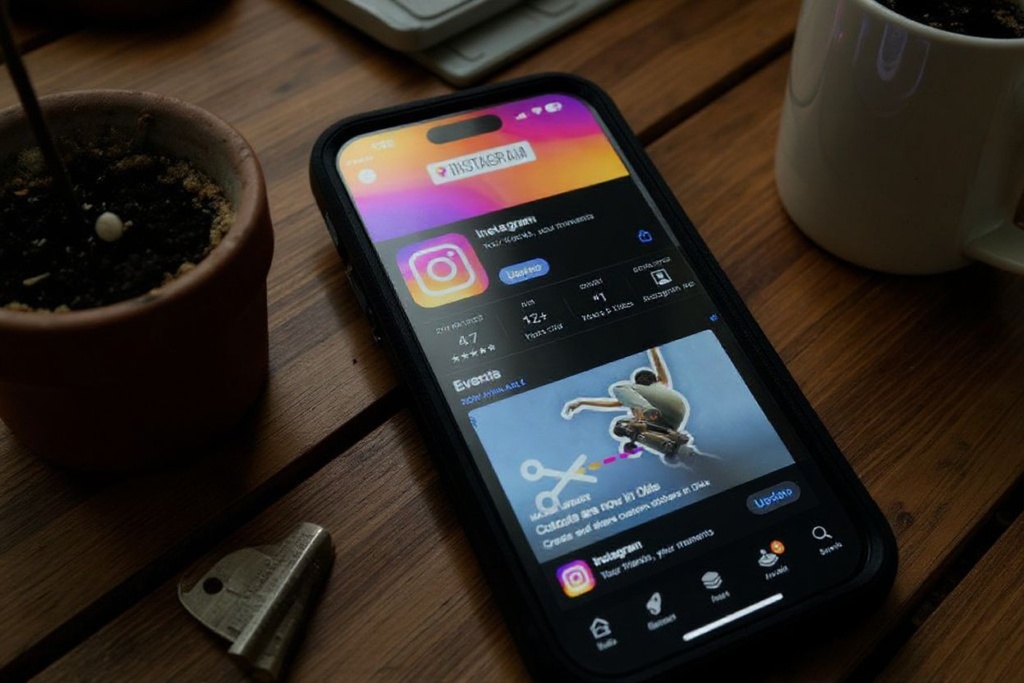
Social media breaks can help you focus better on tasks and work more efficiently.
8. Technology
Technology is a big part of university life. It helps you stay organised, connected, and productive. However, it is important to use it wisely. In 2025, balancing the benefits of technology with mindful habits will help you maintain focus on your studies and personal growth while safeguarding your digital security.
What to let in: A great practice is to back up important documents, such as assignments, research, and personal notes. Using cloud storage services like Google Drive or Dropbox ensures that your files are secure and easily accessible across devices. Incorporating a digital detox into your routine can improve your focus and mental well-being. Studies show that taking breaks from screens, especially social media, can help reduce stress and improve productivity. Setting boundaries for screen time, such as using apps to track usage, can encourage you to disconnect.
What to kick out: Excessive screen time, especially on social media, should be on your “out” list for 2026. Research shows that too much time on social media can lead to increased anxiety and reduced attention span. Another important area to focus on is cybersecurity. Failing to use basic security measures, such as two-factor authentication, can leave you vulnerable to cyberattacks.
9. Fashion
Fashion should be on your “ins and outs” list because what you wear affects how you feel, more than you expect.
Getting dressed isn’t about following every trend on social media or spending money you don’t have. It’s about feeling comfortable, confident, and like yourself.
This year, fashion is less about chasing trends and more about finding what works for you. Understanding your body type, knowing what fits well, and choosing pieces you genuinely like can make getting dressed easier.
And when clothes feel good, it shows — and so does your confidence.
Studies show that what we wear can influence our mood, confidence, and even performance. The outfits you choose don’t just change how others see you, it can change how you see yourself. Wearing clothes you feel good in can boost motivation, improve mood, and help you feel more put together.
What to let in: Let in clothes that fit well, feel comfortable, and match your lifestyle. Invest in versatile pieces that can be reworn for different occassions — classes, internships, and social events. Choose styles that reflect your personality and make you feel put together, rather than pressured to fit in.
What to kick out: The pressure to keep up with every new trend or buy something just because it’s popular online. Avoid comparing your style to others or feeling the need to constantly change your appearance to keep up. Start by avoiding fast fashion and impulse purchases.
Disclaimer: This article was last updated on January 21, 2026.
Popular stories
No part-time work, halal food everywhere: 7 things you should know before studying in Shanghai

Can you pay with cash in South Korea? Here’s what new students need to know

This young man faced health scares, layoffs, and rejection to reach Columbia

LDRs, visas, gender: Dating in 2026 as an international student