




COVID-19 exposed a truth the scientific community had long understood: human health, animal health, and environmental health are inseparable. Research shows nearly 75% of emerging infectious diseases are zoonotic –– from avian influenza to Ebola to SARS. At the same time, global challenges like antimicrobial resistance, food sustainability, and the rise of vector-borne diseases are forcing scientists, clinicians, and policymakers to collaborate across fields more than ever before.
This is why interdisciplinary training has become essential. Veterinarians now contribute to pandemic preparedness, wildlife surveillance, biomedical research, and public health strategy. Biomedical scientists drive innovations in vaccines, diagnostics, and therapeutics that protect both animals and humans. Public health researchers analyse how ecosystems, agriculture, climate, and population health intersect. In other words: real solutions only happen when these disciplines speak to each other.
Thankfully, four institutions in the US have made it their mission to help students excel in working across these borders.

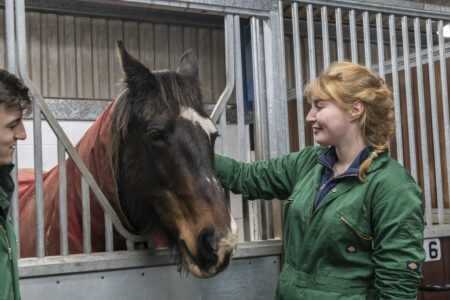
Ontario Veterinary College ranks #1 in the nation, #4 in North America, and #6 worldwide. Source: University of Guelph
University of Guelph
University of Guelph‘s Ontario Veterinary College is the oldest veterinary college in Canada and the US. Today, it is a world leader in advancing veterinary science – ranking #1 in the nation, #4 in North America, and #6 worldwide. The college’s “One Health” approach expands its impact even more. Through One Health, it aims to balance and optimise the health of people, animals, and ecosystems by recognising that the health of humans, domestic and wild animals and the wider environment are closely linked and interdependent.
Programmes benefit from this multidisciplinary spirit. Take the Master of Biomedical Sciences (MBS), for example. This one-year coursework-based programme leverages the faculty’s expertise in cellular and molecular basis of health and disease, cancer biology, comparative immunology and infectious diseases, veterinary science, neuroscience, and biomedical toxicology and pharmacology, reproductive biotechnology and stem cell and regenerative medicine. Through research projects or in-house practicum training in the skills-based or reproductive biotechnology streams, you’ll get to work with these world-renowned scientists on state-of-the-art equipment. What further sets this programme apart is how accelerated, flexible and career-focused, especially if you opt for the skills-based stream.
The Master of Public Health (MPH) is just as distinctive. It is the only MPH programme located within a veterinary school in Canada, giving you a unique perspective on the One Health approach and access to experts in zoonotic diseases and epidemiology. This ensures you will be well-trained in all areas of public health – which you’ll see come to life when you complete one or two four-month placements. It’s a great way to network and prepare for diverse public health roles, such as epidemiologists, health promotion specialists and policy analysts, or further study in medicine, other health professions, or public health.
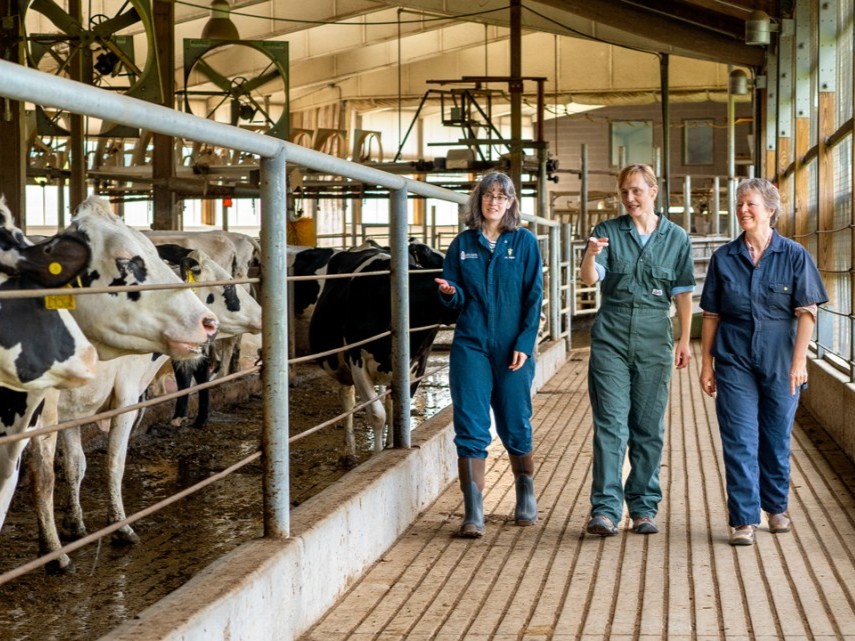
The BBS PhD programme allows you to choose one concentration and three research areas. Source: Cornell University College of Veterinary Medicine/Facebook
Cornell University
Since its founding in 1894, Cornell University‘s College of Veterinary Medicine has held the same mission to this day – to improve the health and well-being of animals and people. Today, it is the global leader in veterinary medical education, animal medicine, biomedical research, and public health.
More than 725 students are in pursuit of its four degree programmes. The first is the Biomedical & Biological Sciences (BBS) PhD Programme. At one of the premier health and medical research institutions in the country, you will rotate between three laboratories to get a quick sense of the research experience before choosing one of five concentrations that aligns with your career goals. Whether you choose Immunology and Infectious Disease, Molecular and Cellular Medicine, Population Medicine and Epidemiology, Translational Medicine, or Zoology and Wildlife Conservation, you will get the chance to conduct advanced research with a faculty of industry experts.
You can choose up to three research areas to focus on. These include Biochemistry and Cell Biology, Cancer Biology, Epidemiology, Infection and Immunity, Medical Genetics and Genomics, Neuroscience, Reproductive Biology, Stem Cell Biology, and Wildlife Conservation.
The other is the Master of Public Health (MPH) Programme. Built on the pillars of sustainability, equity, and engagement, you will learn how to ensure the health and well-being of people, animals, and the environment by preventing problems instead of just responding to them. In addition to the core public health courses, you can tailor your MPH according to four concentrations: Emergency Preparedness & Management, Environment, Climate & Health, Food Systems & Health, and Infectious Disease Epidemiology.
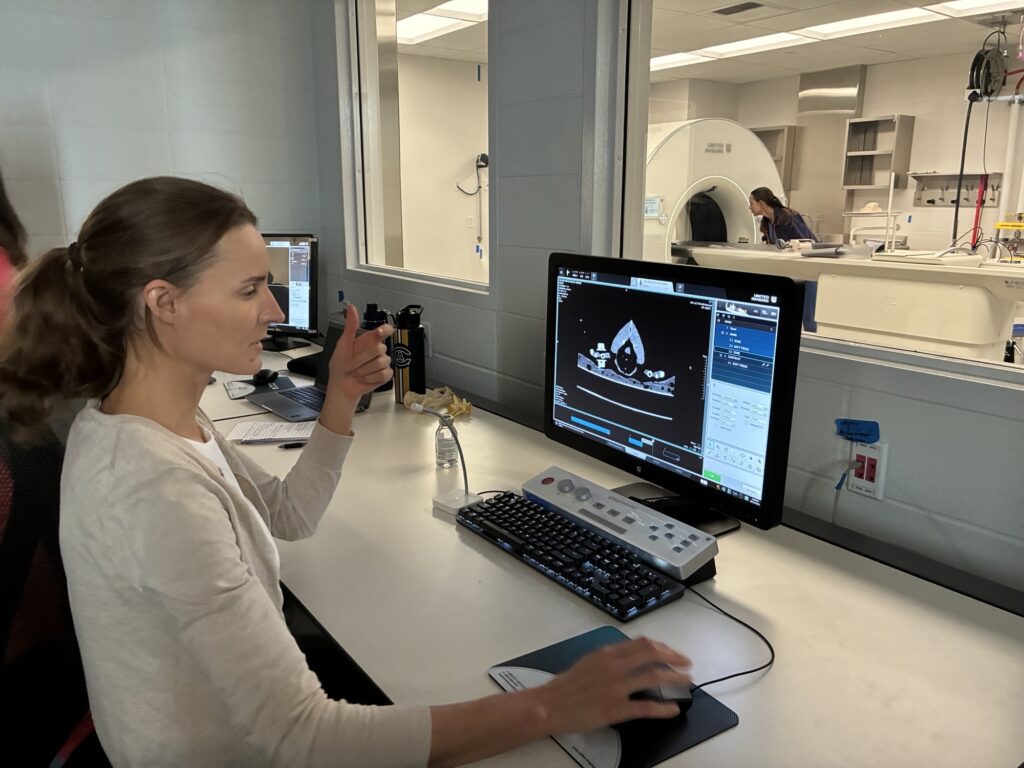
UC Davis offers a four-year curriculum leading to a Doctor of Veterinary Medicine degree, combining academic study with clinical skills training. Source: UC Davis School of Veterinary Medicine/Facebook
University of California, Davis
From California, researchers at the University of California, Davis School of Veterinary Medicine are transforming the health and care of animals, people, and the environment — contributing towards a greater economy.
With over US$60 million in annual research expenditure, the school adopts the “One Health” approach, in which different species and their shared habitats are interconnected through science. Back in 2009, its “One Health” programme was launched to care for the world’s remaining 740 mountain gorillas, alongside the people and other animals in the forests of central Africa. In 2020, researchers used the One Health framework to understand antimicrobial resistance (AMR) and its high-risk transmission routes between humans, animals, and the environment.
Board-certified faculty veterinarians use cutting-edge, modern technology at this #1 institution to make a global difference. Students can get involved by choosing one of UC Davis Veterinary Medicine’s graduate programmes. One of them is the Master of Preventive Veterinary Medicine (MPVM). Completed anywhere between one to three years, it preps veterinarians and physicians to design and evaluate disease control with expertise that bridges animal, human, and ecological issues. Courses cover Infectious Disease, Modeling, and Spatial Epidemiology. Knowledge is applied through internships, residencies, policymaking projects, and more.
If advanced training is what you seek, the Doctor of Veterinary Medicine (DVM) is the path to take. UC Davis Veterinary Medicine is currently home to about 600 professional students taking on this four-year journey of academic study and clinical skills training. It’s flexible in design, with students gaining a broad foundation of knowledge in comparative veterinary medicine before going into a species-specific stream, whether in large or small animal, mixed animal practice, public health, or other relevant areas.
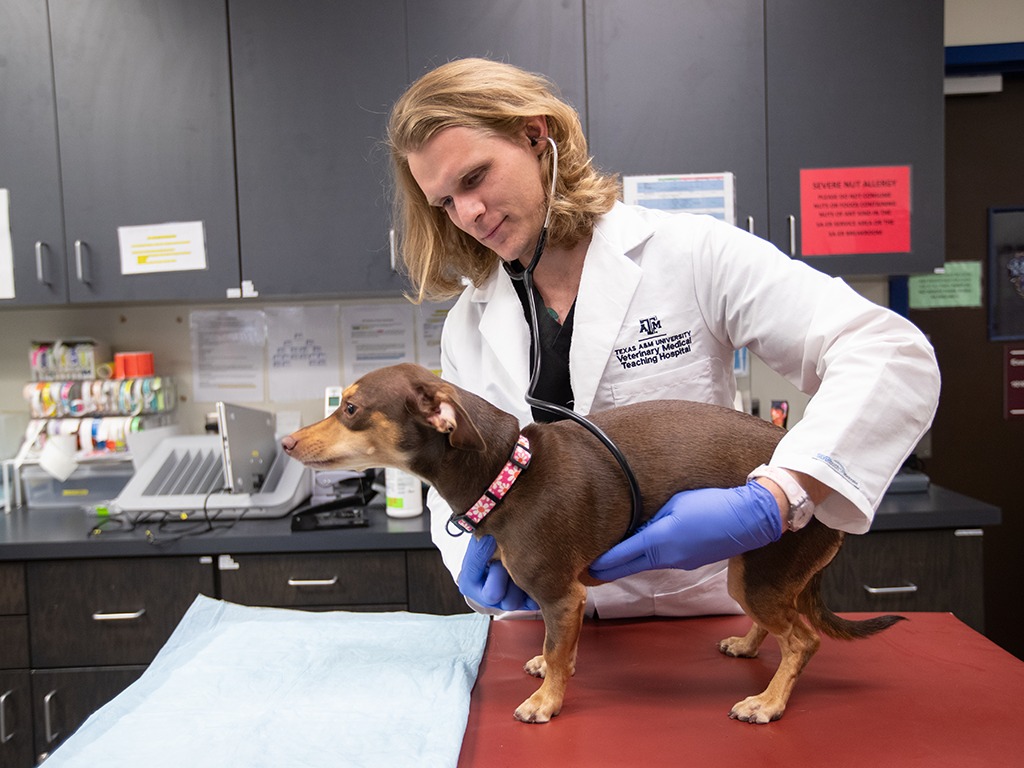
The College of Veterinary Medicine & Biomedical Sciences has been operating for more than 100 years. Source: Texas A&M College of Veterinary Medicine & Biomedical Sciences/Facebook
Texas A&M University
Innovative solutions start at Texas A&M University‘s College of Veterinary Medicine & Biomedical Sciences (VMBS). From classroom teachings, research projects, veterinary care, service, and community outreach, the college is on a mission to shape graduates who will improve animal, human, and environmental health. The VMBS offers advanced graduate degrees to help you prepare for careers in various sectors, including academia, biomedical research, animal conservation, and more.
One of them is the Biomedical Sciences (BIMS) Graduate Programme, which comes in a thesis or non-thesis option. The former lets you choose one curricular training track – either Biomedical Genomics & Bioinformatics, Diagnostics & Therapeutics, Infection, Immunity & Epidemiology, or Physiology & Developmental Biology – to tailor your curriculum according to your research interests.
The non-thesis option, on the other hand, provides a strong foundation in biomedical sciences, setting you up to achieve your goal of becoming a health professional. This is done through 30 semester credit hours of science courses and electives, as well as a capstone experience documenting your accomplishments and growth as a BIMS student.
The Veterinary Public Health & Epidemiology (VPHE) is another programme that addresses issues at the interface of animal and human health. Here, you will conduct research and learn about the acute and chronic diseases that affect domestic animals, wildlife, and humans. In addition to core courses, you are allowed to choose from 10 electives, ranging from immunology to landscape ecology, to align with your career pathway.
*Some of the institutions featured in this article are commercial partners of Study International




You might like