



Aspiring professionals in kinesiology and sports science face a wealth of career options today. Opportunities now stretch well beyond coaching to include sectors like biomechanics, rehabilitation, and corporate wellness. Securing these competitive roles often requires advanced training from a top-tier institution. The University of Regina prepares students for this through its Faculty of Kinesiology and Health Studies (KHS). With options for both Master of Science (MSc) and Doctor of Philosophy (PhD) degrees, its programmes cover health, exercise and movement sciences, adapted physical activity, therapeutic recreation, sport management, and leisure studies, equipping students with practical skills to tackle complex health challenges.
Getting admitted to these programmes, however, is not straightforward. Students must have a faculty member agree to supervise their research. Without a supervisor, admission is not possible. This step is important because graduate research combines coursework with developing as a scholar. When students and supervisors communicate well and have shared expectations, it creates a supportive environment and encourages engagement in research.
“Students will learn to ask meaningful questions, design rigorous studies, analyse and interpret complex data, and communicate their findings,” says Dr. Julia Totosy de Zepetnek, an Associate Professor in KHS. “A supportive environment with sustained mentorship where students can take intellectual risks helps them grow in these ways. All this contributes to a more productive, fulfilling, and successful graduate experience.”

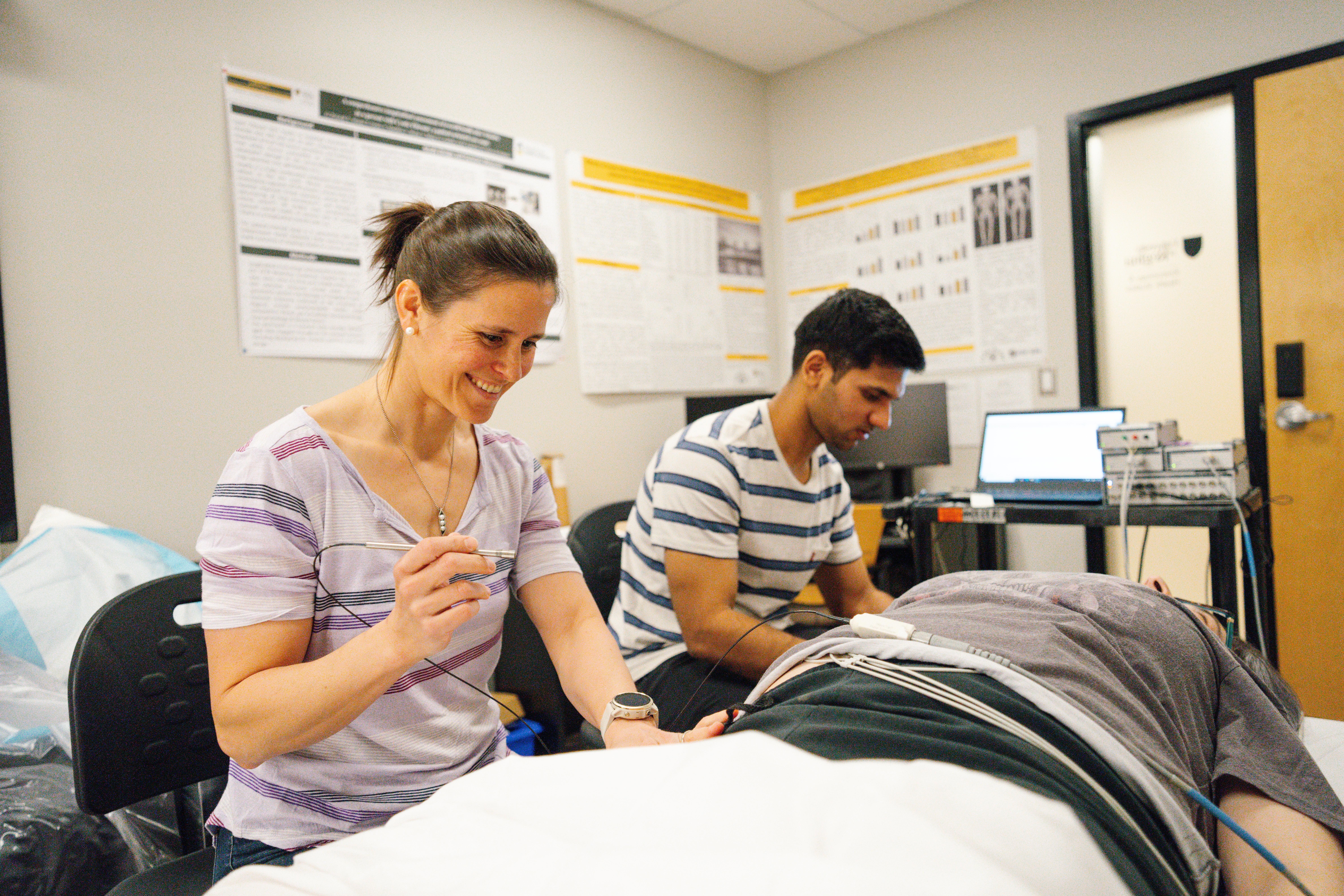
Dr. Rebecca Genoe makes her research area and interests clear to students before they apply, giving them a solid sense of the general topic before admission. Source: University of Regina
Before contacting faculty, students should clarify their own research interests. It is not enough to copy what is listed on a faculty member’s profile. They should review faculty research to find genuine alignment with their interests. KHS faculty study a wide range of topics, from nutrition and physical activity to societal questions like gender and sport. Knowing where their interests overlap with faculty expertise helps students form strong research partnerships.
This is especially important because faculty receive many supervision requests. Generic emails often do not provide enough information to assess a good fit. “It is important that students take the time to think about their research interests and only contact potential supervisors who align with those interests,” says Dr. Rebecca Genoe, Professor in the Therapeutic Recreation programme.
When deciding to supervise a student, Dr. Genoe focuses on shared research interests and compatible methodologies. “If the student is interested in exploring leisure in later life or therapeutic recreation from a qualitative lens, then I’ll explore the possibility of accepting them,” she says.
Similarly, Dr. Totosy de Zepetnek looks for alignment in research interests, readiness for graduate-level work, and clear expectations. She’s noticed that when students’ interests align with the work being done in the lab, they are more likely to remain motivated and engaged. “Lab culture is critical to me; I am selective in the students I accept, knowing that each member contributes to a productive and supportive lab environment,” she says. “This doesn’t mean they have to have everything figured out, but I look for signs of curiosity, initiative, and a willingness to learn.”
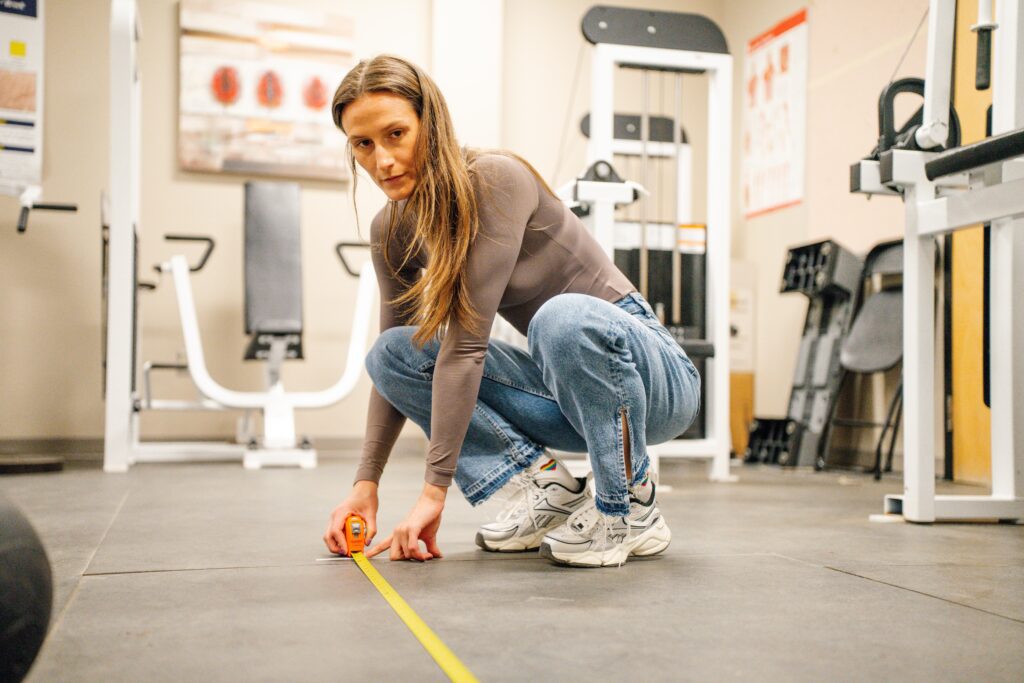
Dr. Julia Totosy de Zepetnek’s interdisciplinary focus equips students from varied backgrounds to approach their research with an interdisciplinary lens from the beginning. Source: University of Regina
Photographed by: Calvin Hui/calvinshoots.arw
Once students are accepted into the programme under the supervision of a Faculty member, they are encouraged to approach research through an interdisciplinary lens from the start. Faculty like Dr. Totosy de Zepetnek often discuss how research questions can be explored using multiple perspectives, and students are urged to consult with experts in different fields. “In KHS, we have experts in biomechanics, motor control, exercise physiology, pathophysiology, history, sport management, therapeutic recreation, and recreation management — using both qualitative and quantitative approaches to answer research questions,” says Dr. Totosy de Zepetnek.
Despite guidance from experienced mentors, students retain the freedom to conduct research independently. Dr. Totosy de Zepetnek seeks to balance support with autonomy, allowing students to develop confidence in their abilities. As students gain experience, supervision gradually shifts from hands-on guidance to advisory support.
“Following data collection, I provide varying degrees of guidance regarding statistical analyses, depending on the student’s level,” she says. “For example, at the undergraduate and MSc level, I help conduct analyses; for PhD students, I would ask that they take the lead in conducting the analyses largely independently, while being available to provide feedback and answer questions.”
This individualised mentoring style is complemented by a collaborative, student-focused environment. Dr. Genoe, for example, tailors support to each student’s needs, offering weekly meetings to some while providing primarily email guidance to others. Group activities and collaborative exercises further enhance learning. Students often rehearse thesis presentations for peers, creating opportunities to give and receive feedback in a supportive setting. These experiences not only build community but also strengthen research and communication skills.
The combination of expert guidance and a supportive environment allow students’ work to contribute to broader conversations about health and wellness. Under Dr. Totosy de Zepetnek’s supervision, one graduate student recently presented research on gut microbiota and healthy ageing at the Saskatchewan Health Authority Education Rounds.
“Another student this year gave a guest lecture in my undergraduate nutrition course on fad diets,” she says. “He sparked a lively conversation that helped students connect the science of nutrition learned in class to the real-world consequences of diet trends on health.”
Learn more about joining the University of Regina’s Faculty of Kinesiology and Health Studies.
Follow the University of Regina on Facebook, Instagram, YouTube, TikTok and LinkedIn