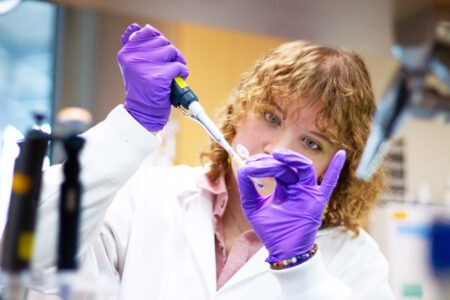


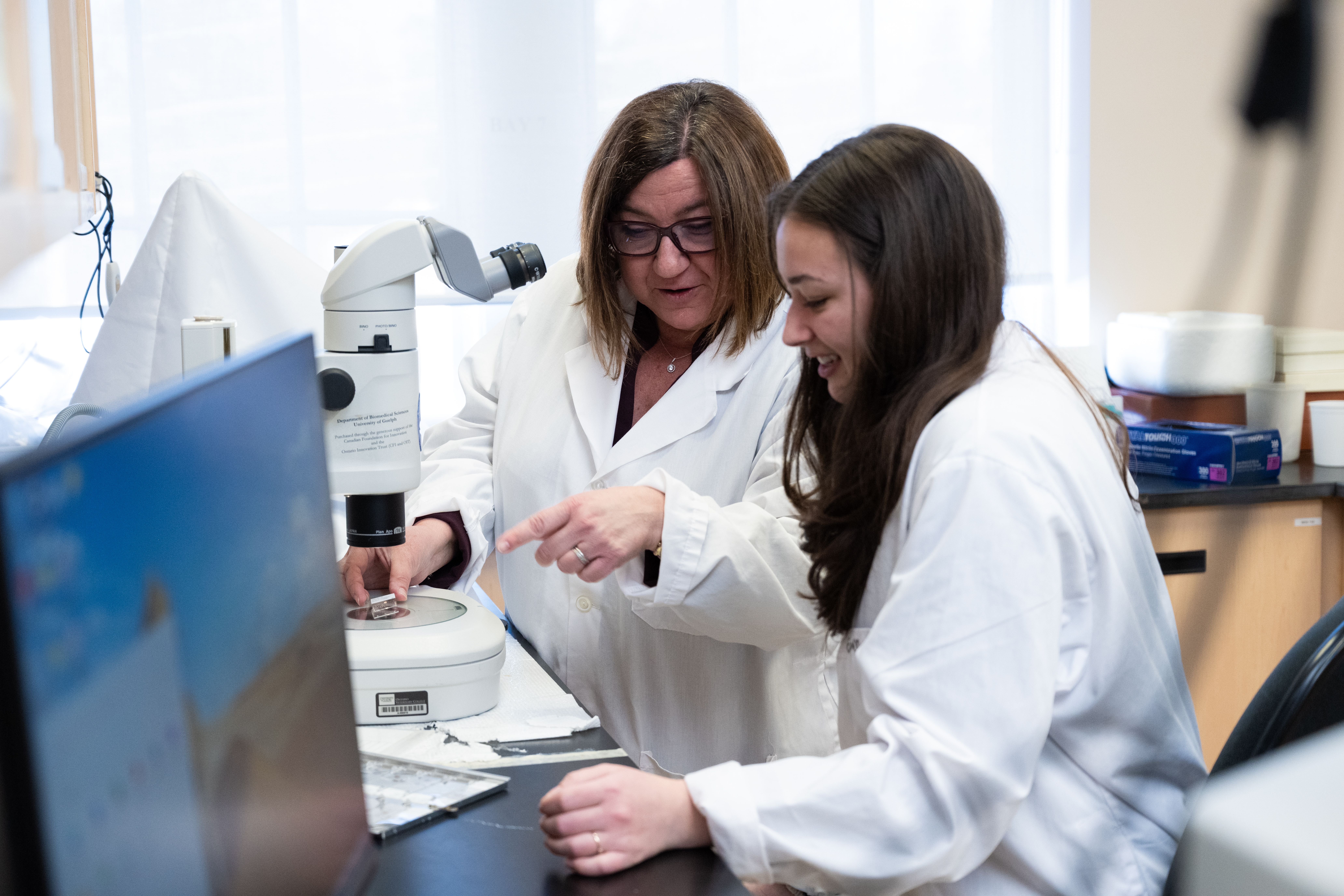


The field of biomedical science is vast, with career opportunities in healthcare, veterinary medicine, government, as well as biomedical, pharmaceutical or diagnostic research. The Master of Biomedical Sciences (MBS) programme at the University of Guelph prepares students for these diverse paths as well as further study such as MSc and PhD programmes, medical or veterinary medical school, and other highly competitive professional degrees.
Spanning one year, this programme covers several popular fields of study, including: Cellular and Molecular Basis of Health and Disease, Comparative Immunology and Infectious Diseases, Stem Cell and Regenerative Medicine, Veterinary Sciences, Neurosciences, Cancer Biology, Biomedical Toxicology, and Pharmacology and Reproductive Biotechnology.
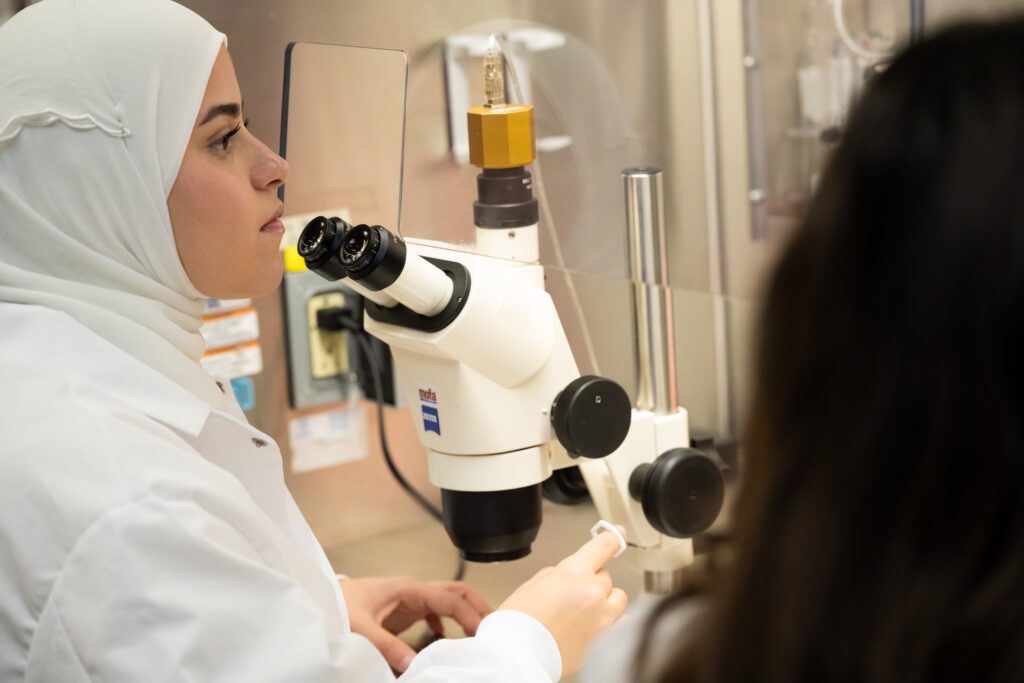
The University of Guelph is training the next generation of health leaders, driving discovery and sharing expertise to enhance global health and well-being. Source: University of Guelph
After earning an undergraduate degree in biomedical sciences at the University of Guelph, Ola Davis stayed on to pursue the MBS. Research was a big part of her experience, and why she calls the programme “special.”
“The reason we can [conduct research] – and what I think makes U of G really stand out – is this experiential learning aspect and having access to specimens locally (the lab partners with genetics company Semex and the Cargill protein processing facility in Guelph),” she says.
After the MBS degree, Davis went on to work as an andrologist, and soon advanced to become an expert in In Vitro Fertilisation (IVF) procedures. As her long-term goal was to manage the operations of a lab within an IVF clinic, she returned to the University of Guelph to pursue a PhD in Biomedical Sciences.
Such trajectories are common among MBS graduates from the University of Guelph.

The Master of Biomedical Sciences programme trains graduates for careers in health care, veterinary medicine, government, and biomedical, pharmaceutical, or diagnostic research. Source: University of Guelph
Accelerated, flexible and career-focused programme
For the third year in a row, the University of Guelph has ranked in the top 150 in the world for life sciences in the 2026 Times Higher Education (THE) World University Rankings by subject. In Canada, it ranks fifth in life sciences.
The university is also third among Canadian comprehensive universities in an annual survey of top research institutions. In 2025, the University of Guelph ranked second among comprehensive institutions for research income, holding the same position as in 2024.
“These rankings affirm our role in advancing knowledge and delivering solutions that improve life in our communities and beyond,” says Dr. Shayan Sharif, interim vice-president of research and innovation.
Choose the path that fits you
The programme offers several pathways: Research-Based, Skills-Based, Biological Toxicology and Pharmacology, Reproductive Biotechnology, as well as Collaborative Specialisations.
Skills-Based MBS
The Skills-Based is the newest MBS option. It focuses on intensive, experiential training through coursework and a laboratory practicum. Students master essential techniques, including DNA and RNA analysis, cell culture, microscopy, histology, immunohistochemistry, PCR, and Western blotting.
More MBS student success stories
“The MBS programme allowed me to develop advanced research skills in veterinary neuroscience while working with clinicians and mentors who genuinely support student success,” says graduate Amir Heidari. “It provided a clear path toward my career goals and gave me unique hands-on experience that I couldn’t have gained in any other graduate programme.”
Through this pathway, Heidari strengthened his expertise in veterinary neuroscience, enhancing his clinical skills and expanding his potential impact as a veterinarian. Peers pursued careers in healthcare, pharmaceutical and industry sectors, and entered professional programmes including MD, DDS, DVM, RN and PharmD.
Industry partnerships provide even more opportunities for professional growth and real-world experience. Just ask Benjamin Arceneaux, who completed an MBS with a Collaborative Specialisation in Toxicology.
“The coursework allowed me to expand my understanding of various areas of toxicology including drug development, food safety, and more,” he says. “My practicum placement took place at SGS Nutrasource, a contract research organisation and consulting firm located across the street from U of G’s main campus. This experience allowed me to apply my knowledge of toxicology in the context of regulatory affairs for the food and supplement industries.”
Interested in learning more? Visit the MBS programme page and connect with a programme advisor to explore flexible pathways and fields of study tailored to your goals.