


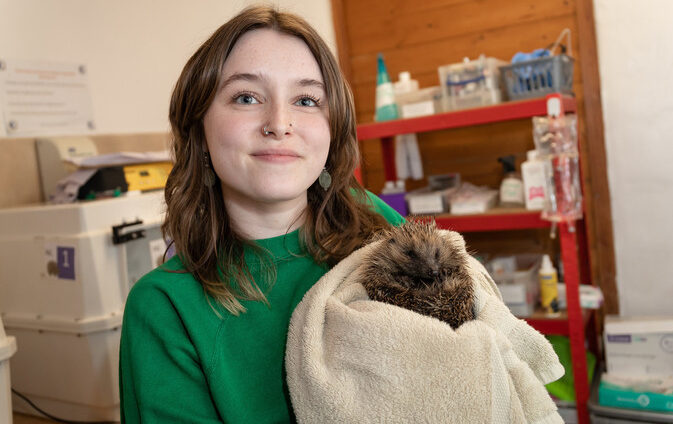


In one UK university, researchers are studying how bats support ecosystems while also helping protect the Grenada Dove, Leptotila wellsi, one of the world’s most endangered birds. Then there are students who go on to land dream jobs such as Wildlife and Wellbeing Officer at Chester Zoo after making it to the finals of the Nature Storyteller of the Year for writing a book “The Blight’s End.”
That UK university is the University of Chester and those stories come from its School of Natural Sciences (SNS).
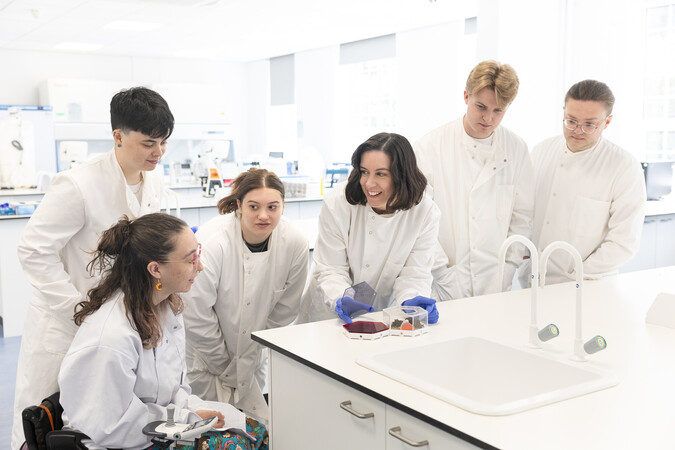
At SNS, physics, chemical engineering, biotechnology, animal behaviour, animal welfare, and conservation biology experts bring their expertise into specialist laboratories. Source: University of Chester
Interdisciplinary science for the natural world
At SNS, everything here is designed to connect what you learn to what actually matters. You’ll develop key skills in molecular biology, DNA profiling, evidence analysis, chemical processing, and sustainability through Biological and Chemical Sciences, while Animal and Marine Sciences explores animal health and conservation. And when you move into postgraduate study, it’s all about innovation and making an impact in healthcare, animal science, and more.
SNS is unique for its cross-disciplinary postgraduate programmes that fuse biology, chemistry and physics to give you a broader perspective on the natural world. Its Animal Behaviour MSc, for example, is where you can get hands-on with issues like making life better for animals in captivity or tackling environmental challenges.
And because Chester’s close to zoos, nature reserves, and national parks, you’ll get to learn outside the classroom as well. “Completing a year‑long industry placement at Chester Zoo has greatly strengthened and expanded the skills and knowledge I gained during my Animal Behaviour MSc with Placement, giving me the chance to work on projects with real‑world impact,” says student Megan Jones. “Being part of a professional environment filled with like‑minded academics and passionate animal scientists has also boosted my confidence enormously throughout the placement.”
Meanwhile, with the rapid decline of global biodiversity, there’s never been a greater need for skilled conservation professionals. That’s where SNS’s Wildlife Conservation MSc comes in. The programme is a mix of fieldwork and lab sessions, so you’re not just learning theory. You’ll cover key areas like Geographic Information Systems (GIS), statistical techniques, population and habitat management, plus newer topics including wildlife crime, conservation physiology, and conservation genetics. There’s also a field course where you’ll build on-the-ground surveying and monitoring skills taught by conservation and research-active scientists who are helping protect globally threatened species, such as the Giant Pangolin and Hispaniolan Amazon.
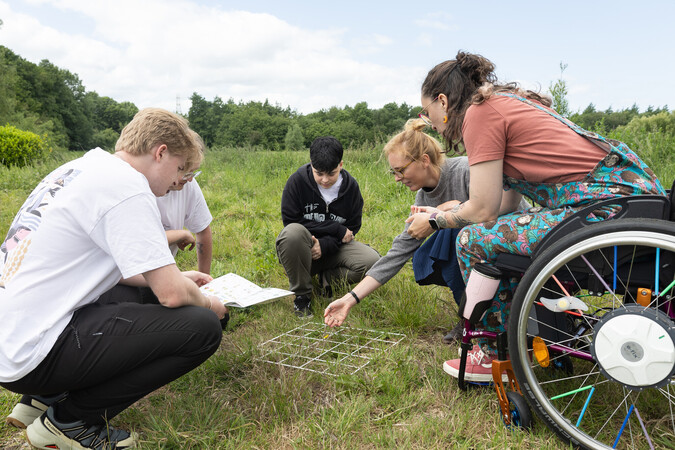
The Wildlife Conservation MSc includes lab work in genetics and endocrinology, as well as a residential field course. Source: University of Chester
A support system designed around you
A hallmark of a quality UK education is the personalised support you get, and that’s definitely the case at SNS. “Academic staff are highly knowledgeable in their fields and bring industry-relevant insights to teaching and assessment design, thereby enhancing students’ transferable academic skills and supporting their career aspirations,” shares Joshua, an international student on the MSc Animal Behaviour with Professional Placement. “One-to-one feedback on assignment drafts and topic proposals builds student confidence and supports the learning process, enabling students from diverse academic backgrounds or those returning after a long academic gap to catch up more easily.”
If you need a bit of extra help with assignments, you can always turn to the Academic Skills team (ASk). Their advisors are friendly and easy to talk to. And whether through interactive online resources, engaging workshops and webinars, or personalised one-to-one sessions, you’ll find guidance tailored to your needs.
Looking after your well-being is just as important as your academic success. The Wellbeing and Mental Health team offers a safe, confidential space where you can speak openly with a Student Wellbeing Adviser. Flexible appointments are available in person, online, or by phone, with same-day support for urgent situations.
There are workshops and activities throughout the year too, such as “Look After Your Mate,” a great initiative that lets you look out for your community as well as yourself. There are many other peer support groups where you can connect with people who get what you’re going through. It’s an entire ecosystem designed to help you stay balanced, build confidence, and prepare for your future.
Follow the University of Chester on Facebook, Instagram, TikTok, YouTube, and LinkedIn