
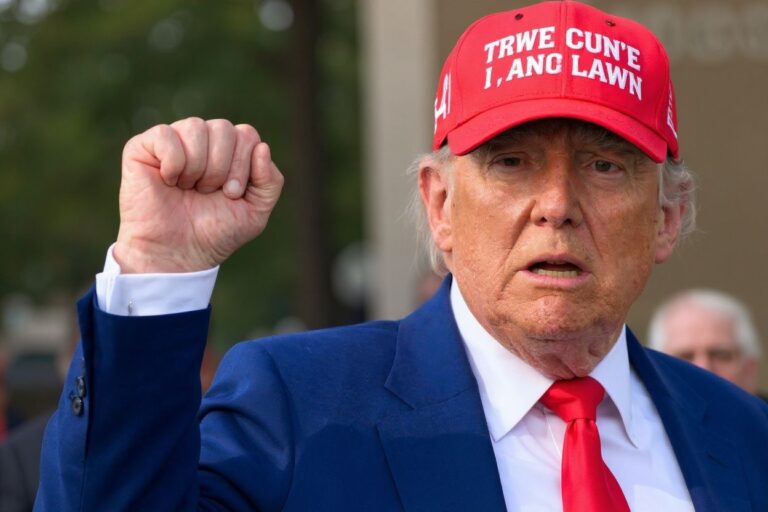


US President Donald Trump’s international student ban has left many – those already in the US, those about to go there, and those thinking about applying for a US university – confused.
From March 2025, hundreds of international students in the country had their visas stripped with little to no explanation. While the US government said this is because these immigrants threaten national security (and some who have broken laws, such as driving under the influence), legal experts have come out to say that part of this has been a targeted attack on free speech rights.
From Ranjani Srinivasan, a Columbia University PhD candidate from India, to Rumeysa Ozturk, a Turkish citizen and graduate student at Tufts University, and to Momodou Taal, a dual UK and Gambian citizen and Cornell graduate student, the cases keep piling up.
It can be overwhelming to keep updated on all the things happening, so Study International has put together a list to help you stay on track:
4 really important things to know about Trump’s international students ban

Even social media isn’t spared from Trump’s international students ban.
Be careful of what you say online
On May 27, 2025, Trump’s administration ordered embassies abroad to stop scheduling new visa interview appointments for students and exchange visitors.
The State Department is reportedly planning to include the screening of an applicant’s social media in the application process.
Fast forward to June 18, 2025, and the plans have been unveiled.
“We use all available information in our visa screening and vetting to identify visa applicants who are inadmissible to the US, including those who pose a threat to US national security,” wrote the state in their announcement.
The “available information” in question include your social media posts.
Anyone applying for US student visas must now make their social media accounts public for enhanced vetting. Refuse to unlock your social media accounts for their review and your application may be rejected.
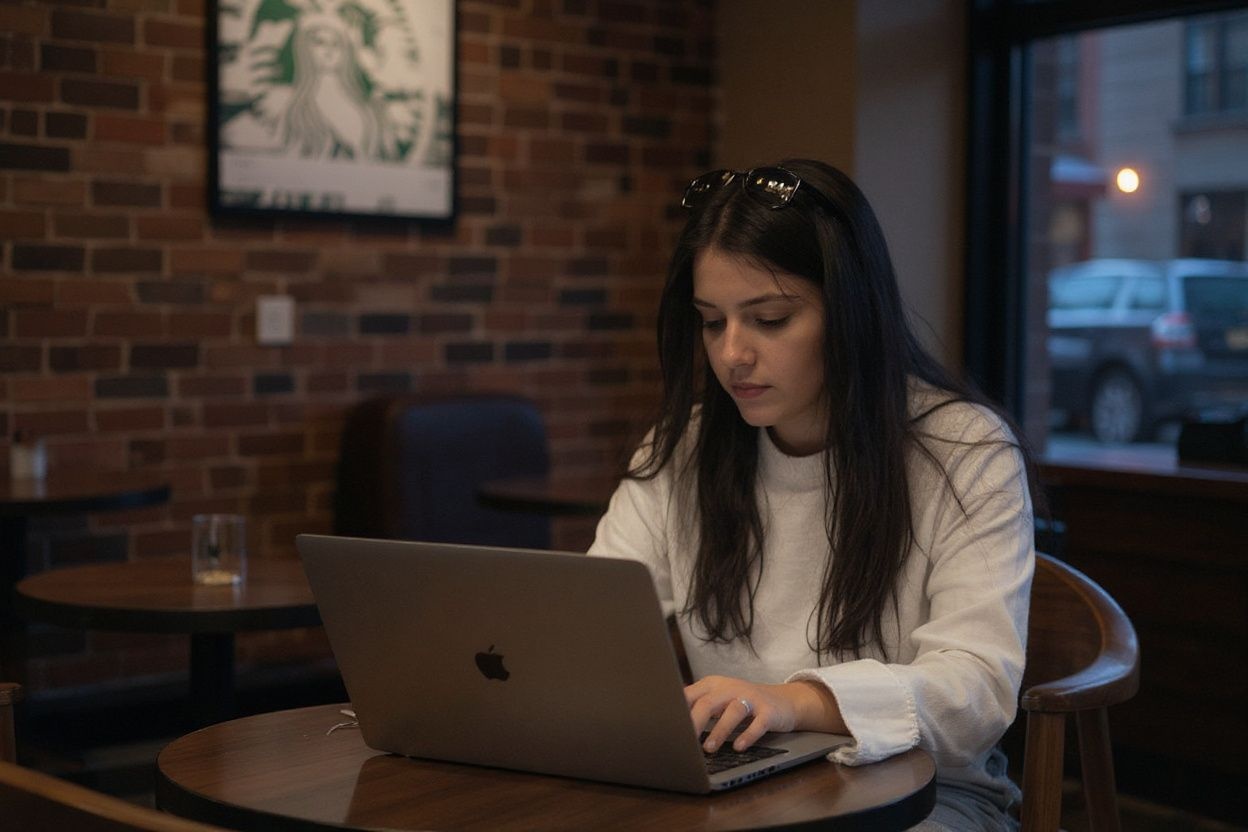
A really big blow that could come from Trump’s international students ban plans is the removal of the Optional Practical Training.
The uncertain future of Optional Practical Training
Many international students in the US, especially those on the F-1 student visa – the primary visa for students attending accredited colleges, universities, or other academic institutions – plan to take part in Optional Practical Training (OPT), a programme that lets them gain work experience for up to one year during or after completing their studies.
Oftentimes, an OPT is a step towards securing the H1-B visa, which allows you to be legally employed by US employers.
Trump’s nominee for director of US Citizenship and Immigration Services, Joseph Edlow, wants to “remove the ability for employment authorisations for F-1 students beyond the time that they are in school,” in effect ending post-graduation OPT.
“I think the way in which OPT has been handled over the past four years, with the help of certain decisions coming out of the D.C. Circuit Court, have been a real problem in terms of misapplication of the law,” said Edlow during the Senate Judiciary Committee on May 21, 2025.
While nothing is set in stone yet, this is something to keep an eye and ear out for.
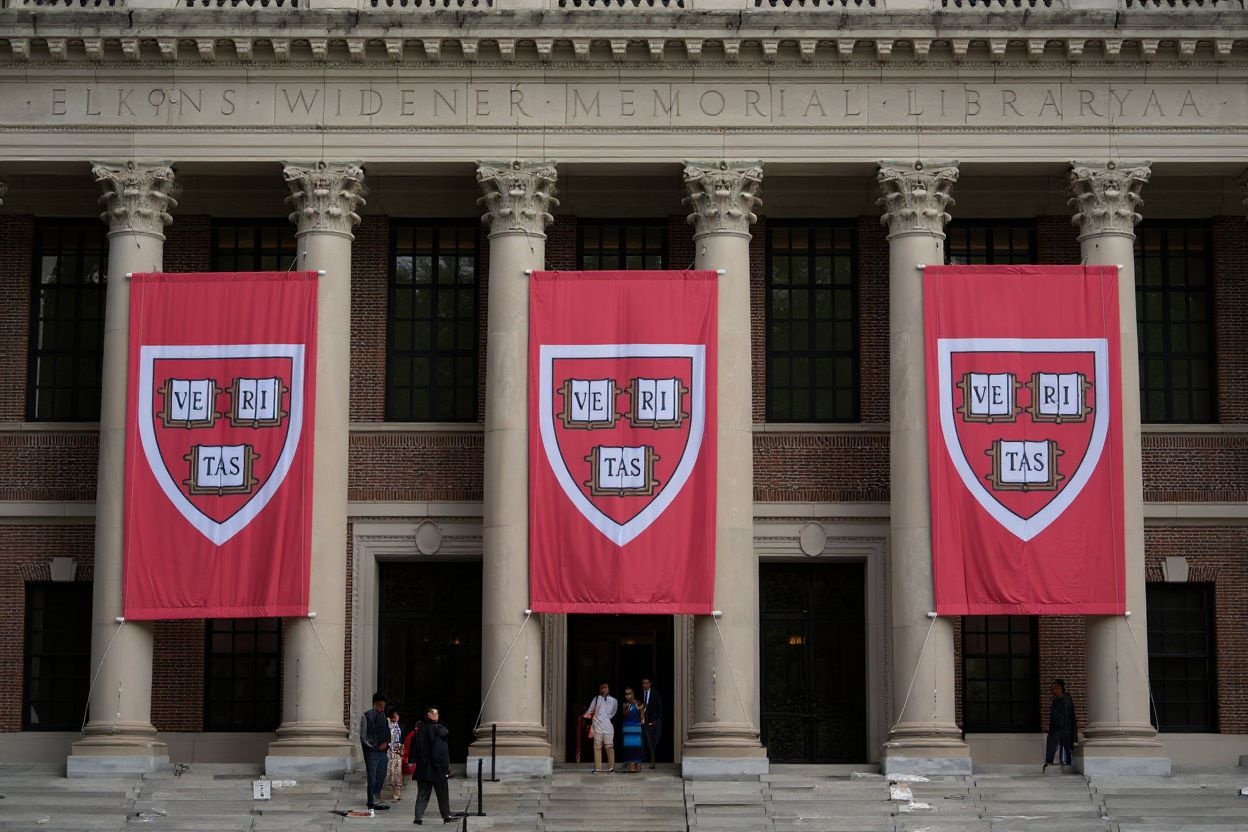
The good news from Trump’s international students ban is that Harvard is being no pushover in the matter and is doing their best to protect their international students.
Harvard vs. Trump: Immovable object meets unstoppable force?
It’s impossible to speak of Trump’s international students ban without at least summarising the showdown between the president and Harvard University.
Since March 31, 2025, the Trump administration has:
- Demanded that Harvard make significant changes in how it operates (such as “reducing the power held by faculty and administrators more committed to activism than scholarship” and “shutter all diversity, equity, and inclusion (DEI) programmes, offices, committees, positions, and initiatives, and stop all DEI-based policies.”)
- Revoked Harvard’s ability to enrol international students, which has been blocked by a federal judge
- Threatened the university’s tax-exempt status, which could cost the school hundreds of millions of dollars each year and affect its operations
- Proposing to increase the tax that some elite universities pay on the investment returns of their endowments from 1.4% to as high as 21%, which could negatively affect the school’s ability to offer financial aid packages to poorer students.
It’s worth noting that Harvard has put up a strong front in fending off many of these attacks, but the final victor in this fight remains up in the air.

President Donald Trump has expanded the US international student ban to five more countries. Source: Pexel
Countries affected by Trump’s international students travel ban
The US has expanded its travel ban and visa restrictions, with the updated rules taking effect from January 1, 2026.
The updated policy now includes more countries, divided into two groups: countries that are fully banned, where most student visas are not issued, and countries that are restricted, where visas are still possible but harder to get.
Nigeria has been added to the restricted list, meaning it is not completely banned, but students will face stricter checks.
Other countries on the list include nations in Africa, the Middle East, the Caribbean, and parts of Latin America, with restrictions applied due to concerns over security checks, overstay rates, or information sharing with the US government.
If you are from a banned country, studying in the US will be very difficult unless you qualify for a special exception. If you are from a restricted country like Nigeria, you can still apply for a student visa, but you should expect longer wait times, more paperwork, and less certainty.
If you already have a valid US student visa, it usually remains valid, and you can continue your studies — but travelling outside the US and applying again may be risky.
Disclaimer: This article was last updated on January 5, 2026.