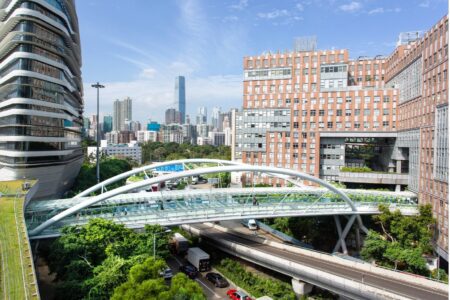

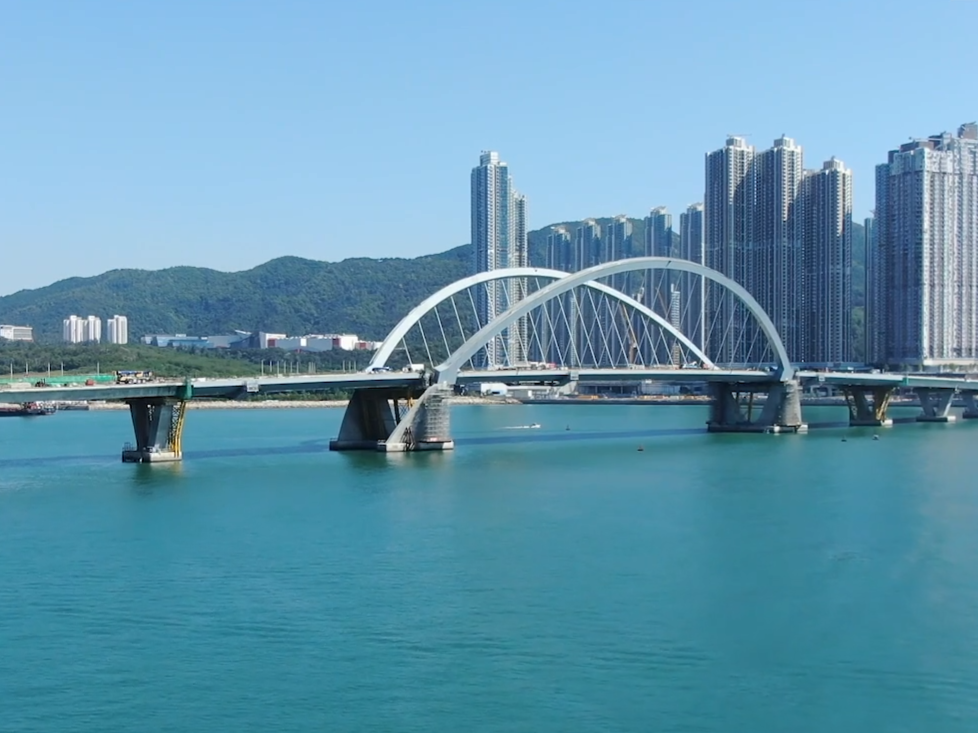


Today, cities expand upward and outward, climate change intensifies, and digital technologies transform how societies function. In Hong Kong, these changes are playing out through its Northern Metropolis, one of the country’s most ambitious infrastructure plans. Spanning 300 square kilometres, the area more than twice the size of San Francisco involves the development of an IT hub near the border with mainland China, building of up to 186,000 homes and a new railway linking the city to the Qianhai economic zone in Shenzhen.
These advancements are a clear reminder of why civil and environmental engineers are more important than ever. Preparing you to meet these opportunities head-on is the Department of Civil and Environmental Engineering (CEE) at The Hong Kong Polytechnic University (PolyU). With a wide portfolio of undergraduate programmes, such as the Bachelor of Engineering (Honours) in Civil Engineering and the Bachelor of Engineering (Honours) in Environmental Engineering and Sustainable Development, and master’s programmes too, CEE equips future engineers with the technical expertise and ethical grounding needed to become the kind of engineers the world needs.
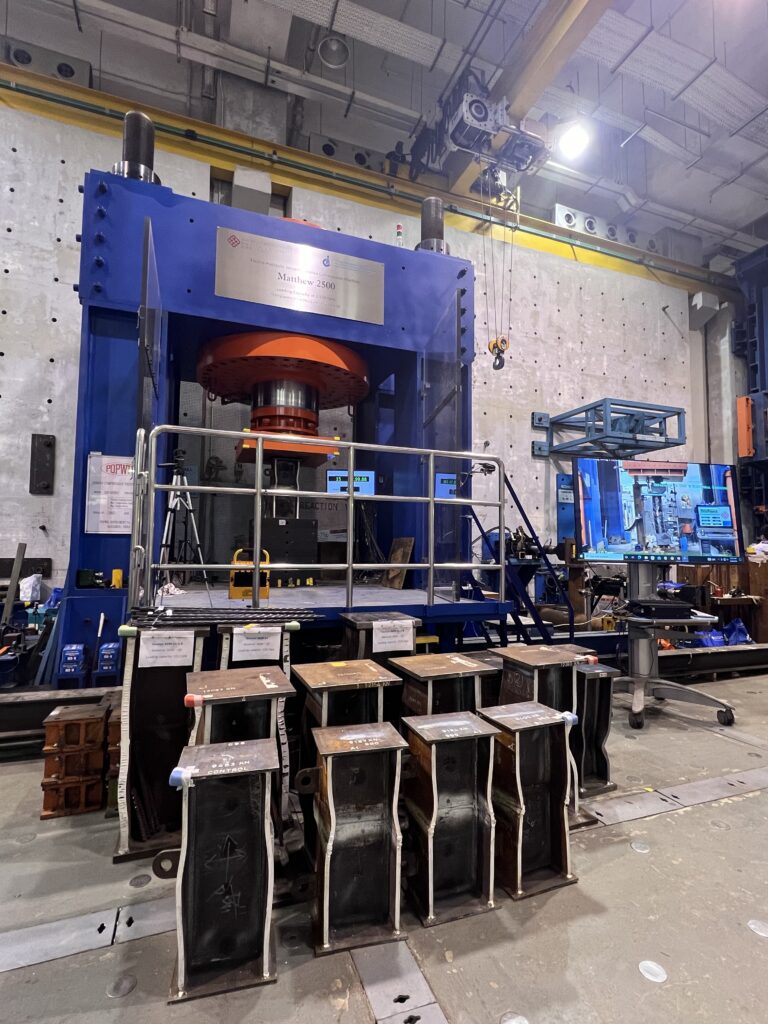
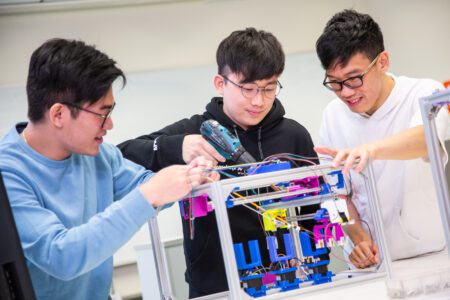
CEE students learn in state-of-the-art facilities, including 31 laboratories, PolyU Industrial Centre, and more, where the latest technologies and equipment are showcased. Source: The Hong Kong Polytechnic University
Engineering excellence with global reach
The CEE works on sustainable infrastructure solutions for Hong Kong and beyond, while connecting research with industry and society. That real-world focus shows up in a broad, interdisciplinary curriculum covering structural, geotechnical, hydraulic, transportation and environmental engineering.
As CEE takes an outcome-oriented approach, you’ll build critical thinking and all-round skills through “active classrooms.” They include interactive lectures, tutorials, laboratory work, experiential learning, problem-based learning, self-directed learning, e-learning, site visits, fieldwork, and technical seminars.
This learning style runs through the CEE’s two master’s programmes, open to both graduates and professionals. They focus on real-world application, interdisciplinary thinking, and the latest engineering technologies.
If you’re interested in exploring general civil engineering, structural engineering and transportation engineering, the Master of Science in Civil Engineering is designed for you. Through courses such as Drainage Design, Transport Management, and Port Policy and Management, you’ll learn to think strategically and tackle real-world engineering challenges. Reflection and professional practice enhance courses even more. As a result, graduates leave ready to work with modern construction technologies.
The Master of Science in Environmental Management and Engineering gives you the engineering and management know-how to tackle environmental challenges in construction, industry, and infrastructure projects. It has flexible study options, whether you want to build advanced expertise or transition into an environmental role.
And with a range of subjects to choose from, including Water and Wastewater Treatment, Sustainable Development and Environmental Planning, and Low-Carbon Construction Materials, you can tailor your learning across environmental engineering, environmental management, and carbon neutrality to suit your needs.
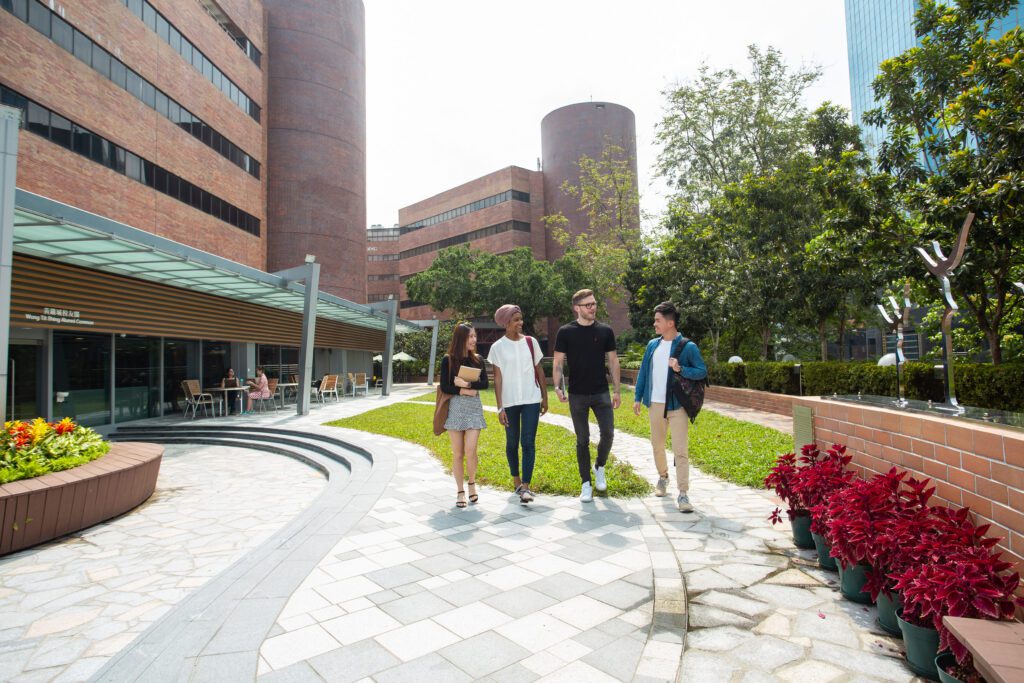
PolyU’s learning environment supports the development of essential skills, including global awareness, problem-solving, communication, teamwork, leadership, and lifelong learning. Source: The Hong Kong Polytechnic University
Whichever programme you choose, you’ll be learning from CEE academics who are internationally recognised for research that’s innovative and makes a real impact. It’s this focus on excellence that puts the department among global leaders: #2 globally and #1 in Hong Kong in the US News & World Report Best Global Universities Rankings 2024-2025 for Civil Engineering, #3 globally and #1 in Hong Kong in Shanghai Ranking’s Global Ranking of Academic Subjects 2025 for Civil Engineering, and #17 globally in the QS World University Rankings by Subject 2025 for Civil and Structural Engineering.
CEE’s global standing isn’t built on its programmes alone. What distinguishes CEE is how its academic strengths are closely connected to industry and society. Its partnerships with alumni, industry leaders, government bodies, and the wider community turn research into real-world solutions that improve engineering practice and drive technological progress. They create valuable learning experiences for students as well, including internships, joint projects, and professional development.
What’s more, supported by the Department’s reputation and a powerful alumni network, graduates are equipped to thrive in Hong Kong’s dynamic job market and across the global engineering industry. For international students, the Hong Kong Special Administrative Region (HKSAR) Government has introduced the Immigration Arrangements for Non-Local Graduates (IANG) scheme. It offers a pathway to stay and work in Hong Kong after graduation.
Follow the Department of Civil and Environmental Engineering on Facebook, YouTube, Instagram, and LinkedIn