




Who says changing the world is only for scientists and engineers? Graduates of the Arts, humanities, and social sciences make an impact too — and in more places than you might realise.
They become visionaries, artists, teachers, lawyers, economists, and social workers. They work in banking, communications, government, culture, and the creative industries. Some even rise to the highest levels of leadership and politics.
What makes these graduates so versatile? Experts have long pointed at their arts and social sciences education. It emphasises some of the most transferable skills today, from creative thinking and resilience to flexibility and leadership. Employers who took part in the World Economic Forum’s Future of Jobs Report 2025 certainly think so, ranking these very skills as the most in-demand today. The next question then is: where can you develop these skills? Here are three universities to help you get started:
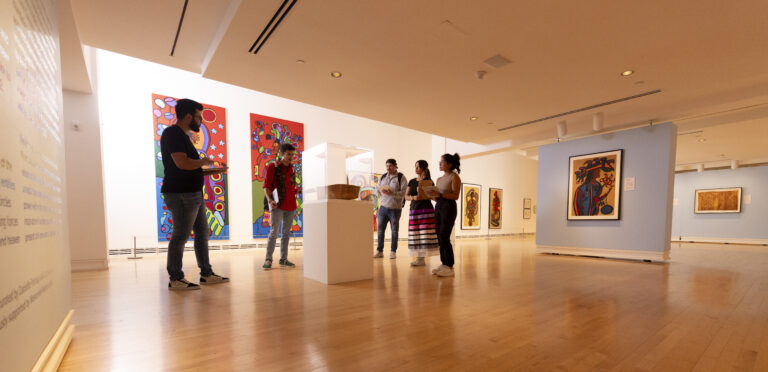
An Arts and Social Sciences education at Carleton helps you understand some of today’s most important issues, such as social justice, mental health, sustainability, and decolonisation, and explore creative ways to make a difference. Source: Carleton University
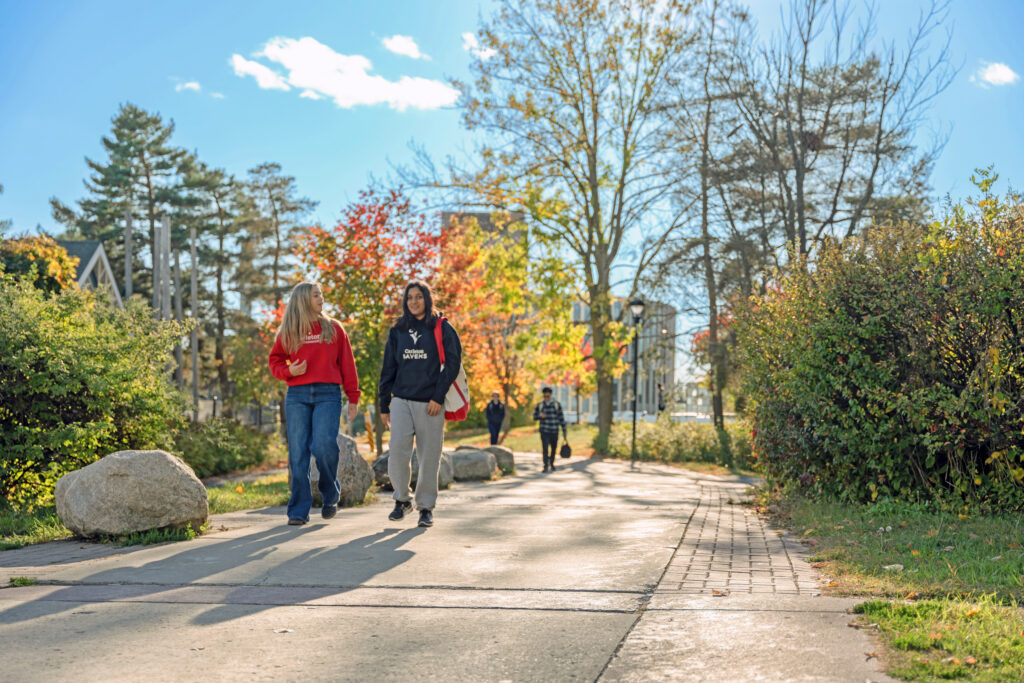
An Arts and Social Sciences education at Carleton helps you understand some of today’s most important issues, such as social justice, mental health, sustainability, and decolonisation, and explore creative ways to make a difference. Source: Carleton University
Carleton University
An arts and social sciences education at Carleton University helps you understand the people, ideas and systems shaping our world while developing your ability to think critically, communicate clearly and approach complex problems from different perspectives. These are skills you can carry into almost any career or industry.
Whether you already have a career in mind or are still discovering where your interests might lead, you’ll develop the adaptable, in-demand skills that open doors to a wide range of rewarding opportunities. At Carleton University’s Faculty of Arts and Social Sciences, you can choose from over 30 undergraduate programmes spanning the arts, humanities, and social sciences, while building a versatile foundation for work, further study and a changing world.
The faculty’s interdisciplinary approach gives you room to explore different interests, connect ideas across fields and shape an education around your goals. There are a wide range of degree options to explore, including Sociology (BA), Psychology (BA and BSc), Environmental and Climate Change Studies (BA), History and Theory of Architecture (BA), Human Rights and Social Justice (BA), Geomatics (BA and BSc), and more.
You’ll pursue that education within close-knit academic communities, supported by professors who want to see their students succeed. Small first-year seminars make it easier to connect with classmates and professors from day one, while opportunities to study across disciplines help you approach complex questions from different perspectives.
Learning at Carleton also extends well beyond the classroom. Through co-op programmes, practicums, field courses, community partnerships, student research and international experiences, you can put your knowledge into practice, build professional relationships and develop skills that travel across industries and careers.
Carleton’s location creates even more possibilities. You’ll study in Ottawa, Canada’s capital, with government departments, NGOs, embassies, museums, research centres and a growing technology sector all nearby. The faculty is also home to distinctive cultural spaces, including the Carleton University Art Gallery, Kailash Mital Theatre and the Carleton Dominion-Chalmers Centre, a major arts and performance venue in downtown Ottawa.
At the same time, Carleton’s green, self-contained campus sits beside the historic Rideau River, offering a quiet place to study, spend time with friends or take a break from the city. You may even encounter the much-loved groundhogs that make their home on campus.
For an international student, it’s a great balance: a welcoming campus community, the experiences and connections available in a national capital, and an education that prepares you to build skills in critical thinking, writing, collaboration, adaptability, and leadership before you graduate.
Boston College
Think a liberal arts education is just about reading books and writing essays? There’s a lot more to it than that. With Boston College’s Morrissey College of Arts and Sciences, you’ll build skills employers value, including critical thinking, creativity, and communication.
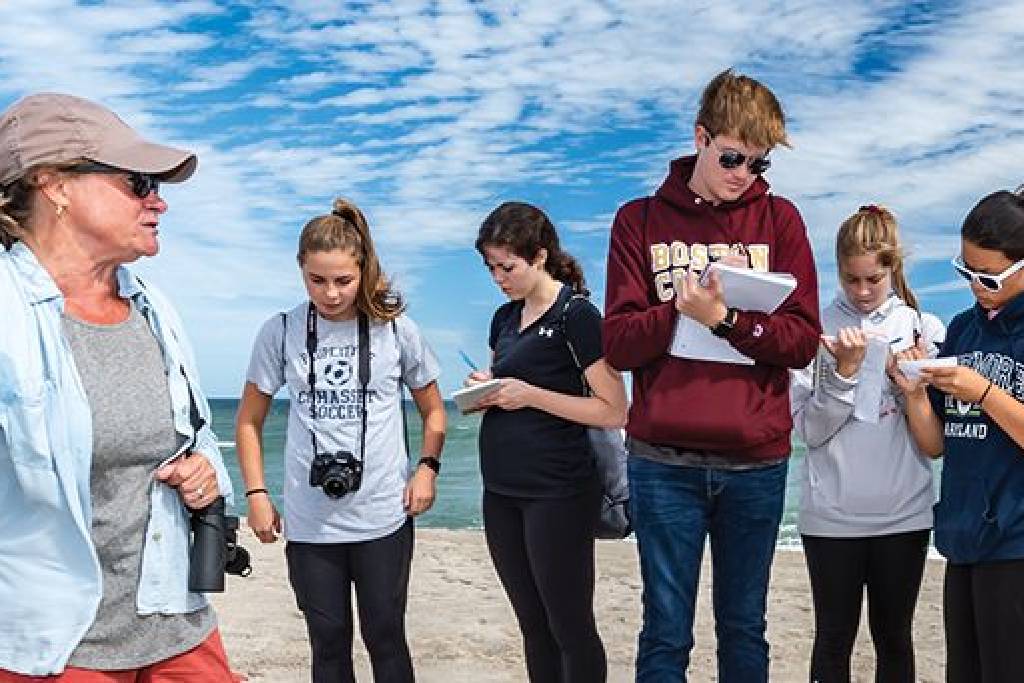
Morrissey College students and faculty from different fields come together through the Core Curriculum, the Institute for the Liberal Arts, the upcoming Institute for Integrated Science and Society, and various research projects. Source: Boston College
Its undergraduate programmes explore a mix of subjects, from arts, cultural diversity, literature, and mathematics to natural science, philosophy, social sciences, and writing. Faculty are leaders in their fields. Eventually, those different pieces come together in senior year, where the Capstone Seminar Programme gives you space to link what you’ve learned with your co-curricular experiences and reflect on how you’ve developed academically and personally. Throughout your journey, the Academic Advising Centre is there to offer guidance, inspired by one of the college’s core values, “Cura Personalis” or “Care for the Whole Person.”
Your learning unfolds in the heart of Boston College’s Chestnut Hill Campus, where nearly 80% of undergraduates live in one of , thus creating a lively student community right where you study. There’s access to 24/7 health services, more than 300 student-run clubs and cultural organisations, and sports activities too. Plus, when you want a change of scenery, Boston is waiting; explore its history and culture, discover its growing science and technology scene, or start building professional experience through internship opportunities.
Undergraduate research opportunities are a hallmark of Texas A&M’s arts and sciences programmes. You can take part in graduate-level research from your first year, no matter your area of study. Source: Texas A&M University
Texas A&M University
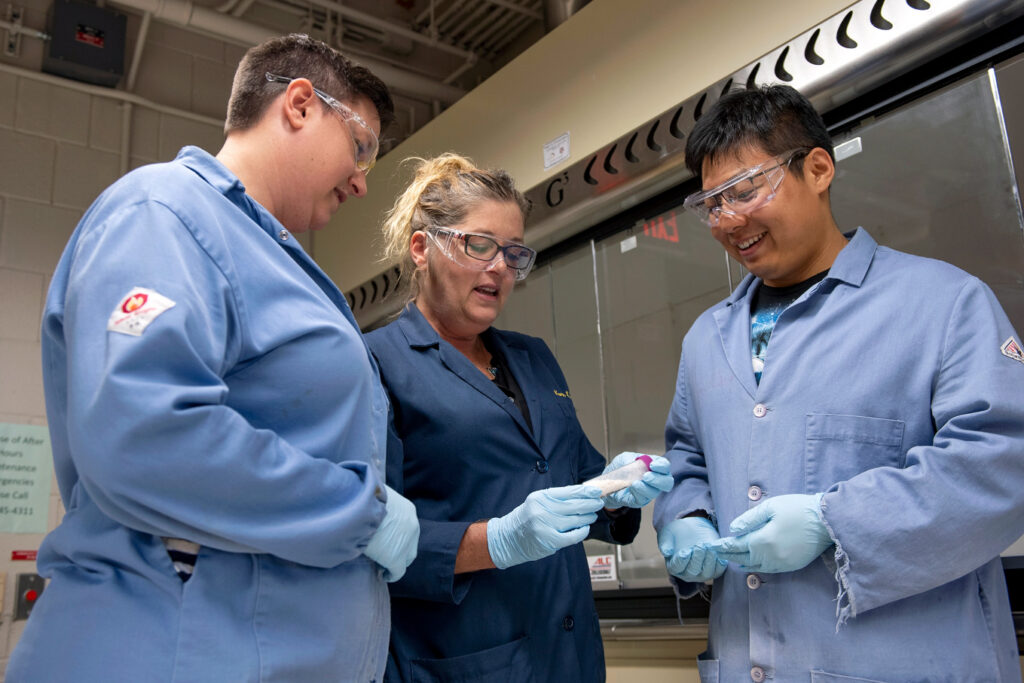
Undergraduate research opportunities are a hallmark of Texas A&M’s arts and sciences programmes. You can take part in graduate-level research from your first year, no matter your area of study. Source: Texas A&M University
With 130+ programmes to explore, hundreds of student organisations to join, and more than 17,000 fellow students to meet, preparing for your dream career in arts and sciences at Texas A&M University could be easier than you think. Its College of Arts and Sciences brings together 18 departments that offer rigorous undergraduate programmes designed to help graduates stand out — and the classroom is only the beginning.
Opportunities to conduct groundbreaking research allow you to put your knowledge into practice, while studying abroad can introduce you to new perspectives. You could also gain real-world experience through . Whatever path you take, the Undergraduate Student Success Team connects you with the resources and helps you build the academic skills you need to navigate it.
A great university experience isn’t only about what happens in class. Set in the heart of the Brazos Valley, the university is part of Texas’s 15th-largest metropolitan region, with more than 250,000 residents across three counties. Between local restaurants, entertainment, shopping, and outdoor activities, there are plenty of ways to settle in and make the area your own. And when graduation arrives, you won’t leave the Aggie community behind. You’ll become part of a network associated with one Nobel Prize winner, seven National Academy of Sciences members, and 13 American Academy of Arts and Sciences Fellows.
*Some of the institutions featured in this article are commercial partners of Study International