




For decades, the developing nation of Malaysia has faced an issue with “brain drain,” referring to the loss of human capital and outflow of skilled professionals.
This was typically due to factors such as better salaries, career growth, and quality of life abroad, amongst other things such as perceived inequity in Malaysia.
Yet, it seems like increasingly, the younger generation has felt compelled to return to the homeland, thus resulting in the term, “reverse brain drain”.
This could be thanks to initiatives that promote what the Malaysian government call “brain circulation” rather than brain drain. And so far, it seems to be working.
Even outside of these reports, the Study International team has also observed this pattern amongst interviewees. Here are the reasons some of them have cited to us when asked…
Why do international students return to Malaysia?
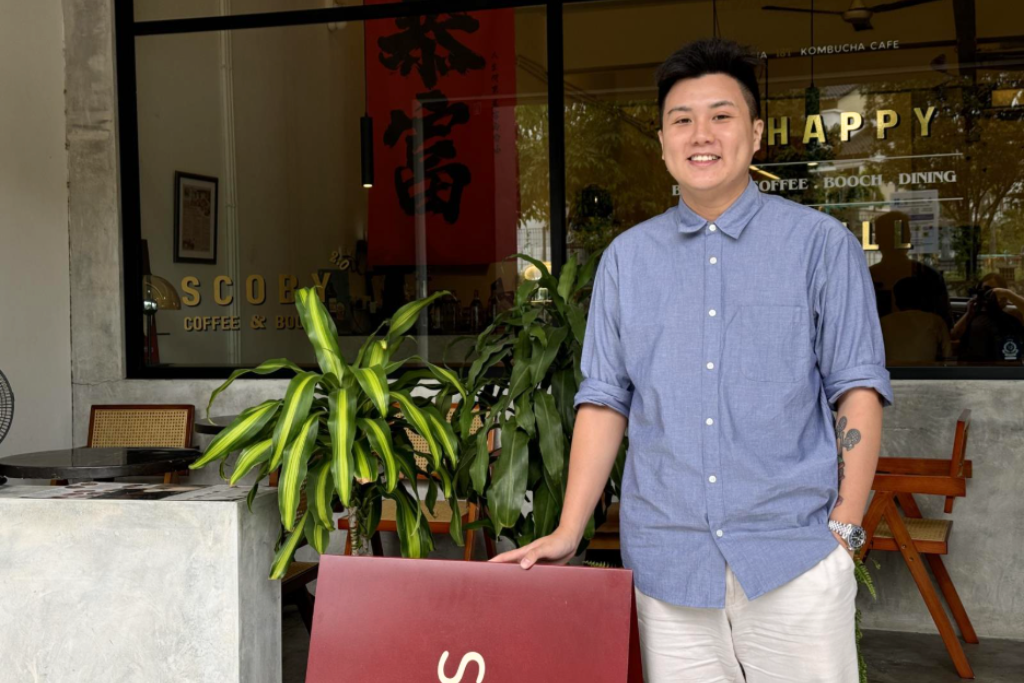
Chester Yong runs his own kombucha-centric cafe in Bukit Jalil called Scoby Cafe. Source: Study International
1. Out of necessity
For Chester Yong, coming back to Malaysia was primarily driven by his expiring visa. Thankfully, the decision seemed to work out for him, and he’s now the founder of two F&B establishments in the country.
His experience is reflective of what many fellow international students go through, though. Even if one wants to stay abroad, it’s usually easier said than done.
2. To be with loved ones
Hui Yi Chin, a Columbia Business School graduate, decided to come home to Malaysia for numerous reasons. For one, opportunities in the US just didn’t seem to align with her goals and values.
But more than that, it’s also the fact that her loved ones are in Malaysia.
This love for her family is what actually ended up inspiring her to start her own business, Inscribed, which helps people turn their legacy into memoirs.
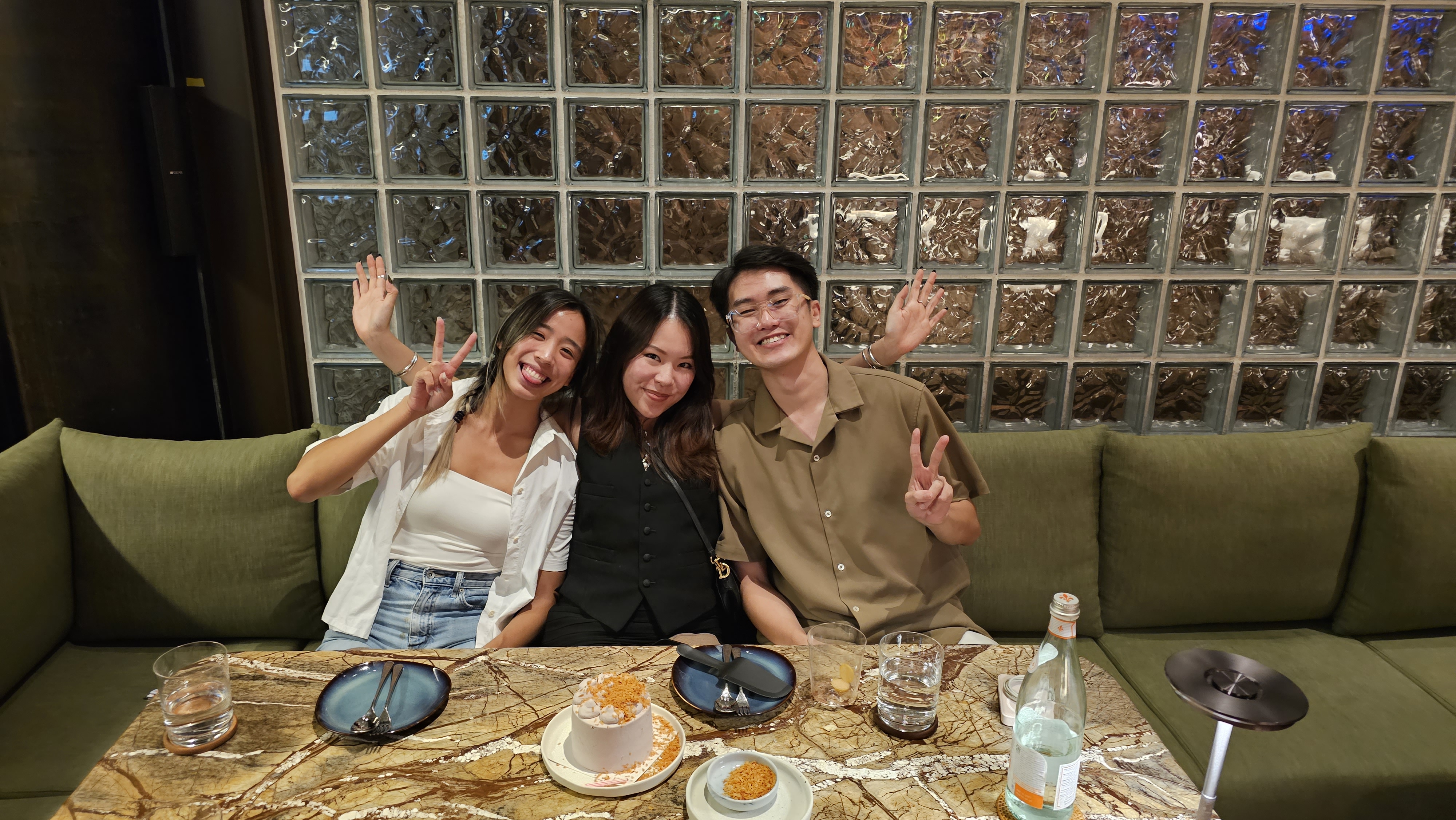
(From left to right) Joelle Leong, Joe Cheng, and Danny Chong are the founders of ReHaus. Source: ReHaus
3. To tap into Malaysia’s growth and relevance
For Danny Chong and Joelle Leong, the reason for coming home came down to growth and challenge. They felt like Melbourne was a great place for self-discovery, but lacked the drive and energy they saw in Asia.
“For me, I knew that Melbourne wasn’t going to be a forever home. I knew that I would come back eventually before my 20s were over,” Leong said. “It was very much a place where you could grow and find yourself, but in terms of further career growth it wasn’t really a place I wanted to be in. Because it’s very comfortable, but I want to be challenged a little bit.”
Beyond that, there was the fact that the economy in Australia at the time wasn’t great, especially in their field of architecture. On the flip side, Malaysia was booming.
Chong agrees, “Melbourne was just a place for me to grow. A place for me to get as many experiences as I could get. Eventually, Malaysia is still a home and where I feel belonging. It’s easier for me to start things I want to start.”
The two add that starting a business in Malaysia, especially if you’re local, is a lot easier compared to Australia. The capital needed is lower and easier to come by.
Plus, having obtained international exposure, it was more advantageous for them to get jobs too.
The duo, with the addition of a third co-founder who studied in the UK, actually ended up creating a community called Rehaus for those who have studied abroad to connect with one another.

Zafran Rarang is the one-man team behind the Malaysian Diaspora account on Instagram and TikTok. Source: Zafran Rarang
4. To leave an impact
Zafran Rarang has lived in countries across the world and spoken to Malaysian diaspora in numerous countries. Yet, he still chose to come back to his home country.
Salaries in other countries, due to the exchange rate, are better. Industries such as communications are also more developed and matured in many other nations. For instance, the Netherlands’ press freedom is ranked third in the 2025 Reporters Without Borders (RSF) index, while Malaysia is ranked number 88. A communications specialist would reportedly make an average of 68,500 euros (around US$81,323 ) a year in the Netherlands, but in Malaysia, that number would be closer to 59,123 Malaysian ringgit (around US$14,956).
So, why did he return after studying in the Netherlands?
“This is not a knock to people who see things differently,” he prefaces. “But I’m of the opinion that as a Malaysian, especially for me as a Malay Malaysian, a part of the majority, I have a responsibility to try to make Malaysia better.
“Given the position and extra privilege that I have, in terms of my rights as a Malay, it would be unfair that I don’t use it for the benefit of Malaysia.”
Rarang recognises that his ideals sound rather altruistic, but he admits that it’s not really all that grandiose. Ultimately, he just feels like he has a duty.
“And I have more of a chance to make a dent or difference here than somewhere else,” he adds.
But Rarang doesn’t prescribe his personal philosophy onto other people, such as the Malaysians he has interviewed who chose to stay abroad.
“I will never blame someone for chasing individual economic opportunities, no matter who they are,” he says. “I can’t call someone inherently selfish for wanting a better life.”
He now runs a site called Malaysian Diaspora that features Malaysians across the globe.
For Yifon Law, it was a similar reason. After studying in the US, she had landed a job at Deloitte – one of the Big Four professional services networks in the world, known for their dominance in audit, tax, and consulting services.
For international students such as Malaysians, working in the US is also a big deal due to the American currency being much stronger. Plus, she had secured a H-1B visa, and could have been on track to getting permanent residence.
Yet, she left that behind because she wanted to make a bigger impact with her work.
“Working in the States, especially in big and mature conglomerates, although you can get a lot of exposure, what you do has less impact on the firm,” she says. Typically, these companies already have lots of standard procedures to follow, and you wouldn’t be able to reinvent the wheel, so to speak.
“I wanted to do something where my presence felt much more significant.”
And in Malaysia, she felt like she could.
Beyond that, Law also cited family as a big motivator.
Reverse brain drain is likely due to a mix of all the above
Many of the people cited above are the entrepreneurial sort, though, which might explain why they came back. After all, if you wanted a stable, high-paying career, it would still make more sense to stay and work abroad.
But I myself am someone who chose to come back to Malaysia after my stint abroad. And I am decidedly not an entrepreneur.
Part of it was due to necessity. I graduated in December of 2020, when the Covid-19 pandemic was still ongoing. Uncertain about my prospects, I decided to bite the bullet and just book a flight home. But even if I were to I kickstart my career in the States, I would’ve eventually returned to Malaysian soil, where my family resides.
Armed with my journalism degree from the University of Missouri, I also always believed that I would be able to utilise my knowledge and skillset to better the media industry. That might sound entirely egoistic, but I was confident I was able to match my capabilities with my dreams of making a positive impact on my home country.
At the end of the day, the phenomenon of the “reverse brain drain” is due to a huge mix of reasons. There are the internal ones, which are much more philosophical and emotional, but there are also the major external factors. The obvious one is the fact that Malaysia has developed a lot over the past decades to be a Southeast Asian hub. Back then, people needed to travel abroad to fulfil their dreams — thanks to their work, and many others, this tropical country has become capable of supporting many more careers, hopes, and dreams.
Popular stories
This VC’s best advice for entrepreneurs that students should hear too
5 things I wish I knew before signing my rental contract abroad

Entrepreneurs, should you get an MBA? A venture capitalist answers

He studied graphic design in Australia, now runs a venture capital & angel investor network in M’sia