



We know the planet is going through climate change-induced disasters, biodiversity loss, and more. We also know we need better ways to deal with them. Green technologies are one answer, but at a time when these solutions are needed most, innovation in patented green technologies has slowed.
This is where universities can make a difference.
At BOKU University, one of Europe’s leading universities in the life sciences, scientists, students, and graduates work across disciplines to build a more sustainable future. Underlying these efforts is BOKU’s approach to sustainable development: finding ways for people to live and work without exceeding the planet’s ecological limits, while building social and economic systems that are fair, resilient, and equipped for the future.
Now, that same philosophy is shaping BOKU’s new interdisciplinary, English-taught green master’s programmes.

BOKU’s three scientific centres connect researchers across disciplines to tackle challenges in agriculture, the bioeconomy, and global sustainability. Source: BOKU University
Pick your path to a greener future
At BOKU, preparing for a greener future means learning to see problems from more than one perspective. Its new master’s programmes combine practical education with scientific and technological research. Each draws at least 15% of its content from technology and engineering sciences, 15% from natural sciences, and 15% from economic, social, and legal sciences.
The Master’s Programme in Green Building Engineering, for example, is where you’ll learn how to design greener buildings from scratch, as well as how to make existing ones more sustainable. That means getting hands-on with everything from building physics and structural design to energy management and building greening systems. But designing sustainably also means thinking about what happens before, during, and after construction. You’ll learn to choose materials with resource efficiency in mind, identify effective maintenance and energy upgrades, and consider how buildings fit into a circular economy.
Why is the climate changing? Who’s driving those changes? Who is paying the highest price, and what can we actually do about it? Those are some of the questions you’ll explore in the inter- and transdisciplinary Master’s Programme in Climate Change and Societal Transformation.
There are four stages to it. First, you’ll build a foundation in climate change and transformation and learn the research methods you’ll need to study them. Then, you’ll choose one of three specialisations, exploring topics such as climate impacts, mitigation and adaptation, the Sustainable Development Goals (SDGs), and sustainable societal change. Next, students from all three specialisations come back to tackle real-world challenges together. And finally, you’ll put your research skills to the test with a master’s thesis.
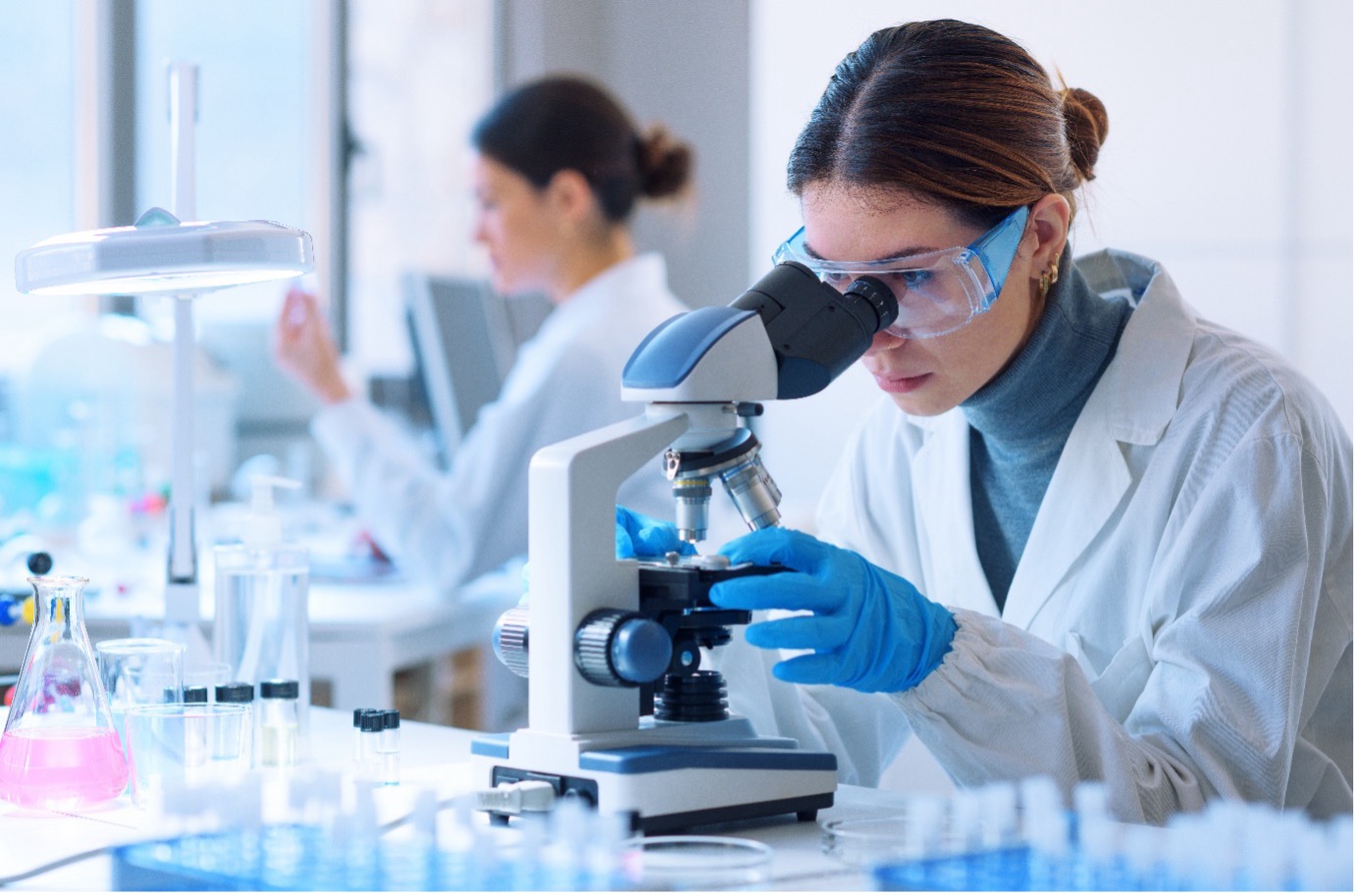
If chemistry is more your thing, there’s the Master’s Programme in Green Chemistry. Jointly offered by BOKU, the Vienna University of Technology (TU Wien), and the University of Vienna, the programme combines the strengths of all three universities to help you build the scientific knowledge and problem-solving skills needed to take on both current and future challenges.

BOKU supports the vision of a European and global bioeconomy by 2030, addressing major societal challenges such as improving public health, tackling climate change, and more. Source: BOKU University
Build your future from Vienna
Your BOKU experience takes place in Vienna, one of the world’s most liveable cities. With a high quality of life and lively cultural scene, it’s easy to see why students from around the world choose to call it home.
Studying at BOKU is affordable too: EU and EEA students can study tuition-free if they meet certain conditions, while other international students pay comparatively low fees. And if you’re new to the city, BOKU’s Welcome Days and other events for international students make it easier to meet people and get settled quick.
What happens after graduation? The outlook for graduates is just as dynamic as Vienna. BOKU master’s graduates take just one month on average to find a job, with their interdisciplinary training preparing them for careers in not just one, but across industries and sectors.
Green Building Engineering graduates find work in engineering and planning offices, construction companies, consultancies, government agencies, research institutions, and research and development teams. A Climate Change and Societal Transformation degree opens up a different set of possibilities, from developing climate strategies for governments and organisations to working in sustainability, research, education, journalism, or communication.
Have questions about BOKU’s green master’s programmes? For more information, contact boku4you@boku.ac.at
Follow BOKU University on Facebook, Bluesky, Instagram, YouTube, LinkedIn, and TikTok