




Growing up in Arizona, Winona Sharpe dreamed of living and learning in a city steeped in centuries of history. She found it in Durham, England. The city’s beauty and history, with its sandstone buildings and over a thousand years of heritage, always leave a lasting impression.
It’s also home to a QS World Top 100 institution, Durham University, the third oldest university in England, making it a paradise for history enthusiasts and an inspirational city for writers. It was the perfect place for Sharpe to pursue an MA in Medieval and Early Modern Studies — or for her peers to study their own MA programmes in History, English, or Creative Writing.
Walking around campus, she often found herself in awe. Durham Cathedral, a 900-year-old Gothic masterpiece and the resting place of two medieval saints, stood nearby. Behind it loomed Durham Castle, a Norman fortress once home to the powerful Prince Bishops who guarded England’s northern borders.
“Reading medieval chronicles and texts here in Durham, in the North East of England, where these stories were written just a few miles up the coast, like Holy Island, it just makes it so real,” Sharpe says. “It’s one of my favourite places on the planet.”
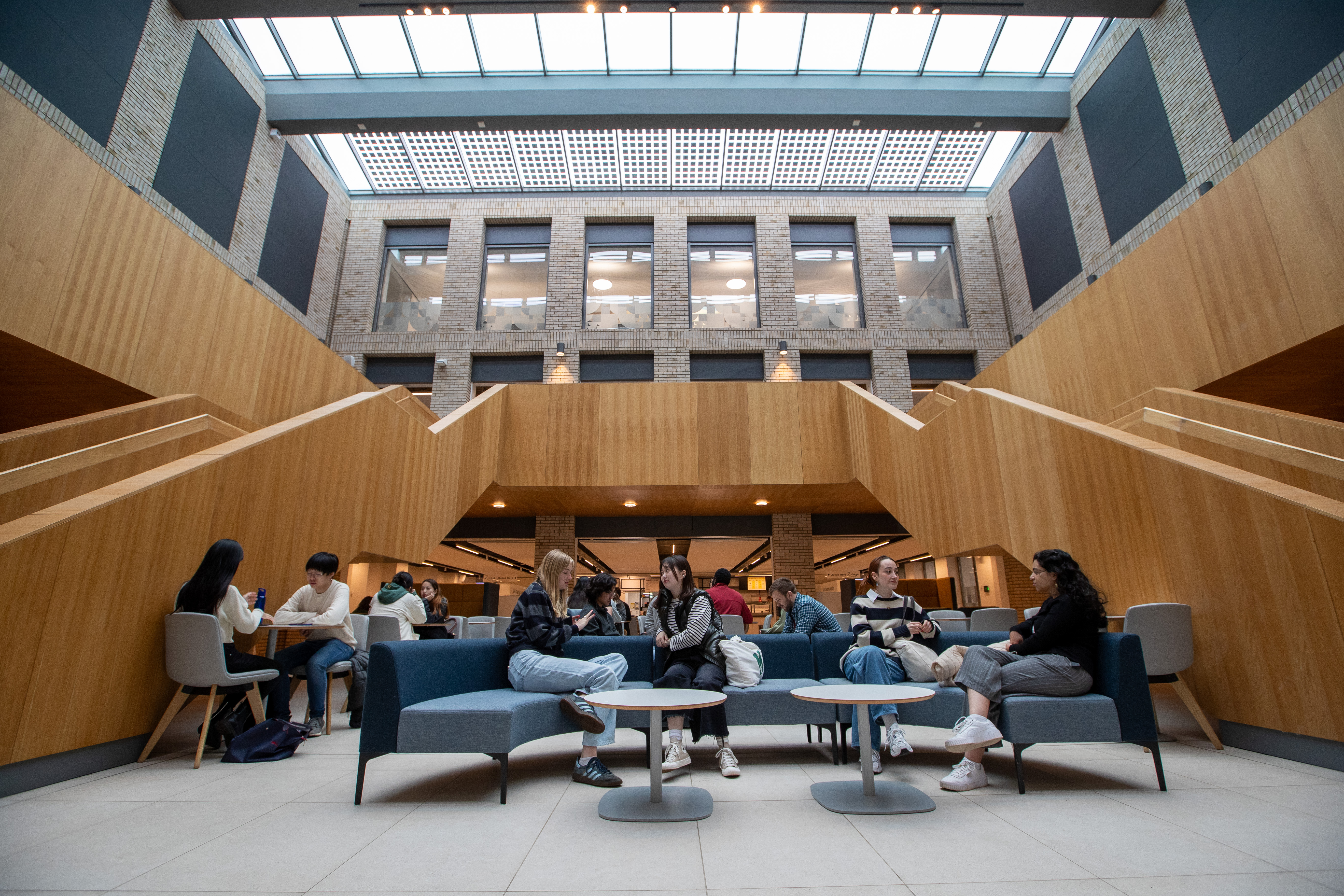
Who wouldn’t agree? Her classes are held in 17th and 18th-century townhouses, buildings that once thrived as coffee houses and lawyers’ offices. And these historic buildings are connected to modern facilities, including libraries, lecture rooms, and more. With this unique learning environment, it’s easy to understand why Durham University, founded in 1832, is ranked 44th globally for History and 26th for English by the QS World Rankings by Subject 2026.

The Faculty of Arts and Humanities benefits from its setting around a UNESCO World Heritage Site. Source: Durham University
The University uses world-leading research on the past to shape the future. Renovations at Durham Castle in 2026 revealed a medieval wall painting believed to date from the late 13th to the early 14th centuries. It offers new insight into the Castle’s historic prestige. The project involved experts and students from Archaeology, History, Durham Castle Research Group, the Heritage 360 programme, and staff from the Estates and Facilities teams.
Back in 2025, researchers from the Institute for Medical Humanities worked with Edinburgh Book Festival and Jaipur Literature Festival to investigate how people hear (or don’t hear) the voices of characters when they read. And in 2022, a team of researchers won a two million euro grant to investigate how Mediterranean communities from 1 to 1000 CE adapted to extreme climatic events like floods and volcanic eruptions. These discoveries highlight the university’s commitment to transformative research, which students experience firsthand through the newly launched Transformative Humanities framework and its six thematic pillars.
Research lies at the heart of the University’s MA programmes in History and English Literary Studies. Completed over one year full-time or two years part-time, they include a research-focused course, up to 180 credits of electives, and an extended dissertation. Students work closely with the course director or dissertation mentor to shape their studies around their goals and ambitions. There’s the MA in Creative Writing too, where aspiring writers learn from established authors, build connections, and complete a creative dissertation.
Guiding all students throughout, are faculty who are not only expert educators but also trailblazing researchers. With specialisations spanning both time and the globe, from Anglophone literature to African history, and interdisciplinary scholarship drawing on a wide range of thematic approaches, including visual, transnational, and environmental humanities, they help students develop into independent scholars while finding a home for their unique research interests.

Graduates enter academic careers in the arts and heritage sector, law, civil service, accountancy, teaching, journalism, the charities sector, and business. Source: Durham University
For Dr. Amanda Herbert, Associate Professor, her speciality lies in exploring the relationship between Britain and the Americas from 1450 to 1850 within the Atlantic World. At Durham, she’s surrounded by colleagues who share her passion for these histories.
“It’s very exciting to be in a place where there are so many other people working on histories that are similar to mine. In addition to that, we have an enormous number of Early Modernists,” says Dr. Herbert.
Indeed, Durham’s campus is a treasure trove for historians and literary scholars. As a UNESCO World Heritage Site, it offers unparalleled access to historic objects and materials. The Durham Castle Museum is just one of several on-campus institutions, alongside the Oriental Museum, Museum of Archaeology, University Art Collection, and University Biosciences Collection. Palace Green Library holds a rare First Folio of the works of William Shakespeare, along with numerous other literary archives. Together, Durham University’s museums and galleries hold over 100,000 objects available for research and exploration.
Students can also spend their free time sifting through authors and scholarly texts, since Durham reigns supreme when it comes to library resources. There are four dedicated libraries in the city, with archives and special collections that span over 70,000 books, maps, prints, photographs, and medieval manuscripts. From local history sources to global digital humanities databases, you will have access to the resources you need.
If Durham sounds like the perfect place to pursue your passion, explore Durham University today.
Follow Durham University on Instagram, TikTok, LinkedIn, X, Bluesky and YouTube