


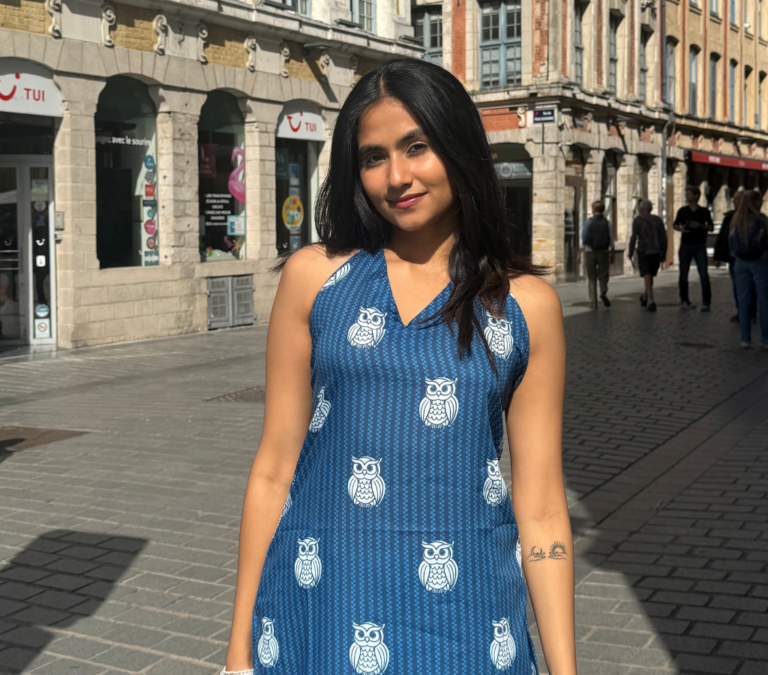


“I just didn’t give up hope.”
For Reine Chawla, a content creator with over 12,000 followers on Instagram, breaking into the European job market was never part of a perfectly planned career path. At 20, the Indian student is currently studying for a Bachelor’s in International Business in IÉSEG School of Management, France, after moving there at 18.
When it came time to complete her first internship, she faced a choice that many international students encounter: return home, where finding an opportunity might be easier, or try to build work experience in Europe.
Most of her friends chose to return to India. Reine decided to stay and find an internship in Europe.
She was interested in marketing, fashion and luxury, and wanted to see whether she could find an opportunity in Europe. What followed was a process of more than 60 applications, repeated adjustments to her CV, concerns about language and skills, and eventually an internship that took her from France to Belgium.
Her experience offers a practical look at what it can take for an international student to land a first internship in Europe.
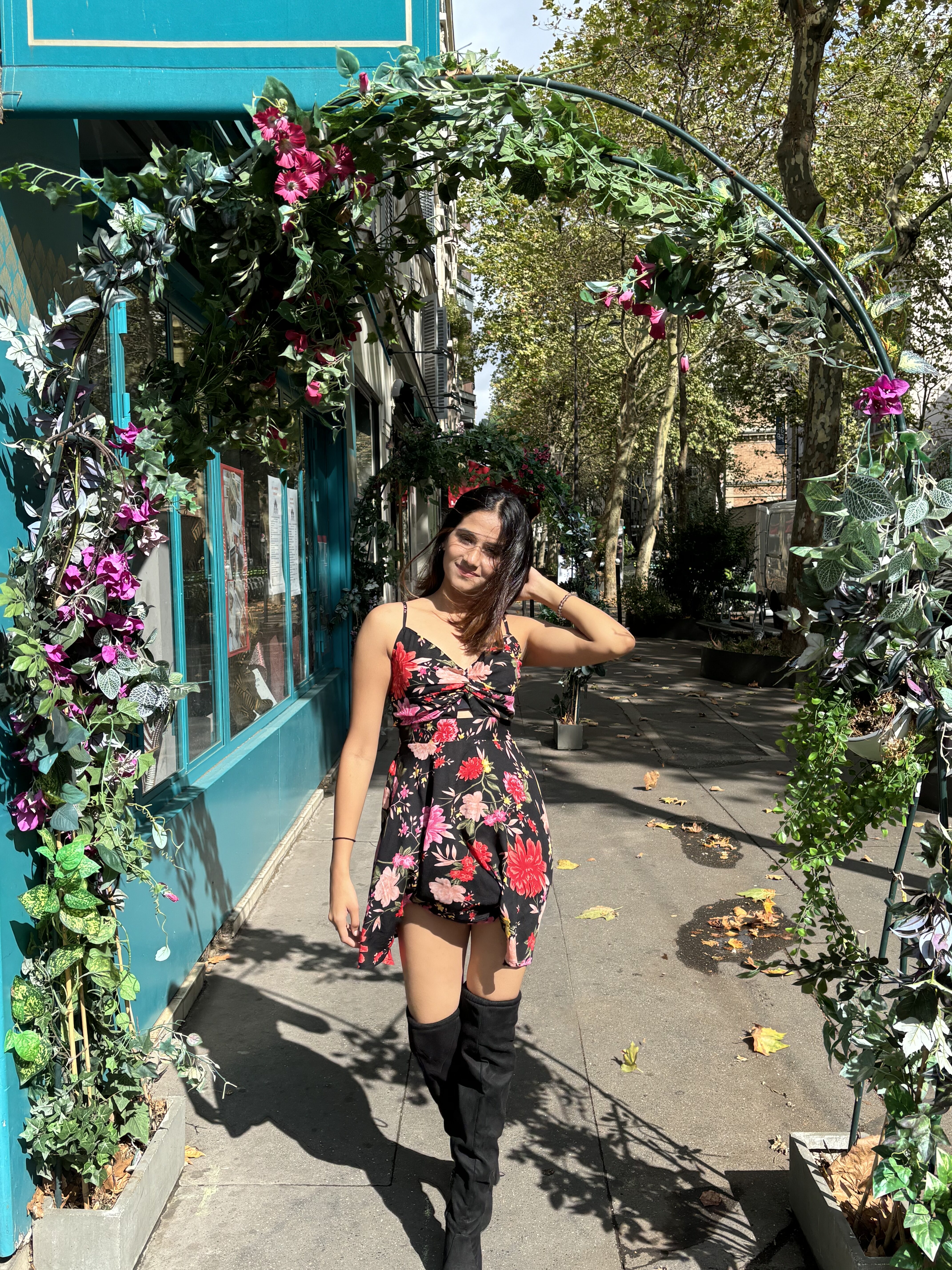
After moving to France at 18, Reine chose to stay in Europe for her first internship rather than return to India. Source: Reine Chawla
Choosing to stay in Europe
Reine’s journey to France had already taken some persistence. She had wanted to study abroad since 10th grade, but her circumstances meant that it was not immediately possible. After finishing 12th grade, she took a gap year and used the time to learn some French through Alliance Française before eventually moving to France.
Once there, she had to complete an internship as part of her bachelor’s programme. The first-year placement was intended to give students basic professional experience, with roles involving tasks such as working in a warehouse or supporting a team rather than making independent decisions.
For many of her classmates, the simplest option was to return to India for the internship. Reine wanted to try something different.
“I just wanted to stay here since I didn’t want to go back to India,” she says. “I was interested in marketing, fashion, and luxury, and Europe was a great place to do an internship in these fields, so I stayed and wanted to give it a try.”
She quickly discovered that staying in Europe would not necessarily make the process easy. Language was one of her biggest concerns, followed by her own skills and lack of previous experience.
For international students, she says, language can be a significant barrier. Even when a programme is taught in English, that does not necessarily mean the local job market operates in English.
That became one of the first lessons of her internship search: studying in Europe and working in Europe can require two different sets of skills.
“It was not easy at all, but I just didn’t give up hope,” she says.
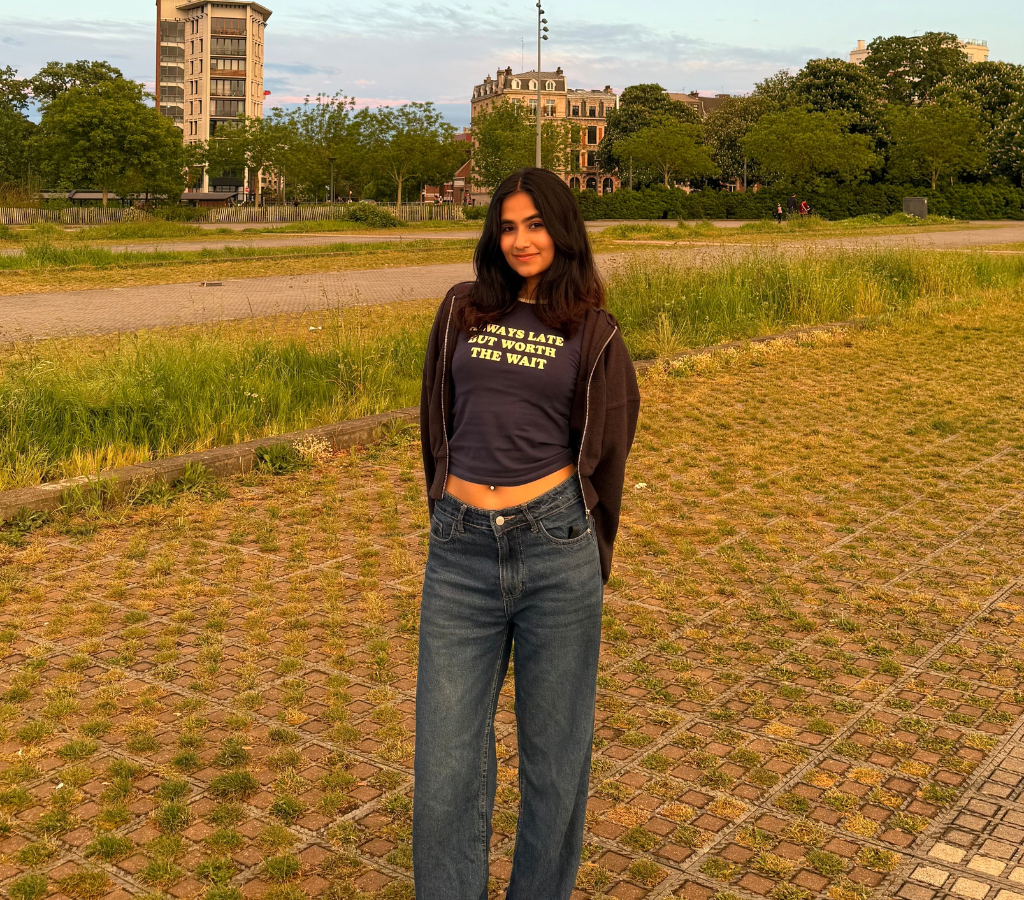
Reine used LinkedIn to find internship opportunities in Europe which goes on to show the importance of building a professional profile. Source: Reine Chawla
More than 60 applications — and a better CV
Reine began searching across several career platforms, including Indeed, LinkedIn and Welcome to the Jungle. LinkedIn eventually became the platform that made the biggest difference.
Her first major piece of advice to other students is simple: build your LinkedIn profile. “For me, I found my internship through LinkedIn,” she says. “Building a LinkedIn profile is very, very, very important.”
But finding opportunities was only one part of the challenge. Reine submitted more than 60 applications while looking for a one-month internship — a particularly difficult proposition because some companies were reluctant to take someone for such a short period.
After dozens of applications, she realised that simply sending the same CV to different companies was not enough. She needed to make each application more targeted.
The biggest change she made was tailoring her CV to each job description. This became especially important because she had arrived in Europe without much previous professional experience.
“If you’re coming to Europe from India or any other Asian countries to pursue a bachelor’s degree and you don’t have any prior internship experience, you should understand that you may be starting from behind,” she says.
“Internships aren’t as common in India for example, so many students arrive without that kind of experience. You shouldn’t feel bad about it. But you do need to be prepared to catch up once you’re here.”
With that in mind, Reine began looking more closely at what employers were actually asking for in each role. She used AI tools such as ChatGPT and Claude to help analyse job descriptions, comparing the skills employers wanted with those listed on her CV. She would then use the feedback to identify which skills were relevant to the role and which additional skills she could develop.
For her, this became part of the preparation process rather than a shortcut around it.
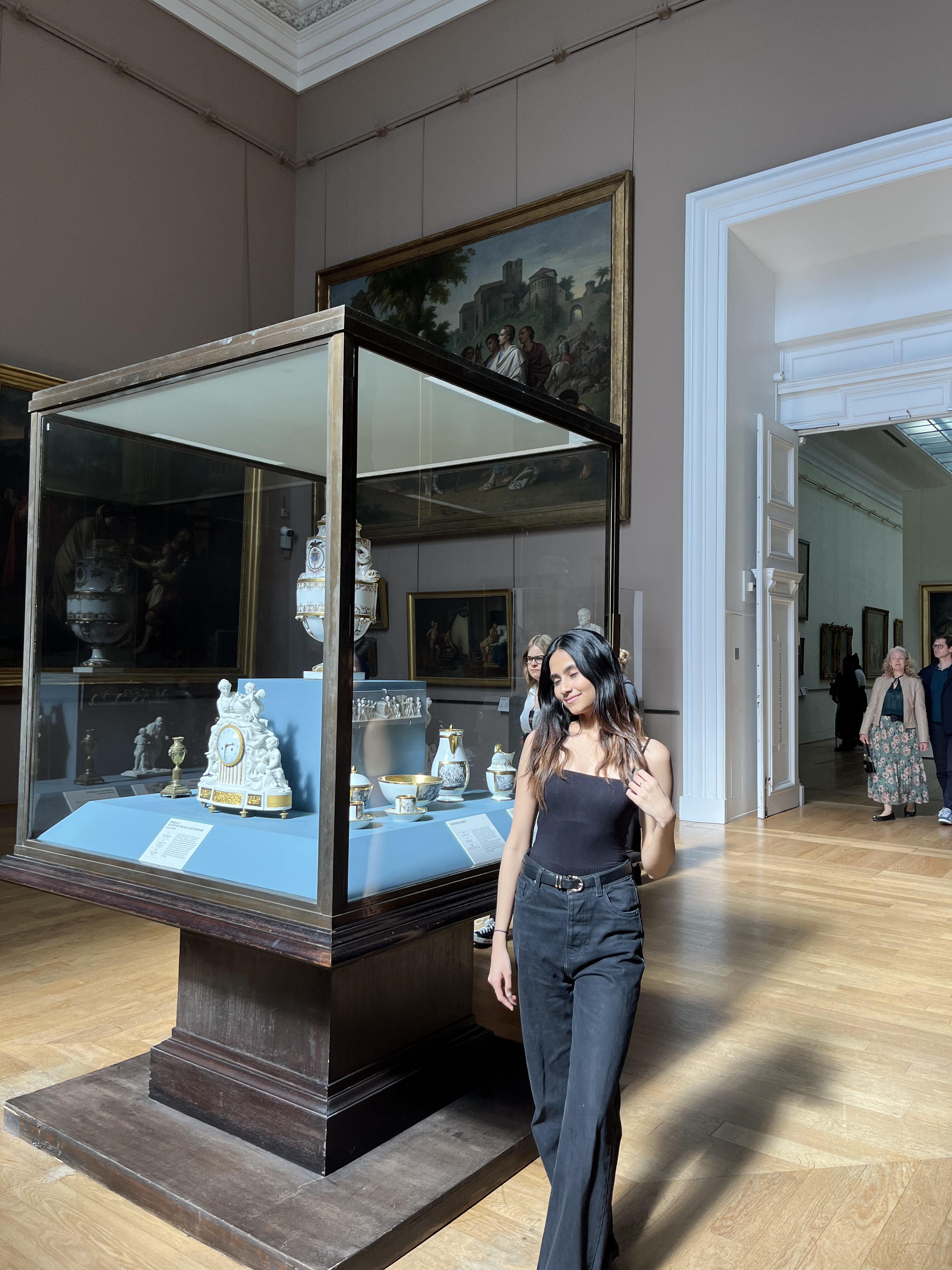
Reine tailored her CV to individual job descriptions and used AI tools to identify skill gaps while applying for internships across Europe. Source: Reine Chawla
From a LinkedIn application to Belgium
Eventually, Reine’s persistence began to pay off. She received three internship offers from different companies, ranging from startups to more established businesses.
Her first internship opportunity came through LinkedIn. Depending on the company, the application process involved either LinkedIn’s Easy Apply feature or applying directly through the company’s website. In one case, she was even asked to submit a short video introducing herself.
The opportunity that ultimately stood out was with Lolo Ballerina, a company specialising in ballet flats based in Belgium.
Once she reached the interview stage, Reine made preparation a priority. She researched the company, studied what it did, and familiarised herself with the business before speaking with the owner.
Some of the responsibilities listed in the job description were things she had never done before. Rather than letting that work against her, she focused on her ability to learn.
“I was confident that I could learn them,” she says.
That confidence proved important during the interview. She eventually secured the internship — but what followed went well beyond the one-month placement she had originally been looking for.
Instead of returning to France after a month, Reine moved to Belgium and stayed for three months. Working in marketing and communication, she joined a small team of just three or four people and took on a wide range of responsibilities.
Her work included creating newsletters, managing B2B and B2C interactions through digital platforms, using Shopify, managing stock, supporting internal communication and working on Meta ads. The experience gave her exposure to several areas of digital marketing and communication within a single internship.
It also led to opportunities she had not expected when she first applied.
During the internship, the company owner invited Reine to take part in a Paris shoot as a model for a one-day shoot. Later, after the internship had ended, she was invited to Italy to meet artisans and learn more about the company’s materials, production, and creative process.
Looking back, Reine says the opportunity was especially meaningful because the company owner could have chosen someone else.
“I was really grateful for that opportunity as well because I was no longer working there, and she could have asked the people who were still working there, but she chose to take me instead,” she says.
Although some of those conversations were in Italian, the owner explained things to her in English so she could follow along. Reine was able to see how the artisans worked, learn where the company’s materials came from, and understand how decisions were made. She also worked on videos and contributed ideas for a new collection.
Her relationship with the company continued even after she returned to France. Reine worked with the business as a freelancer for another two to three months, helping with smaller tasks and contributing ideas.
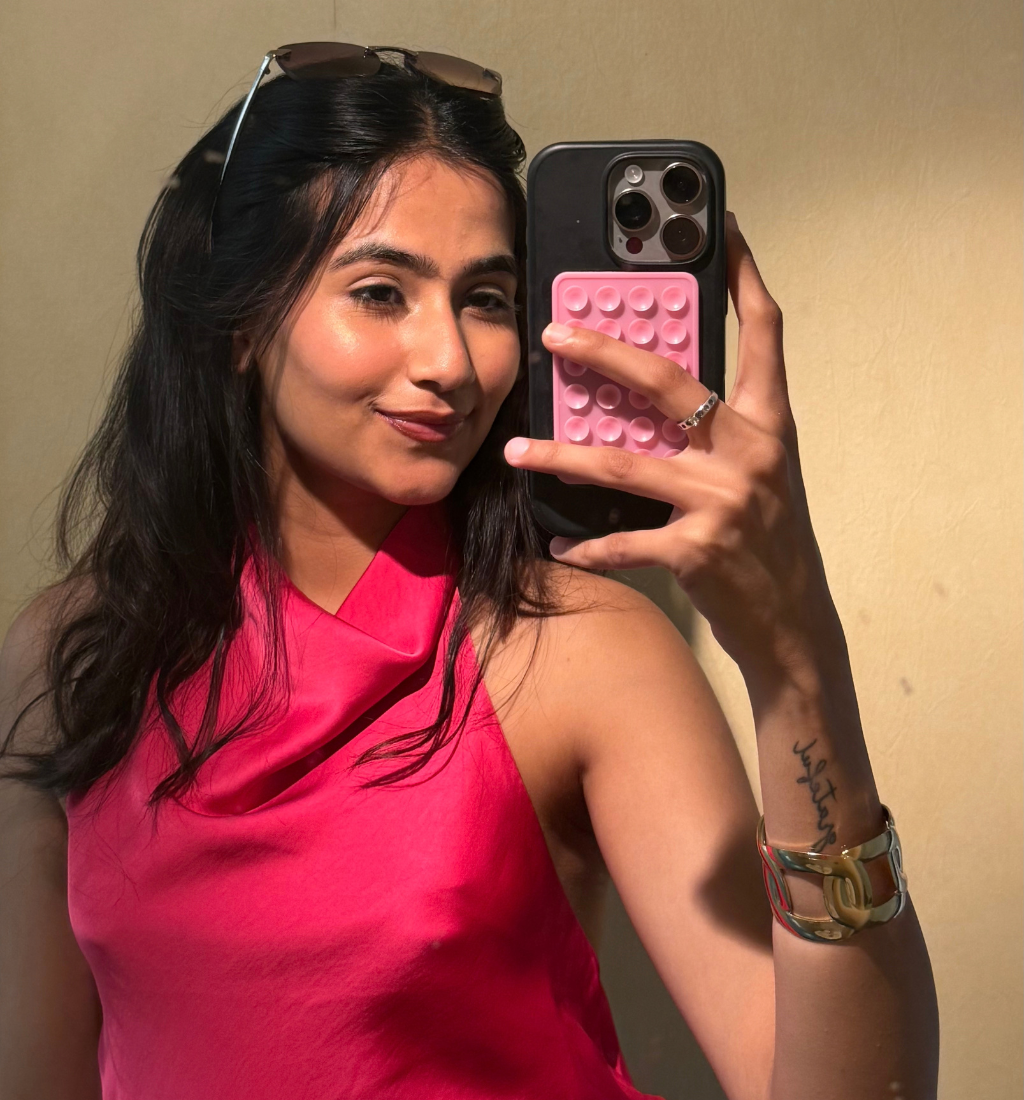
Reine’s internship in Belgium led to many unexpected opportunities. Source: Reine Chawla
Internships in Europe for international students
Landing the internship changed more than just Reine’s CV. It gave her a clearer understanding of what it takes to build a career in Europe as an international student — and what she would do differently if she were starting again.
One of her biggest lessons is to think about language before choosing where to study.
“Even if you’re enroling in an English-taught course, that doesn’t mean the country has more opportunities for English speakers,” she says.
For Reine, learning the local language should not be treated as optional. She is still working on her French, but believes starting early can make a significant difference when students begin looking for internships.
She also encourages students to keep building skills outside the classroom. Short courses and certifications from platforms such as HubSpot, Coursera and Google can help students develop practical knowledge they can bring to an employer.
Networking is another part of the equation. Reine found that professional opportunities in Europe can often be influenced by who you know. Students who already have family connections or established networks may have an easier starting point, while international students may need to be more proactive about creating their own professional circles.
But perhaps the biggest adjustment was learning to speak up.
“I would say that you need to be ready for challenges,” Reine says. “If you have opinions, don’t keep them to yourself; just say them out loud. Ask for help if you don’t know something.”
For students facing rejections in their internship applications, her advice is practical: understand where the gaps are, work on them and keep moving forward.
Popular stories
Pathways to the Ivy League universities: 9 best private high schools in the US (2026 edition)

Acceptance rates as low as 3.65%: The hardest universities to get into & their admissions criteria in 2026

Research. Community. Opportunity. Discover Rhodes University.

These Pharmacy master’s degrees are transforming global healthcare