



There is a lot to consider money-wise when leaving home to study abroad. While tuition fees and rent generally comprise the largest portion of student expenses, there are many other hidden costs of studying abroad that you’re likely to incur.
In 2026, with living costs rising sharply across major study destinations — Sydney and Melbourne rents up 12% since 2023, food costs in Canada up around 7% in 2024, and London shared flats often exceeding 1,200 pounds (US$1,603)/month — financial planning has never been more critical.
Here is what your admissions brochure miss:
Hidden costs of studying abroad
You may find that your first student fee bill is larger than you thought. Most universities charge students a variety of fees aside from tuition, with some adding “international student fees” to cover administrative costs.
For example, at the University of Iowa (2025–26), on top of tuition, international students are billed for: a technology fee (US$622 – US$907), student activity fee (US$82), student services fee (US$88), student union fee (US$125), building fee (US$144), recreation facility fee (US$348), international student fee (US$250), international orientation fee (US$120), and more.
No matter which country or uni you go to, these extra fees typically include:
- Athletics, computer labs, library, and gym access
- Health insurance — mandatory in the US, Australia (OSHC: ~500 Australian dollaars (US$356) – 700 (US$498) /year), and Germany (statutory health cover ~ 110 euros (US$126)/month)
- Academic transcripts, graduation, and orientation fees
- In Singapore, a Student’s Pass issuance fee of 60 Singapore dollars (US$46.59) applies to every student pass issued
Your university should be able to give you a detailed fee breakdown, so ask in advance.

International students may pay extra for services, facilities, health cover, and even orientation — turning an already expensive education into a much bigger financial commitment. Source: Pexels
Pre-arrival: Document and visa costs
Before you board your flight, expect to spend on admin and bureaucracy matters:
- Visa fees: Australia’s Student Visa starts at AU$1,600 (US$1,140); UK Student Visa costs 490 pounds (US$654); Canada’s study permit is CA$150 (US$108); US F-1 visa requires a SEVIS fee of US$350 on top of the visa application fee
- Document notarisation, certified translations and apostille stamps: US$100-400 depending on volume
- Biometric enrolment fees apply in the UK, Canada and Australia
Medical checks and vaccinations
A medical examination is required for many visa applications, but it is rarely mentioned in student guides. In Australia, the standard exam costs AU$249.10 (US$177.50), rising to AU$345.10 (US$245.91) if a chest X-ray is also required.
In Canada, IRCC-accredited panel physician fees typically range from CA$140 (US$103) – CA$180 (US$132) for students.
Additional on-arrival vaccination requirements vary by destination:
- US universities commonly require MMR, Meningitis ACWY (US$100–150 without insurance) and TB test (US$50–350) before housing registration
- Germany requires proof of health insurance before enrolment — statutory coverage runs around 120 euros (US$138.40)/month, per Expatrio
- Denmark’s CPR registration grants access to public healthcare, but private cover is recommended before registration and is required for a residence permit
- Finland, New Zealand, Hong Kong and China may require health checks depending on nationality and programme length
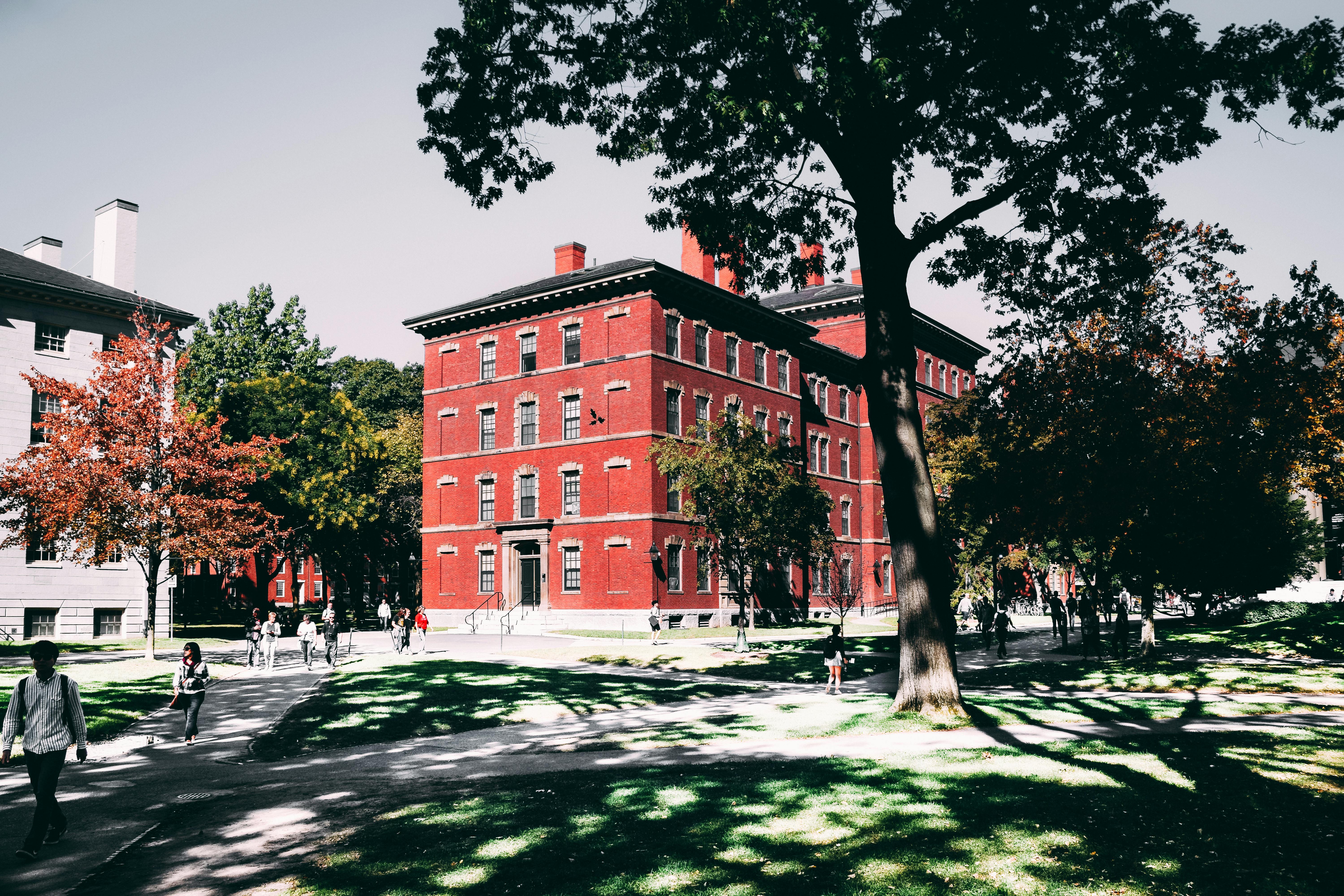
From visa fees to insurance and vaccinations, administrative requirements can quietly raise the real cost of studying abroad. Source: Pexels
Guarantor fees and rental deposits
UK landlords typically require a UK-based guarantor. Without one, international students must pay most, if not all of, the rent for the full contract before they move in.
Meanwhile, in Hong Kong, deposits of two months’ rent are standard.
In Singapore, Malaysia, and China, landlords typically require a deposit of one to two months’ rent plus one month’s advance rent before handing over the keys.
The first month shock: Life setup costs
Your first month abroad is almost always your most expensive. You are setting up a life from scratch. Beyond rent and tuition, you need to budget for the following things.
Airport transfer (before any student travel card is active):
- Sydney: AU$45 (US$32) – 60 (US$42)
- London Heathrow to city centre: 70 pounds (US$93.50) – 120 (US$160) by taxi
- Toronto: CA$50 (US$36) – 60 (US$44)
- Singapore Changi to NUS/NTU: S$25 (US$19) – 35 (US$27)
- Kuala Lumpur: 50 (US$12) –120 (US$30) Malaysian Ringgit
Home essentials (bedding, cookware, cleaning supplies, power adapters):
- Australia: AU$560 (US$399) – 1120 (US$798)/month
- UK: 150 ((US$200) – 250 pounds (US$334)/month
- US: US$200-400
- Malaysia: RM1,000 (US$254) – 3,000 (US$763) one-time setup, including SIM and transport card
Local SIM card and phone plan:
- UK: 6 (US$8) – 15 pounds(US$20)/month (GiffGaff, Smarty)
- Australia: AU$12.50 (US$8.91) – 35 (US$24.94)/month
- Singapore: S$7 (US$5.48) – 39 (US$30)/month
- New Zealand: NZ$15 (US$8.85) – 40 (US$23.60)/month
- US: US$15–35/month prepaid (credit history not required)
Course materials:
- Textbooks in the US average US$500 –1,000/year. UK textbooks run 40 (US$53) – 80 pounds (US$106) each.
- Lab coats, art supplies or technical equipment for medicine, engineering, architecture and design students

Setting up a new life abroad often makes the first month the most expensive. Source: Pexels
Tips, taxes and bank fees
In the US, tipping is standard in the service industry, including for waiters, barbers, taxi drivers, and bartenders. If you’re from a country that doesn’t practise tipping, this may not need to be part of your daily expenses.
Also, whether you work on- or off-campus, you may still have to pay taxes. While you can get a tax refund in due time, remember that your salary will be deducted.
In certain countries and states in the US, you will also have to pay tax for clothes, food, groceries and so on, so make sure you do your research and find out about your host country’s tax rates. Students in states like California also face some of the highest sales tax rates in the country. Only four US states — Delaware, Montana, New Hampshire and Oregon — have no statewide sales tax, per US News.
Bank fees are another often-overlooked cost: opening a local account, receiving international transfers, and obtaining debit cards all come with charges.
Costs incurred during semester breaks
We don’t mean your expenses during holiday breaks, such as flight tickets and food. There are additional costs you might have to bear when you leave for an extended period, such as going back home for summer break.
But if you live off-campus and cannot sublet your room during summer or winter breaks, you’ll still owe rent and utilities — even when you’re not there. This is especially costly in cities like Toronto, where shared housing already exceeds CA$2,000 (US$1,471)/month, or London, where shared flats often exceed 1,200 pounds (US$1,603)/month.

Familiarising yourself with local financial norms and obligations reduces stress and unexpected costs. Source: Pexels
Travelling and transportation
You’ll want to set aside some budget for travel. Since transportation costs vary significantly by city, it’s worth researching the cost of living beforehand, including how far you’ll need to travel to campus, shops, and other key destinations, so you can budget accurately from the start.
2023-24 Chevening Scholar, Sharon Jessy, who studied at King’s College London, knows this well. London’s transport system uses a zone system, with Zone 1 covering the city centre and Zone 2 covering inner London.
Initially, Jessy lived in Zone 2 but found it too expensive. To cut costs, she moved to Kingston upon Thames, a London suburb in Zone 5. This meant a longer commute — about 45 minutes to class. But this decision significantly reduced her expenses on both rent and transport.
“Consider your travel needs before choosing where to live,” she says. “If you don’t need to be in central London often, living further out can save money while providing access to the city when needed.”
Disclaimer: This article was last updated on March 11, 2026.
Popular stories
Many fit, finance bros: Where & what the male cast of ‘Age of Attraction: Season 1’ studied at university

Marketing pros masked at ‘cougars’ and ‘flakes’: Where and what the women cast of ‘Age of Attraction: Season 1’ studied at university

Lewis University: Why three very different Kenyan students chose the same US university

5 schools for ballet and opera if you’re not Timothée Chalamet