

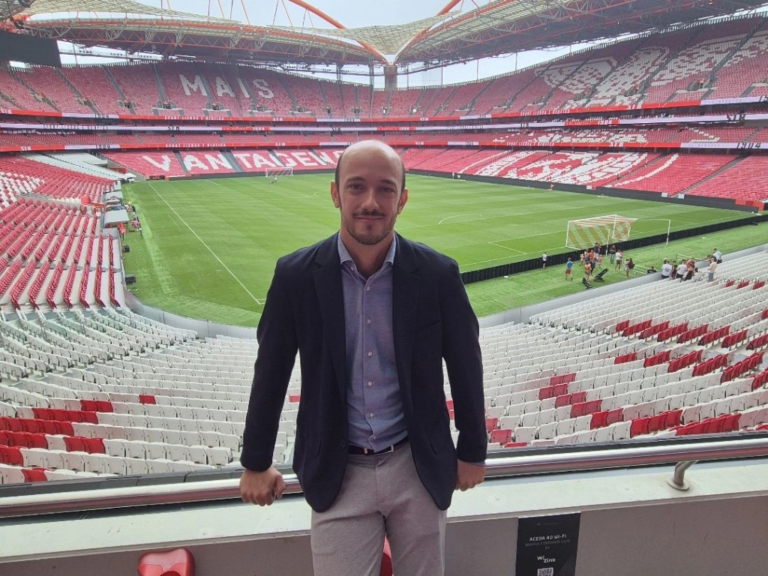


For four years, Julio Lacerda tried to break into the sports industry. Despite having more than a decade of experience in marketing and working with major brands such as Gillette, Oral-B, and Philips, he struggled to get his foot in the door.
He applied for sports-related roles in the Netherlands, hoping to bring his commercial experience into an industry he had always been passionate about. But the opportunities never came.
The breakthrough eventually came through an unexpected route: a Professional Master’s in Football Business at The Football Business Academy (The FBA).
The programme gave him something his previous qualifications and professional experience could not: access to people already working in the industry. Through the connections he built, he secured an internship at Arowana Sports, a sports agency, which eventually led to a permanent position.
“As much as it is a cliché, I think it was all about networking, finding the right connections to find a new job,” Lacerda says.
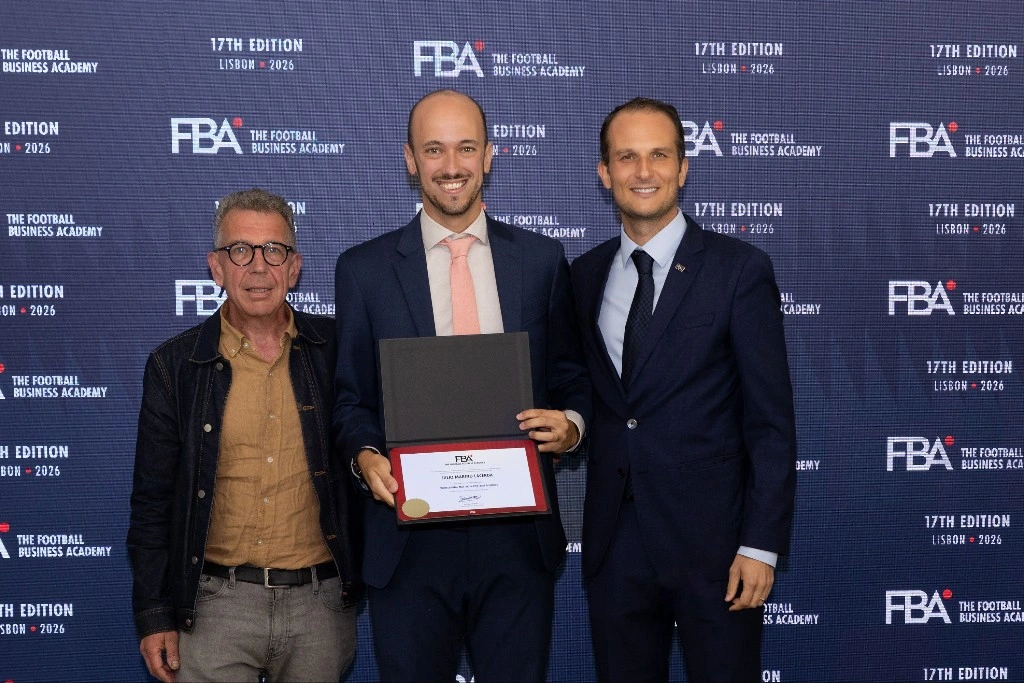
Through The Football Business Academy, Lacerda (middle) gained the industry knowledge, credibility, and connections he needed to change careers. Source: Julio Lacerda
The right time to study football business
By the time Lacerda considered studying football business, he already had two degrees: a degree in business administration and a master’s in digital marketing. He was even enrolled in an MBA programme in Amsterdam when he discovered the FBA’s Professional Master’s in Football Business.
He had initially been looking for further education to strengthen his professional knowledge. But the specialised programme caught his attention because he saw an opportunity to apply his existing experience in an industry he was passionate about.
Plus, football clubs were becoming increasingly business-focused. Financial regulations and the growing importance of commercial operations meant that clubs could no longer focus solely on what happened on the pitch. Marketing was becoming an important part of how they generated revenue and built relationships with supporters.
“The industry has been going through a lot of changes over the past decade,” he says. “I realised that this could be a great moment to add more value to the industry, given my extensive experience in fast-moving consumer goods.”
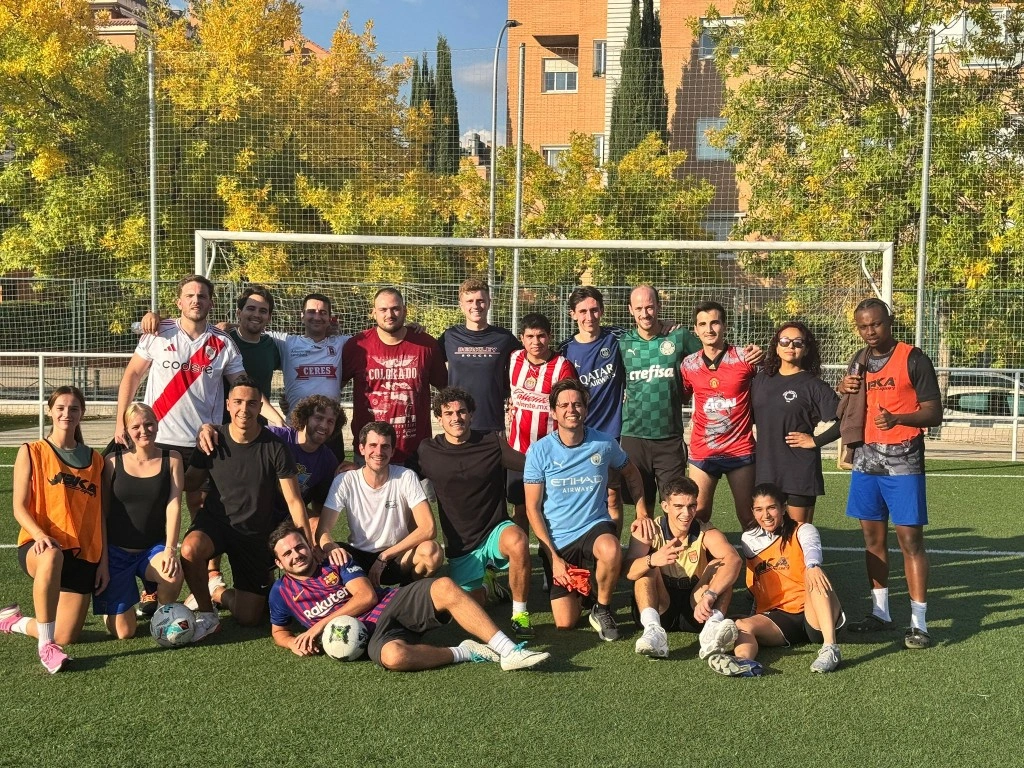
A lifelong sports enthusiast, Lacerda found a way to combine his marketing expertise with his passion for football. Source: Julio Lacerda
Why selling football isn’t like selling toothpaste
The programme helped him understand that marketing football required a different perspective from what he had learned in his previous roles.
In fast-moving consumer goods, customers might switch brands because another product is cheaper or because their usual choice is unavailable.
“The reality in football is that you don’t change your club,” says the supporter of SE Palmeiras, a Brazilian professional football club. “I’m extremely loyal to Palmeiras. No matter what happens, I’ll never stop loving the club. But when it comes to European football, I’m a bit different. I tend to follow clubs that have a strong Brazilian presence in their first team.”
He realised that football marketing required a different way of thinking. Supporters were not simply consumers purchasing a product. Their relationship with a club could be deeply emotional and form part of their identity.
The programme helped him understand these differences through lessons and case studies covering sponsorships, finance, law, and the commercial operations of clubs, leagues, and federations. But the classroom was only one part of what would make the biggest difference to his career.
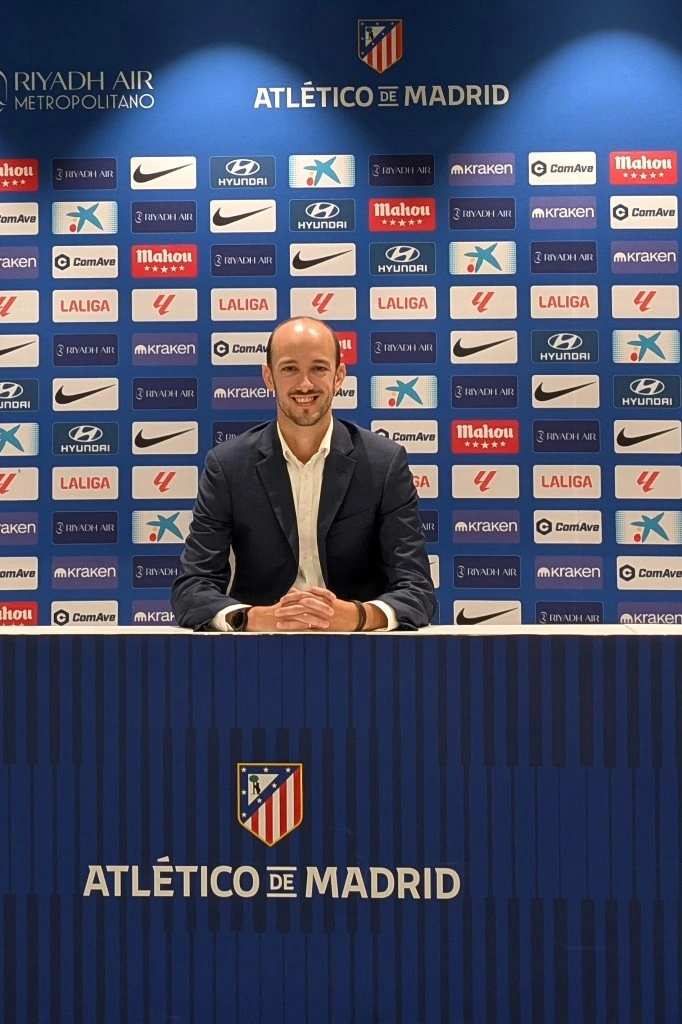
A visit to Atlético Madrid, a Spanish football club, gave Lacerda a closer look at how a professional club operates beyond the pitch. Source: Julio Lacerda
From a professor’s referral to a permanent agency role
For Lacerda, one of the programme’s biggest benefits was the chance to connect with people already working in the industry.
Those connections were valuable, but the programme’s mandatory internship proved to be the most important step. As part of its third module, FBA helped students secure placements in the industry.
These did not have to be with football clubs or federations. In Lacerda’s case, he secured an internship at Arowana Sports, a sports agency.
The opportunity came through one of his professors, who owned an agency and gave Lacerda a chance after after learning about his interest.
During the internship, Lacerda drew on his previous experience in marketing and commercial strategy. His timing was also significant: the agency was going through changes at that time.
“Since I was doing a good job during the internship, they invited me to stay on after the placement ended,” he says. “Then we started having conversations to see what the position would be, where I would fit in, and so on.”
Today, Lacerda works as a Senior Manager of Brand Partnerships at Arowana Sports, focusing on brand partnerships, strategy, and business development.
His responsibilities allow him to bring together his previous experience working with brands and the specialist knowledge he gained through the programme. He now helps brands identify suitable sports properties for sponsorship and helps those properties develop commercial partnerships and engage their supporters.
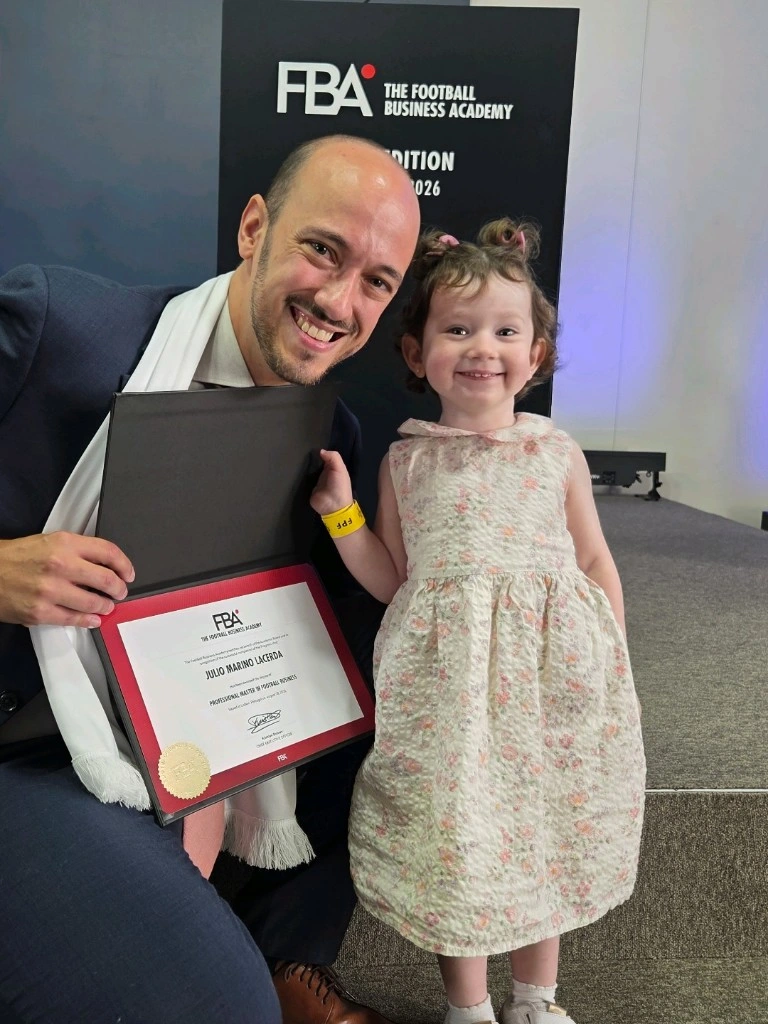
Lacerda now works as Senior Manager of Brand Partnerships at Arowana Sports. Source: Julio Lacerda
Was the master’s in football business worth it?
Looking back, Lacerda believes three things contributed to his career transition: knowledge, credibility, and connections.
“Honestly, I think it’s hard to say it’s just one thing,” he says.
“I feel like they play out in a kind of chain reaction. For example, I like to think that knowledge gives you something to say. Credibility is what makes you get heard. Your reputation and credibility are what get people to listen to you. And connections open the door. They open the door to conversations, positions, and many other things.”
However, he is careful not to suggest that everyone needs to pursue a specialised master’s to enter football. There are other ways to gain industry exposure, build connections, and demonstrate the value of existing skills.
His recommendation comes with one condition: students must be willing to make the most of the experience.
“If you have the resources and, especially, the mental availability to truly commit to the programme, absolutely, you should do it. I highly recommend it.”
Popular stories
Studying dentistry in Asia: ‘It taught me to look at the patient as a person’

Cafés, vintage shopping, pizza: The best way to spend your first 24 hours in Tokyo as an international student

Make your next big career move with Vanderbilt University’s MBA

10 best free textbook websites for students in 2026