
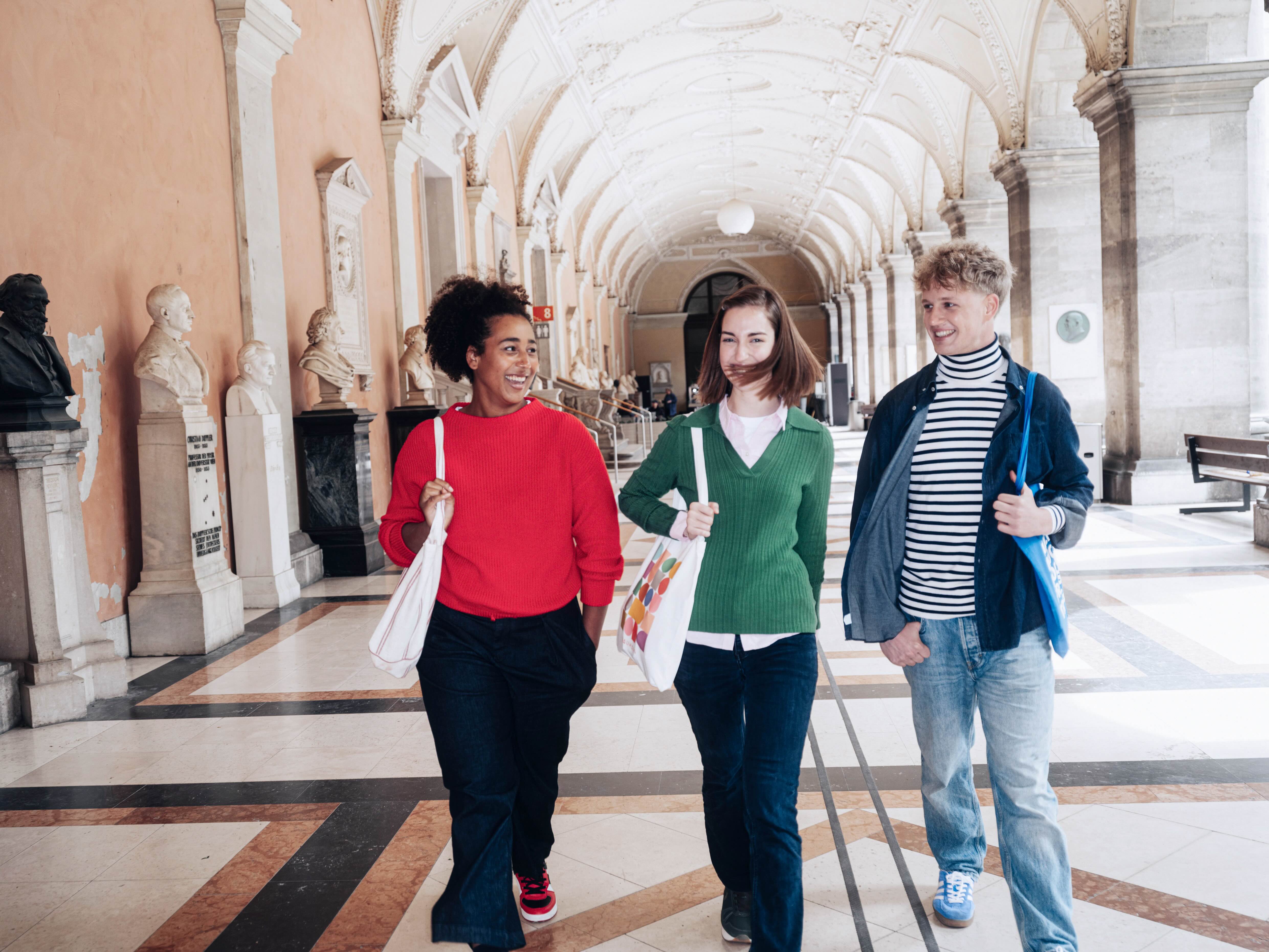


At the University of Vienna, ranked 95th in the 2026 Times Higher Education, the Faculty of Physics offers you the chance to contribute to research that could redefine our understanding of the universe. Here, you’ll follow in the footsteps of extraordinary physicists such as Christian Doppler, Ludwig Boltzmann, Lise Meitner, Erwin Schrödinger, and Nobel Prize winner Anton Zeilinger. This is a community where pioneering research meets advanced teaching.
Noura Bayat is now part of this community. Originally from the US, she studied Physics and Astronomy at the University of Waterloo in Canada. During her undergraduate years, she gained early research experience in quantum photonics while working at the Institute for Quantum Computing. This experience led her to internships in quantum photonics and quantum communication, where she learned about the advanced research undergone at the Faculty of Physics of the University of Vienna. Drawn by the Faculty’s strong scientific track-record and its ties to influential researchers and Nobel laureates, she knew this would be the best place to earn a master’s degree.
“After exploring the research group webpages, I was particularly impressed by the wide range of topics available for Master’s in Physics theses,” she says. “This diversity convinced me that I would be exposed to many ideas and approaches, helping me develop a broad understanding of the field and make a more informed decision about my long-term academic career path.”
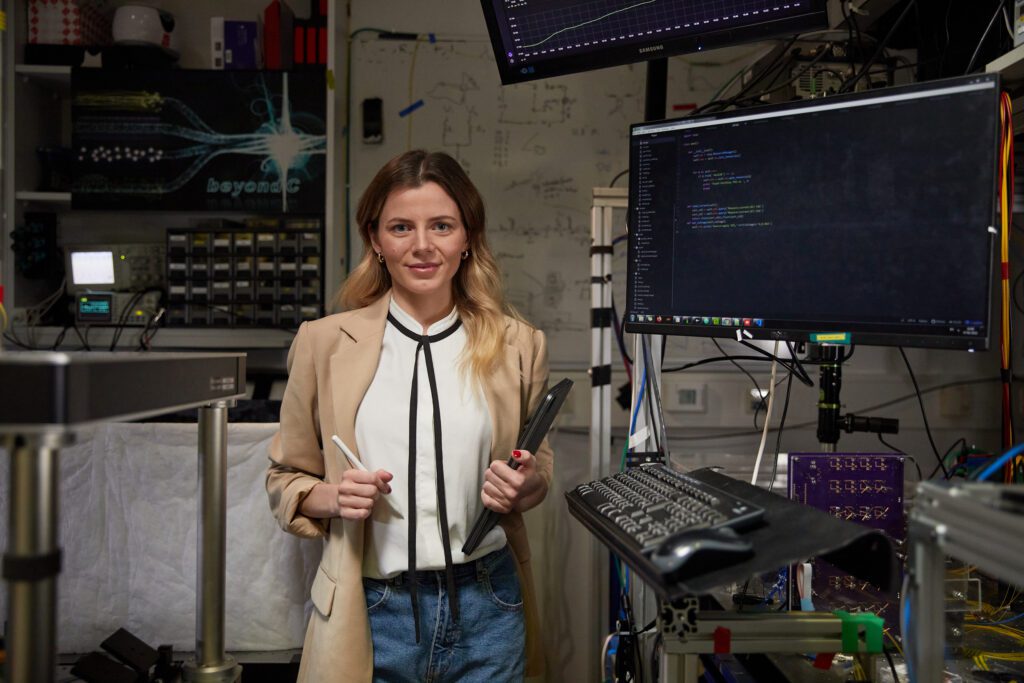
Image 2A key strength of the University of Vienna’s Master’s in Physics programme is the opportunity to engage early in active research areas. © Constant Evolution, Kerstin Hammerschmid. Source: University of Vienna
Comprehensive curriculum, flexible structure
The English-taught Master’s in Physics starts with core courses that build a strong foundation, followed by more advanced lectures, seminars, and lab courses that connect you with active research groups.
Specialisation is part of the curriculum. Whether your interests lie in quantum physics, materials physics, environmental physics, or fundamental physics, you can tailor your studies to experimental, computational, or theoretical approaches.
“Many students first engage with a group during their master’s thesis; some get involved earlier through specialised courses or projects when it aligns with their background and interests,” says Stefan Fredenhagen, Dean of the Faculty of Physics. “The flexibility is substantial, and it gives you the opportunity for a steep specialisation that allows you to contribute meaningfully to a research project.”
This master’s lets you write your thesis while working alongside scientists in a vibrant research ecosystem. You get to join seminars, collaborate across borders on ambitious initiatives, and acquire the skills necessary for PhD programmes.
If you’re a self-starter and team player with a strong background in physics and mathematics and are motivated to learn quickly, you’ll thrive. “Some arrive with a specific focus; others use the first semester to explore before narrowing down,” says Dean Fredenhagen. “In all cases, we expect readiness for advanced coursework and a willingness to engage with research groups when the fit and timing are right.”
Bayat is really enjoying how wide-ranging and deep the programme is, crediting this to her background in physics and astronomy. She reflects on her own chosen path in quantum physics, one of the many the master’s programme offers. “The master covers everything from the theory of quantum mechanics to specialised courses in experimental quantum optics.”
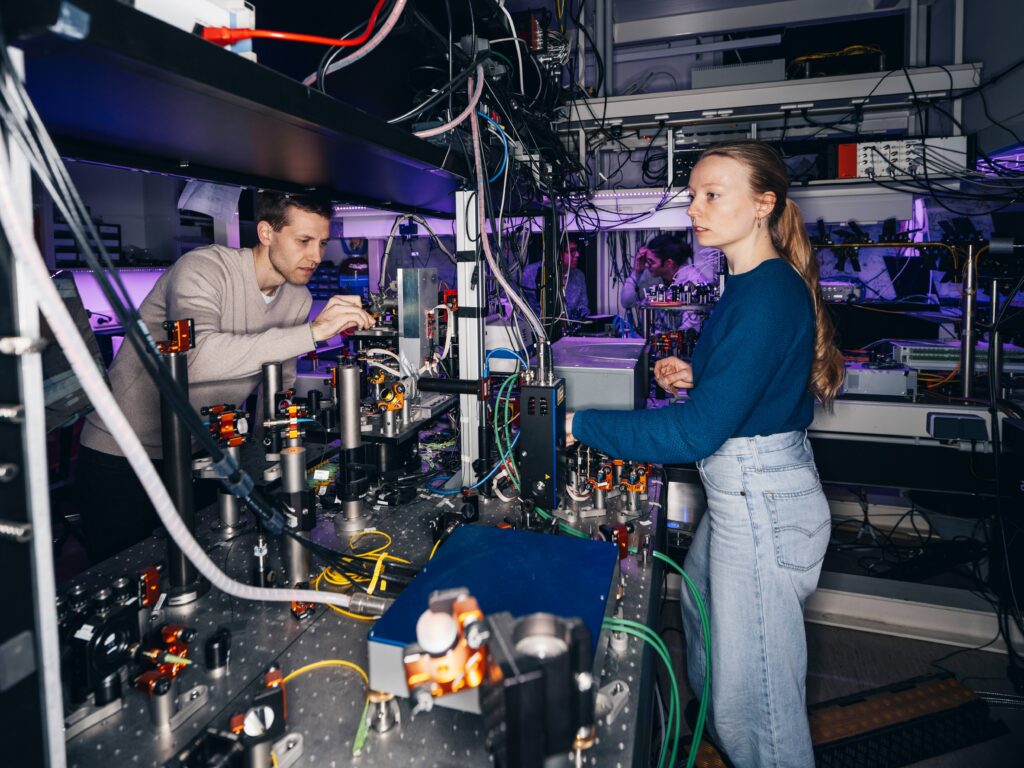
Image 3 Graduates of the Master’s in Physics at the University of Vienna gain advanced knowledge and research skills for independent scientific work. ©: Ian Ehm. Source: University of Vienna
The best kind of teaching and learning
Courses are led by active researchers from different areas, who combine technical expertise with enthusiasm. Internships and international summer schools enrich the master’s even more, with valuable hands-on practice and exposure to science communities beyond Vienna.
Armed with new knowledge, skills, and experiences, graduates emerge ready for undertaking deep-research endeavour, such as starting their PhD studies at top European institutions. Others find roles in research and management across industry, software and AI, finance, consulting, and cutting-edge technologies.
“You’re surrounded by people from all over the world who are going through similar academic and cultural experiences, which makes the transition much easier and creates a supportive and motivating environment both academically and socially,” Bayat says.
Learn more about the Master’s in Physics at the University of Vienna.
Follow the University of Vienna on Facebook, Instagram, YouTube, and LinkedIn