

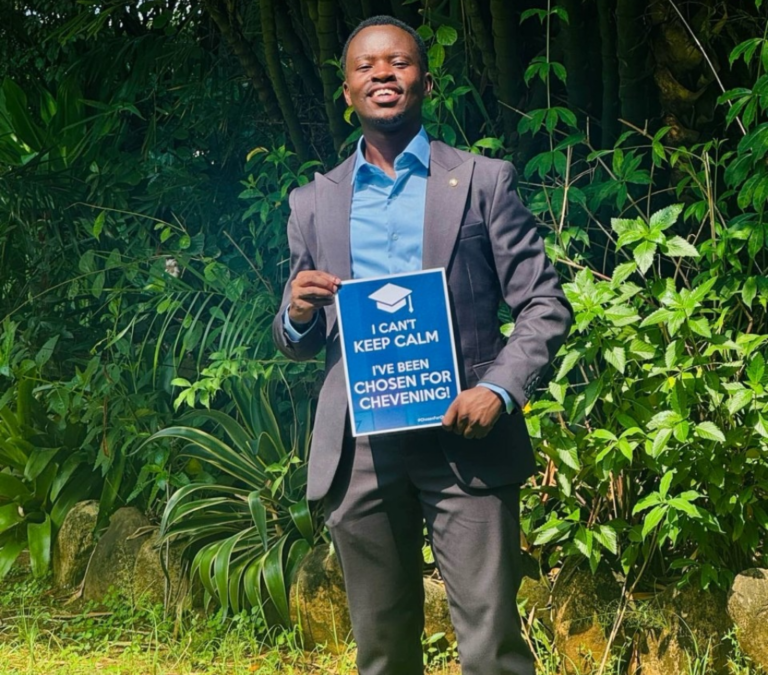


When Emily Godfrey Emily first failed to secure the Chevening Scholarship in 2024/25, he did not give up.
The medical doctor from Tanzania was adamant on earning a UK degree because he believed children in his home country and region deserve better than to live with sickle cell disease, type 1 diabetes, and leukaemia.
When tried again the next year, Emily succeeded. He was finally on his way to pursue scholarship to pursue the MSc in Precision Medicine at University College London (UCL).
“It was a dream come true,” he says.
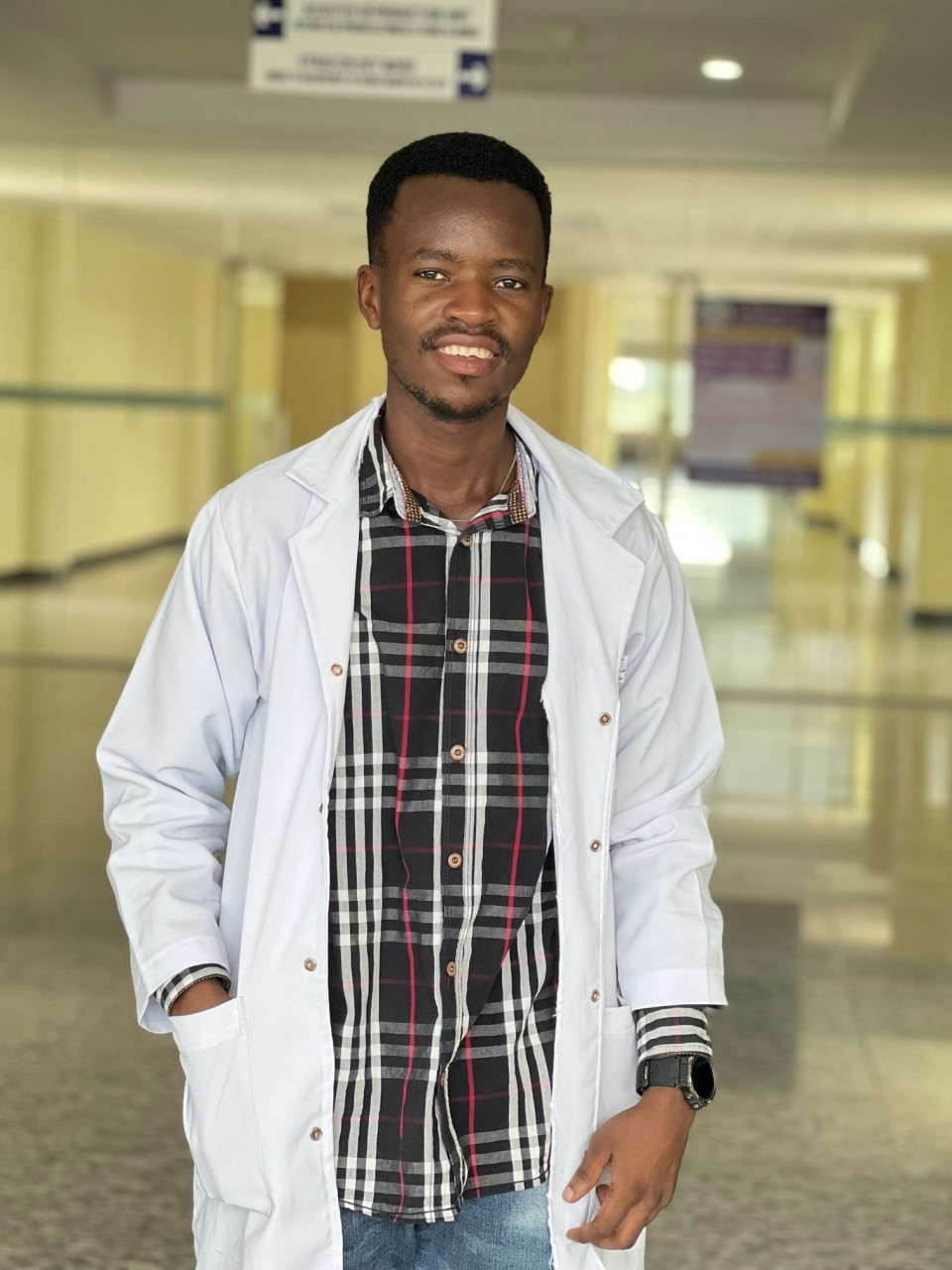
Growing up in western Tanzania, Emily developed an interest in medicine that would eventually take him to the UK to pursue advanced studies. Source: Emily Godfrey
A dream shaped by what he saw
Emily grew up in Kigoma, a region in western Tanzania on the shores of Lake Tanganyika. His father worked as an accountant, while his mother was a primary school teacher. After attending English-speaking schools, many of them Catholic, he went on to study medicine at Hubert Kairuki Memorial University in Tanzania.
“If someone asked me what I wanted to be, I would usually say a cardiologist,” he says. “When I was a child, I was very specific about wanting to become a cardiologist, although I didn’t have a particular reason for it. It was simply a childhood dream.”
As he began studying medicine, however, he started to see the profession differently. Spending time in hospitals exposed him to the many people who were suffering and struggling to access the care they needed.
He also began to understand the challenges facing Tanzania’s healthcare system, particularly the shortage of medical professionals and equipment in rural communities.
“As I continued my studies, I kept thinking about how I could use my skills to help people in rural areas,” he says.
By the end of 2023, Emily had graduated and qualified as a doctor. During the first year of his posting to a referral hospital in rural Kigoma, one problem in particular caught his attention: children with sickle cell disease were often brought to the hospital only when they were already experiencing a medical crisis.
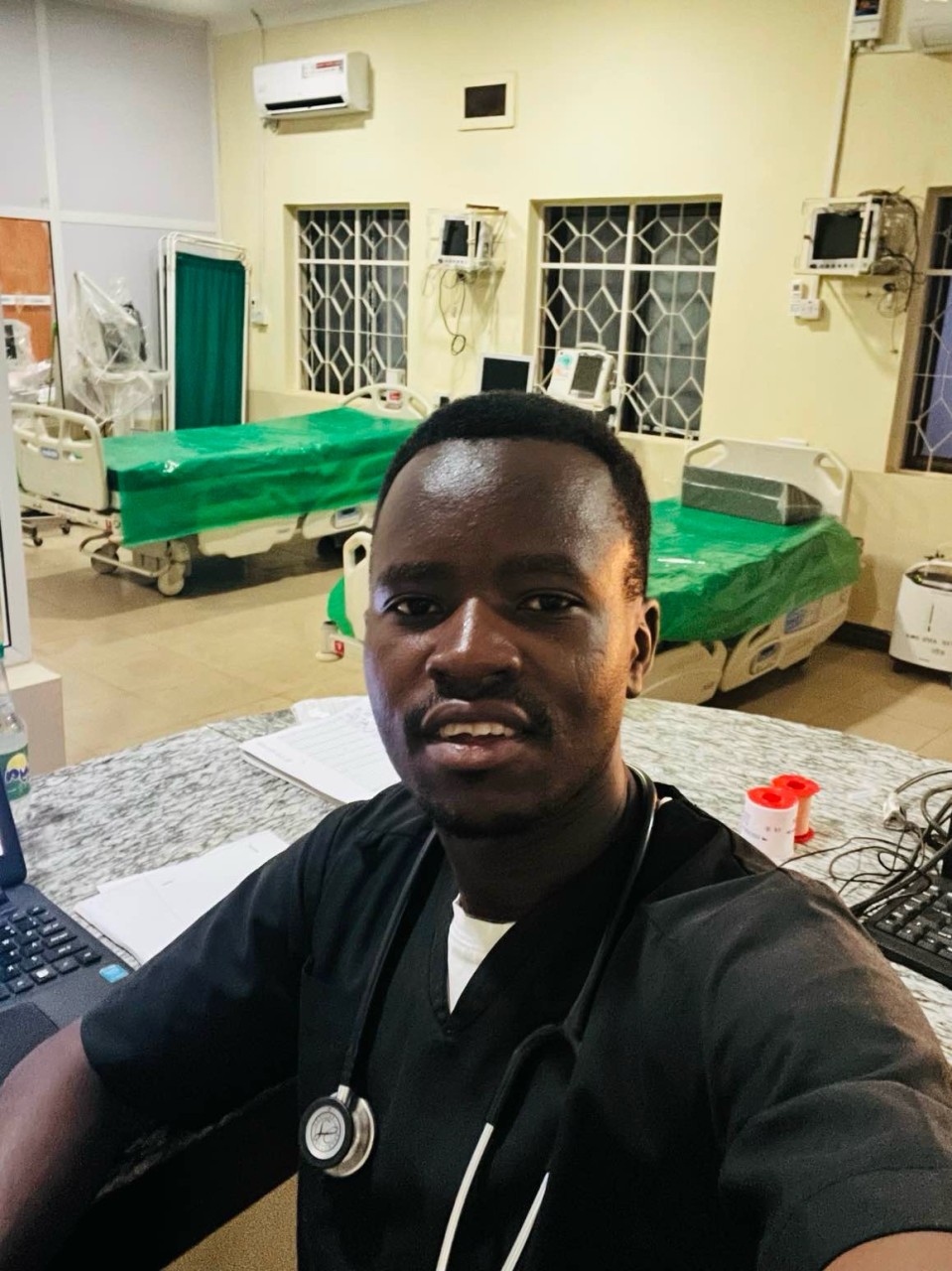
Emily initially dreamed of becoming a cardiologist, but his experiences in hospitals led him to discover a deeper purpose in improving healthcare access. Source: Emily Godfrey
Starting with one clinic
Sickle cell disease is an inherited blood disorder that causes red blood cells to become sickle-shaped, potentially blocking blood flow and causing severe pain and other complications — sometimes requiring hospital care or blood transfusions.
Emily noticed that many children were not receiving the regular follow-up care needed to manage their condition. Clinics offering specialised care were mostly based in urban hospitals, making them hard for rural families to access.
As a result, parents often brought their children to the hospital only when their condition became urgent. By then, the children were already suffering, and their families faced the added financial burden of hospital stays that could last several days.
Care that’s more regular and closer to these families could help prevent such crises.
Emily began encouraging parents to bring their children to a dedicated sickle cell clinic after they were discharged and, with their consent, add the children to a list for monthly appointments. So far, more than 10 children have joined the programme and are receiving regular follow-up care.
But Emily knew that running a clinic was only part of the solution. For more children to benefit, their families needed to understand the importance of regular care. “I have therefore been conducting educational campaigns to raise awareness of the importance of clinics for sickle cell disease, reaching out to the wider community and primary schools,” he says.
The initiative is ongoing, and he hopes more families will join as awareness grows. At the same time, he wants to help build a system that identifies risks earlier and provides treatment better suited to each patient’s needs.
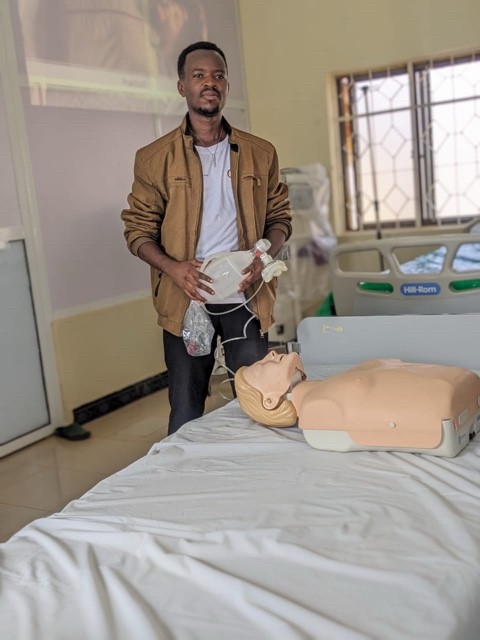
Emily established a dedicated sickle cell clinic to encourage regular follow-ups and help children receive care before their conditions become critical. Source: Emily Godfrey
Bringing precision medicine to Tanzania
That ambition has led Emily towards precision medicine. The field uses information such as a person’s genetic data to help researchers and clinicians understand diseases and improve how they are diagnosed, prevented, and treated.
As he learnt more about the field, Emily began following African researchers whose work reflected his interests. These included Professor Julie Makani, whose research on sickle cell disease influenced him, and Dr. Muhammad Zahir Alimohamed, who has worked to advance genomics and collaboration across African countries.
Their work also highlighted a challenge that Emily hopes to address: the underrepresentation of African populations in genetic research. Much of the available data has historically come from Europe and other Western countries. Without sufficient data from African populations, research may not fully reflect the genetic backgrounds of patients in Tanzania.
This matters because many medicines used in the country are developed elsewhere. More research involving African populations could help scientists better understand how treatments work for local patients.
“There is still much more work to be done,” Emily says. “I want to contribute to the advancement of precision medicine, particularly in improving the treatment of non-communicable diseases.”
To pursue this goal, he knew he needed specialist knowledge and research skills that were not readily available through local university programmes. This led him to look for opportunities to study abroad, and the UK stood out for its progress in bringing precision medicine from research into healthcare policy and practice.
“As for UCL, its curriculum was what interested me first,” he says. “The modules were highly relevant to what I want to achieve. Plus, I wanted to learn from leading experts in genomics who are based at UCL. The university is home to a major genomics research environment, including the UCL Genomics laboratory.”
But to turn this plan into reality, he needed funding. That was where the Chevening Scholarship came in.
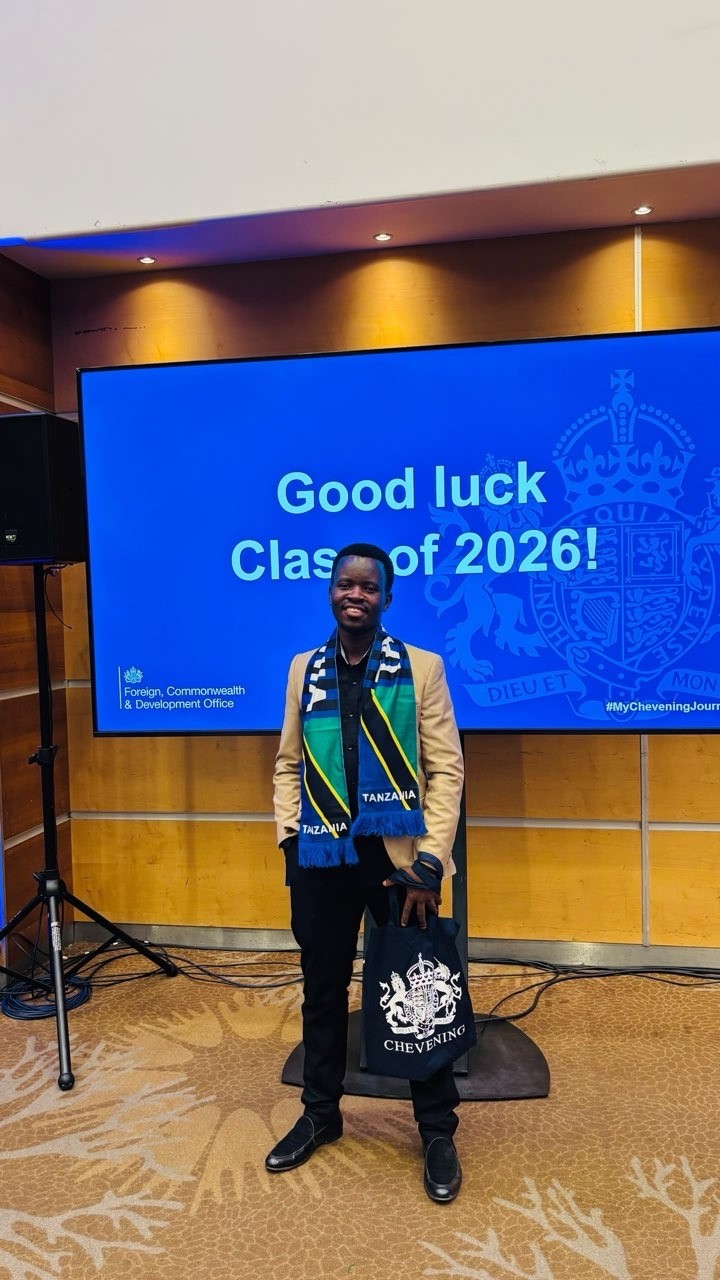
Through his MSc in Precision Medicine at UCL, Emily will explore how genetic information can improve disease diagnosis and treatment. Source: Emily Godfrey
More than a scholarship
For Emily, Chevening offered more than financial support for his studies. Its focus on leadership and its global network of scholars and alumni also appealed to him. He sees these connections as an opportunity to learn from others, build research partnerships, and find new ways to improve healthcare in Tanzania.
His long-term goal is to bring that knowledge back home. By combining what he learns at UCL with the work he has already started in Kigoma, he hopes to help more hospitals adopt precision medicine approaches and make better care accessible to more patients.
Achieving that will take time, research and collaboration. For now, Emily is building the knowledge and connections he needs to take the next step.
“It has been exciting so far,” he says. “Each subject is taught by an expert in that particular field, which is interesting for me because I want to learn from people who are actively practising in their areas of expertise. Being taught by experts is one of the things I enjoy, and I look forward to learning more from them.”
Popular stories
Cafés, vintage shopping, pizza: The best way to spend your first 24 hours in Tokyo as an international student

Make your next big career move with Vanderbilt University’s MBA

10 best free textbook websites for students in 2026

The best scholarships in South Korea for international students in 2026