

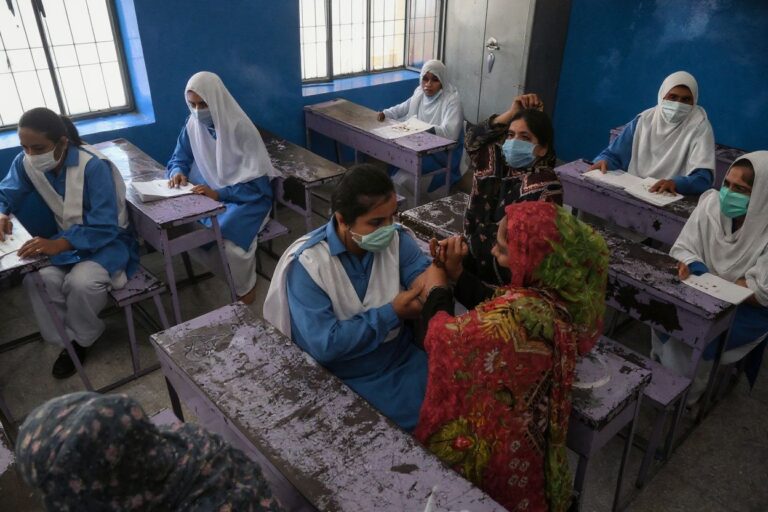


As Pakistan faces a fifth wave of the pandemic, driven by a surge of Omicron cases in Karachi, students are bracing for another round of the “Pakistan red list” effect, which could bar citizens and residents from travelling.
“Clear evidence now of a beginning of another Covid wave which has been expected for last few weeks,” Asad Umar, Pakistan’s minister in charge of the country’s coronavirus response, told the South China Morning Post.
On Dec. 13, Pakistan reported its first case of Omicron. As of Jan. 3, 2022, it is recording its highest tally in two months, with more than 700 COVID-19 infections this Monday. The positivity ratio is now 1.55%, the highest since Oct. 24, according to the National Command Operation Centre (NCOC), which is overseeing the pandemic response.
Genome sequencing in Pakistan had detected a growing number of cases of the Omicron variant, most prominently in Karachi. “So far Pakistan has recorded 372 cases of the Omicron variant,” Dr. Faisal Sultan, a special assistant to the prime minister on health issues, told Reuters.
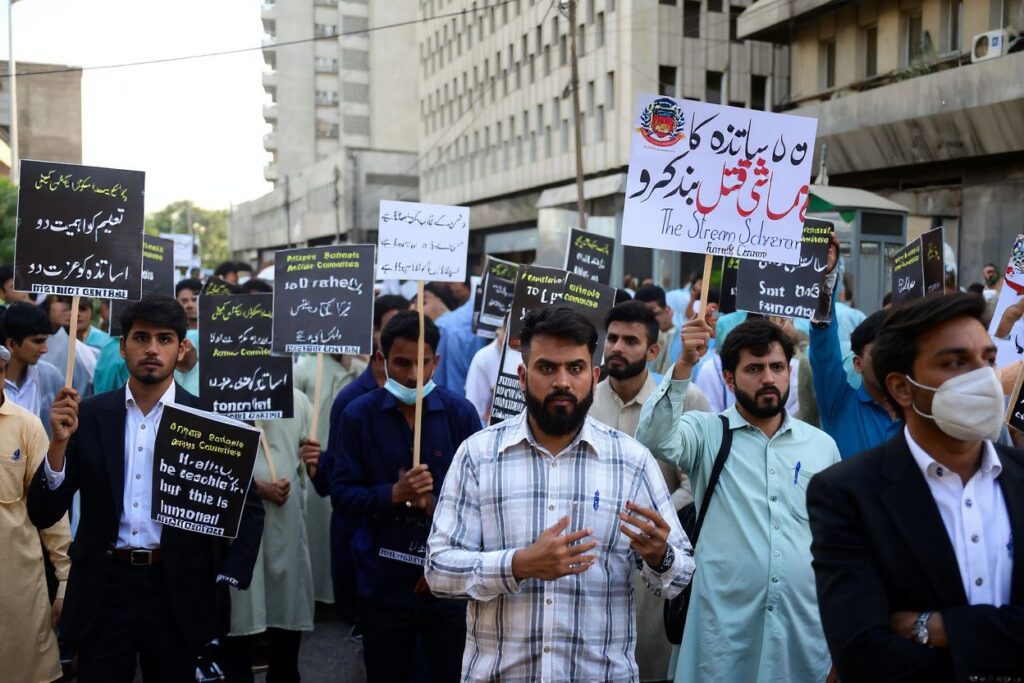 Previously, Pakistan was previously red-listed by the UK along with India in early April last year due to surging case numbers and the emergence of the Delta variant.
Pakistan red list: Learning from the past
Previously, countries like the UK refused entry to those who come to Britain from Pakistan in early April last year due to surging case numbers and the emergence of the Delta variant.
The decision was then criticised by UK MPs who dubbed it as “consciously and knowingly discriminatory.” They also criticised the government for keeping Pakistan on the red list while allowing India the status of amber in its updated guidelines issued on Aug. 4, 2021. The travel ban on Pakistan was only lifted five months later, on Sept. 22, 2021.
In addition, EIGHT countries and territories will come off the red list 🔴 from Weds 22 Sept at 4am, incl. TURKEY, PAKISTAN and MALDIVES.
— Rt Hon Grant Shapps MP (@grantshapps) September 17, 2021
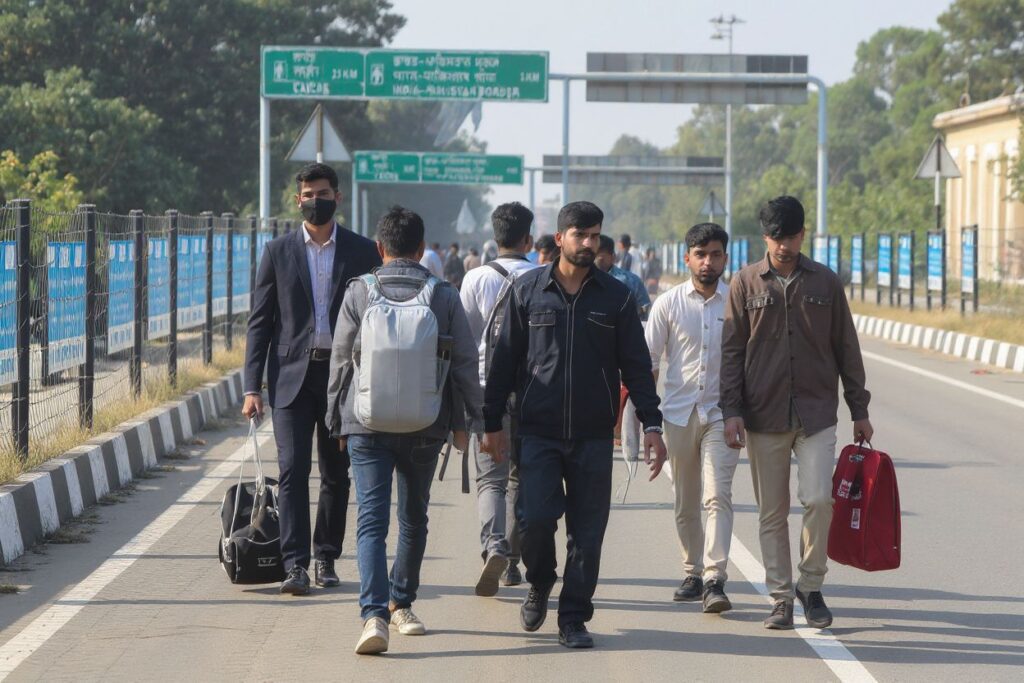 As of now, the COVID case numbers in Pakistan are pretty low compared to other nations suffering through the Omicron variant. Source: Narinder Nanu/AFP
It is highly unlikely that countries will impose a travel ban on Pakistan. As of Jan. 5, 2022, the COVID-19 case numbers in Pakistan are significantly lower compared to other nations like the UK and US (Pakistan: 898 cases; UK: 218,724 cases and US: 885,541 cases).
Daily case numbers is a factor used by the UK to decide whether a country is in or out of its “red list. Its “traffic light” system determines a country’s status is red, amber or green, each of which entails different rules, and terms for travel and quarantine.
The rules for which countries are under which status are far from transparent. According to a report done by the Independent, the UK Government’s reason for placing a country on the red list include known variants of concern, known high-risk variants that are under investigation, and very high in-country or territory prevalence of COVID.
Unlike the UK, the US implement travel bans on any countries that are high-risk or in the case of Omicron, highly concerning variants.
Dr. Anthony Fauci has stated, “That’s certainly something you think about and get prepared to do. You’re prepared to do everything you need to protect the American public. But you want to make sure there’s a basis for doing that,” after WHO’s criticism over the UK travel ban on South Africa on Nov. 26, 2021.