

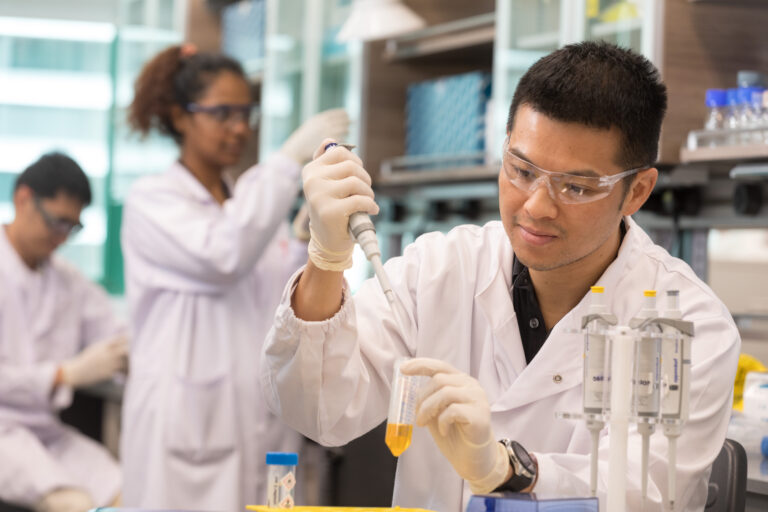


If you’ve just graduated with a bachelor’s degree in forensic science or its related disciplines, getting a job might be the first thing on your mind. That’s a sensible option, especially when practical skills are such a big part of the profession. You’ll be learning a great deal from handling actual cases, operating instruments, writing reports, or testifying when needed.
But going straight into work isn’t your only option. If your job cannot deliver the professional opportunities or experience that you’re looking for, a master’s degree in forensic science is worth serious consideration. Besides giving you advanced expertise in the latest technologies and industry practices, it can expand your professional network and prepare you for a wider range of career paths, including leadership, consultancy, research, and education.
Ready to elevate entry-level forensic science and start standing out as a specialist? Here are three world-leading universities in Asia, Europe, and the US that offer master’s degrees in forensic science.
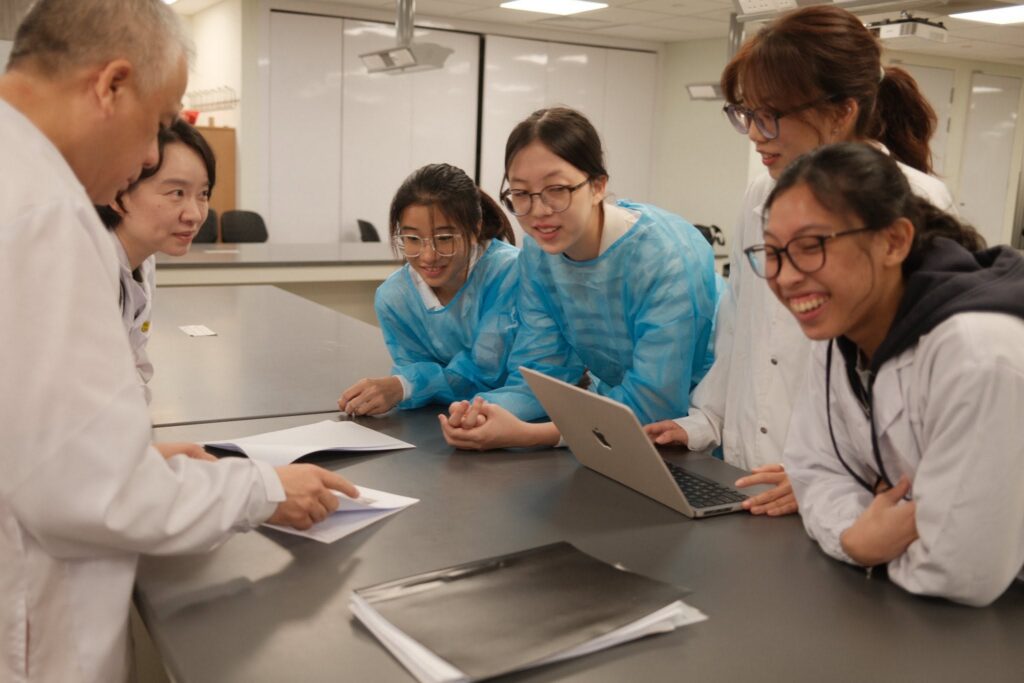
With courses like Advanced CSI Techniques and Survey of Forensic Science, you’ll learn how scientific techniques are used in real criminal investigations and the role they play in the justice system. Source: National University of Singapore
National University of Singapore
As a forensic science student at the National University of Singapore (NUS), you can learn crime scene techniques from police investigators, examine how evidence shapes major criminal cases, and study the detection of threats ranging from counterfeit products to hazardous materials. These are among the experiences and subjects covered in the MSc in Forensic Science, offered by the Department of Biological Sciences.
The programme takes a wide-ranging approach to a field where science, criminal investigation and the law frequently intersect. Its courses span digital forensics, forensic toxicology, forensic psychiatry and psychology, advanced crime scene investigation, and forensic defence science. You can examine how DNA evidence moves from crime scenes to courtrooms, how chemical and molecular testing can expose food adulteration, and how forensic findings have influenced the outcomes of major criminal cases in Singapore.
Much of the programme’s appeal lies in who delivers the lessons. NUS works with agencies including the Singapore Police Force (SPF), the Ministry of Home Affairs (MHA) and the Institute of Mental Health, giving you access to perspectives shaped by professional forensic practice. For example, in the “Advanced CSI Techniques” course, experts from the SPF’s Criminal Investigation Department teach forensic documentation, photography, and the scientific evaluation of fingerprint evidence. You’ll learn why the quality of evidence collection and documentation matters long before a case reaches court.
Experience extends into operational settings. Through “Forensic Defense Science,” you’ll learn from specialists in MHA’s Unconventional Threats Division, whose work involves detecting chemical, biological, radiological, nuclear and explosive threats. The course includes first-hand exposure to forensic applications at MHA’s laboratories at checkpoints, alongside the scientific principles and legal frameworks governing these materials.
You can even put your own investigative thinking to work through the programme’s research project. Under the supervision of NUS faculty members, with the possibility of industry co-supervision, you’ll investigate forensic science problems using scientific techniques. Your work culminates in a written report and oral presentation, bringing together the research, analysis, and communication skills central to forensic practice.
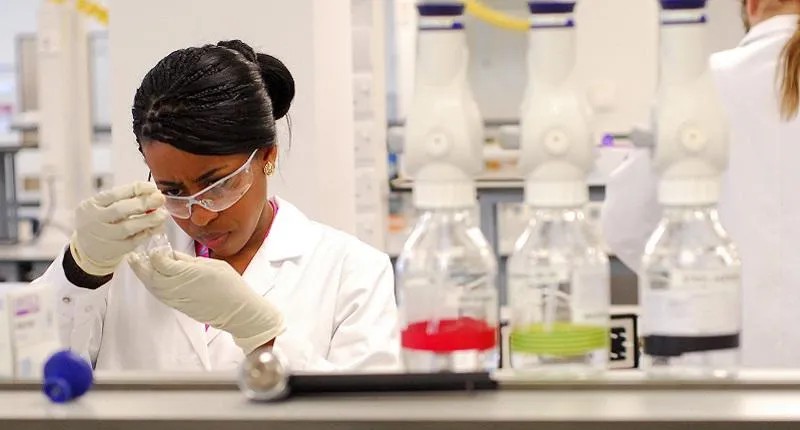
King’s Forensics is home to three accredited laboratories that study anti-doping, DNA analysis, and fingerprint detection. The faculty works closely with UK government organisations, including the Home Office and Ministry of Justice. Source: King’s College London
King’s College London
With expertise unmatched anywhere in Europe and beyond, and long-standing service contracts with government departments, King’s Forensics has established itself as a trusted name in the field. It brings together research, teaching, and accredited laboratory services across five main themes: anti-doping science, forensic genetics, forensic and analytical science, international forensics, forensic science policy, regulation and practice, and forensic traces.
The one-year Forensic Science MSc/MRes is the longest-running programme of its type in England, is accredited by The Chartered Society of Forensic Sciences and is the only programme to be twice awarded five commendations for excellence. Highly acclaimed at home, in the EU, and beyond, the programme stands out for its partnerships with organisations such as the Metropolitan Police Forensic Services Directorate, Eurofins and the City of London Police Forensic Services Directorate.
Project placements are just as distinguished, with options such as the US National Institute of Standards and Technology (NIST), New Zealand Institute of Environmental Science and Research (ESR) and the Universities of Amsterdam, Lausanne, and Santiago de Compostela. These provide exposure to cutting-edge technology and methodology at the forefront of forensic science research and development. For more research experience, you can extend your project to 28 weeks, earn an extra 60 credits, and work towards a Master of Research.
Behind the programme is Dr. David Ballard, a forensic scientist with more than 20 years of experience in forensic casework and research. When he’s not working as the principal scientist at King’s ISO 17025-accredited DNA analysis laboratory, he is advancing research in forensic genomics and contributing to wildlife conservation efforts through DNA analysis.
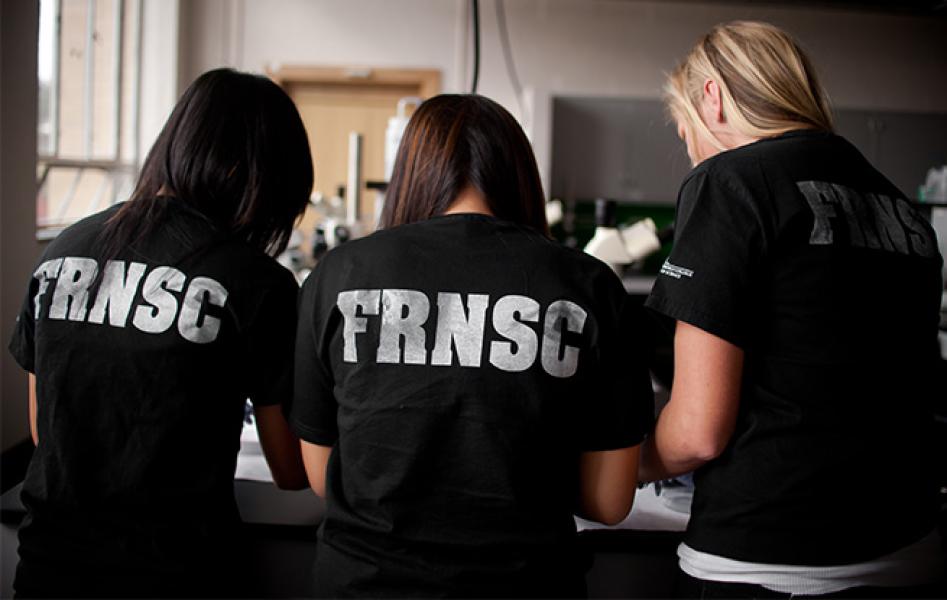
With the Master of Professional Studies (MPS) in Forensic Science, you’ll learn the essentials of criminalistics while exploring your interests through crime labs and crime scene investigations. Source: The Pennsylvania State University
The Pennsylvania State University
Want to see how your science background can apply to forensic investigations? You can do just that with the two-year Master of Professional Studies (MPS) in Forensic Science at Pennsylvania State University’s Eberly College of Science. Open to graduates with a degree in natural sciences such as Chemistry, Biology, or Forensic Science, this Forensic Science Education Programmes Accreditation Commission (FEPAC)-accredited programme adopts a holistic, crime-scene-to-courtroom approach.
Over two years, you’ll receive specialised training in forensic biology, forensic chemistry, and criminalistics in state-of-the-art crime scene training facilities. Research is an important part of the experience, but you won’t need to complete a thesis and funding for research and research-related activities is provided. When you’re not working on your research, you’ll be putting your knowledge into action through hands-on crime laboratory training and mock casework. You’ll even get a closer look at the legal side of forensic science by observing courtroom proceedings and interacting with forensic experts, criminal lawyers, defence attorneys, and police investigators.
Teaching is led by experts in bloodstain pattern analysis, crime scene investigation and reconstruction, chromatography and spectroscopy, controlled substances identification, and more. Combined with the programme’s hands-on training, their expertise will prepare you for a career in forensic science, criminalistics, and law enforcement across the public and private sectors.
*Some of the institutions featured in this article are commercial partners of Study International