



Bob Ngoh spent years building a career in banking. He earned an MBA at Coventry University London, worked his way up the corporate ladder, and eventually became a priority private director at AmBank Group.
By most measures, he had built a career many would be reluctant to walk away from. Yet, at 36, that was exactly what he did
Bob took a chance on a completely different path and became a content creator, sharing what he knows about personal finance, building wealth, and making better financial decisions.
It was a bold move, but Bob’s career had never followed a straight line.
“My journey has taught me that your degree can be a starting point without determining your entire future,” he says.
His journey began with a chemical engineering degree at a local university in Malaysia, a choice he made largely because he had studied science in school. But during university, he discovered that engineering wasn’t where his interests lay. He was far more drawn to business and finance.
Rather than ignoring that interest, Bob decided to explore it.
After spending a year working as an engineer, he moved to London to pursue an MBA at Coventry University’s London campus. That decision eventually led him into banking, where he spent several years working with clients and building his career.
Then came another turning point. At 36, he decided that the career he had worked so hard to establish didn’t have to be the one he pursued for the rest of his life.
Today, Bob is a Malaysian personal finance and lifestyle content creator, as well as a father of twins. Through his content, he makes financial knowledge more accessible, helping his audience better understand money, build wealth, and make informed financial decisions.
His approach has resonated with audiences, helping him grow his following from 2,000 to 92,000 in just one year.
We spoke to Bob about changing direction, taking career risks, and finding the courage to start again, even after spending years building something else.
The following interview has been edited for clarity.
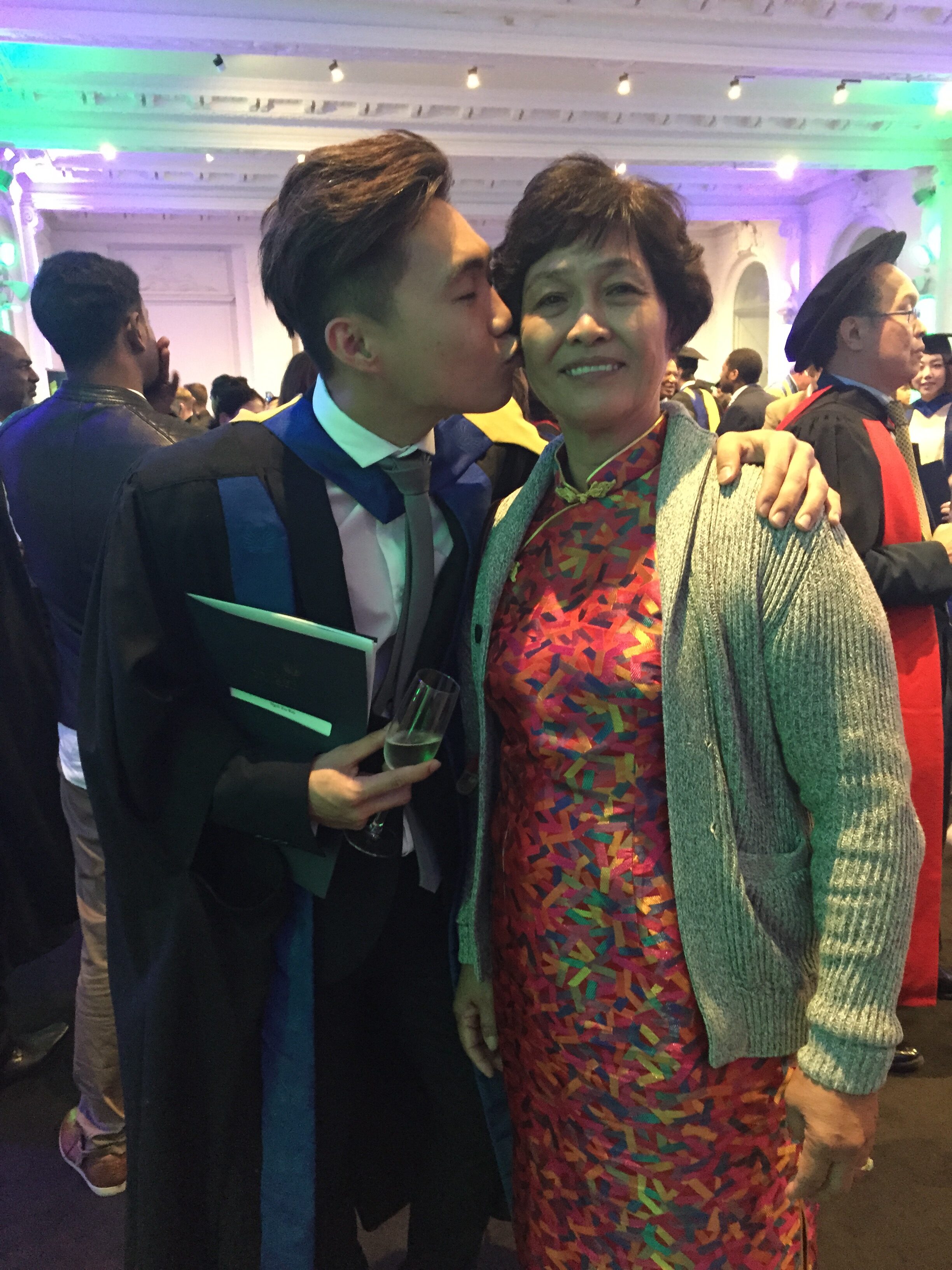
Bob became interested in finance after watching finance videos, so he decided to pursue an MBA at Coventry University’s London campus. Source: Bob Ngoh
When did you first realise banking might not be the right long-term career for you?
I wanted to build enough wealth to buy back my time and have the freedom to make my own choices. When I joined the bank, I gradually became more financially literate and started saving and investing.
Working in banking exposed me to clients with net worths of over a million to as much as RM 200 million. Coming from a modest family without much privilege, I wondered how someone like me could build wealth and escape the rat race. That led me to the Financial Independence, Retire Early (FIRE) movement. When I joined the bank at 29, I began mapping out a plan to achieve financial independence by 45. Initially, it was a 15-year plan, with wealth targets set for different stages of my life. However, as my earnings improved, I realised I could reach my goal sooner. Gradually, I shortened the timeline, first to 40, and then to 38.
However, at 35, I received a substantial bonus in 2024 that allowed me to bring that timeline forward by two years. Around the same time, the bank underwent a major restructuring, and the changes no longer seemed beneficial to my career. I realised I had accumulated enough to consider Coast FIRE, where my existing investments could potentially grow to fund my future retirement without requiring me to save as aggressively.
So, I decided to leave banking, rest, and take a mini-retirement. I wanted to think seriously about the kind of life I wanted to build. Now, I can choose what I work on, where I work, and who I work with. That freedom was what I had been working towards all along.
Did leaving banking ever feel like wasting your MBA or the years you had invested in your career?
No. I don’t see my MBA as a waste, especially considering how much I invested in my education and career. It shaped the way I think about business, strategy, and decision-making. My chemical engineering background also equipped me with analytical skills, and together, these qualifications helped me excel in banking.
I entered the banking industry at 29 with no prior experience. In fact, I became the first person in the bank’s history to be hired directly as a Preferred Relationship Manager without a banking background. In Malaysia, relationship managers serving premium banking clients typically spend three to five years working as personal bankers before progressing to Preferred, Priority, or Premier Banking roles.
I bypassed that conventional route after going through three or four rounds of interviews, largely thanks to my former boss, who took a big chance by hiring me.
Beyond my academic qualifications, banking taught me how to communicate effectively, build trust, understand people’s needs, and handle complex information responsibly. My MBA gave me a foundation in business strategy, while my engineering background strengthened my analytical thinking. Together, these skills helped me succeed in the role.
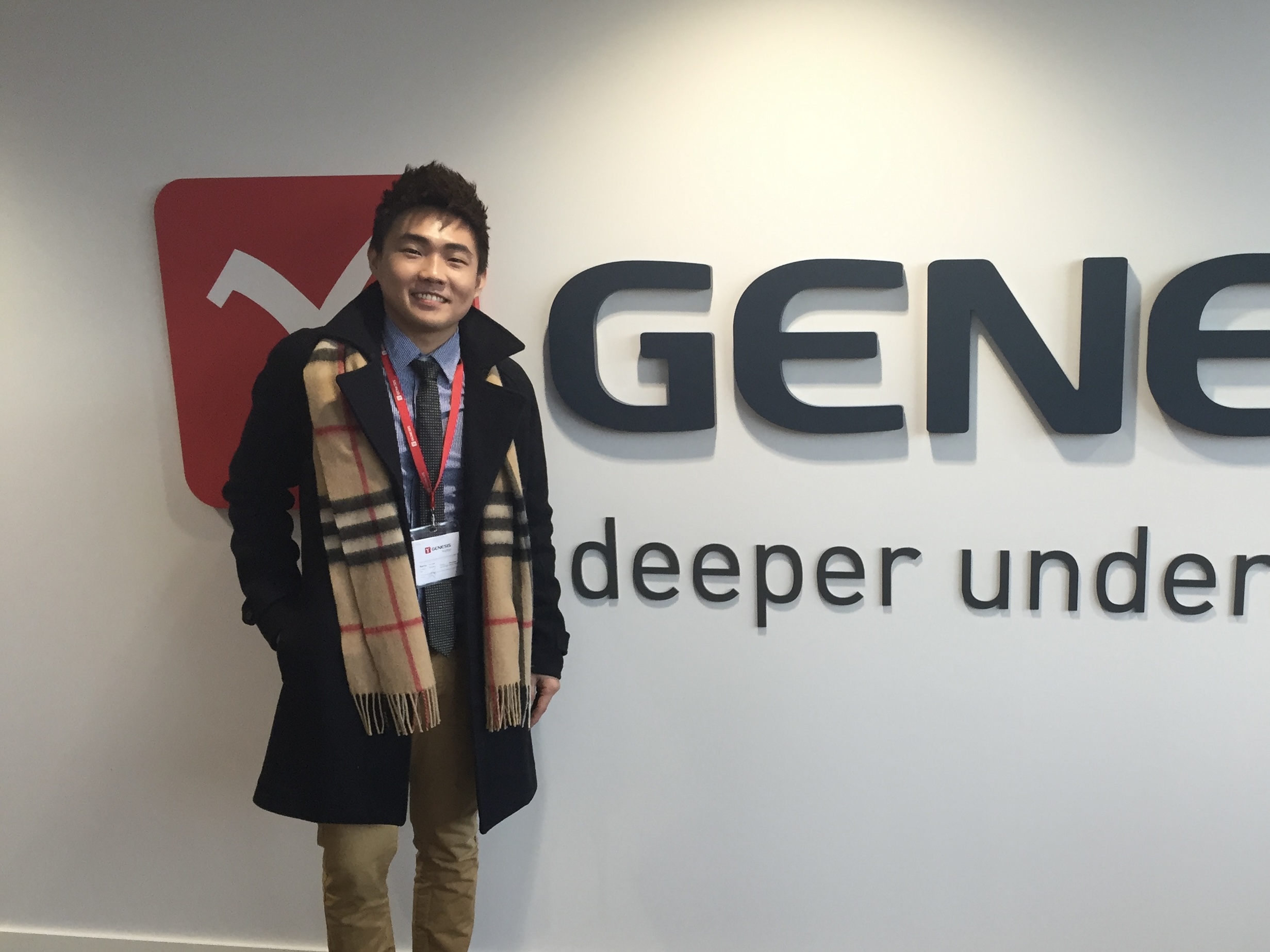
After earning an MBA and spending years in banking, Bob Ngoh chose to build a career on his own terms. Source: Bob Ngoh
What were your biggest fears when you decided to change career, and how did you overcome them?
My biggest fear when I left banking was losing my stable monthly income. Although I had planned for financial independence and built passive income through investments and rental properties, giving up that financial security was still a major adjustment.
Another concern was giving up my established professional identity. Previously, I could tell people I was a banker. Now, I had to introduce myself as a content creator. The title felt a little cliché because anyone could become a content creator. You didn’t need an MBA to do it; even a primary school student could create content. I wondered what made me different from everyone else.
However, I reminded myself that financial independence was about having the freedom to live on my own terms. I had also grown uncomfortable with Malaysia’s corporate hierarchy, particularly the expectation to defer to senior leaders. Having experienced a different working environment during my internship in the UK, I knew I wanted greater autonomy rather than spending my life climbing the corporate ladder.
Many graduates stay in jobs they dislike because they’ve invested so much in that career. What would you say to them?
I always tell people that if a job can help me achieve my next goal, I’m willing to put up with it, even if I don’t enjoy it. I stayed in banking for eight years because I knew it could provide the income I needed to build wealth and eventually buy back my time.
I think many people want everything at once: a good boss, fulfilling work, a high salary, and a positive working environment. But I’m results-oriented. I know what I want to achieve, and I’m willing to endure short-term discomfort to get there.
My advice is to be clear about your ultimate goal. If you dislike your job but it pays well, consider staying until you’re financially secure enough to make a change. If you dislike your job and the pay is poor, look for better opportunities, upgrade your skills, and find ways to increase your income.
However, you shouldn’t stay simply because you’ve already invested years in a career. Past investment alone isn’t a good reason to keep making the same choices.
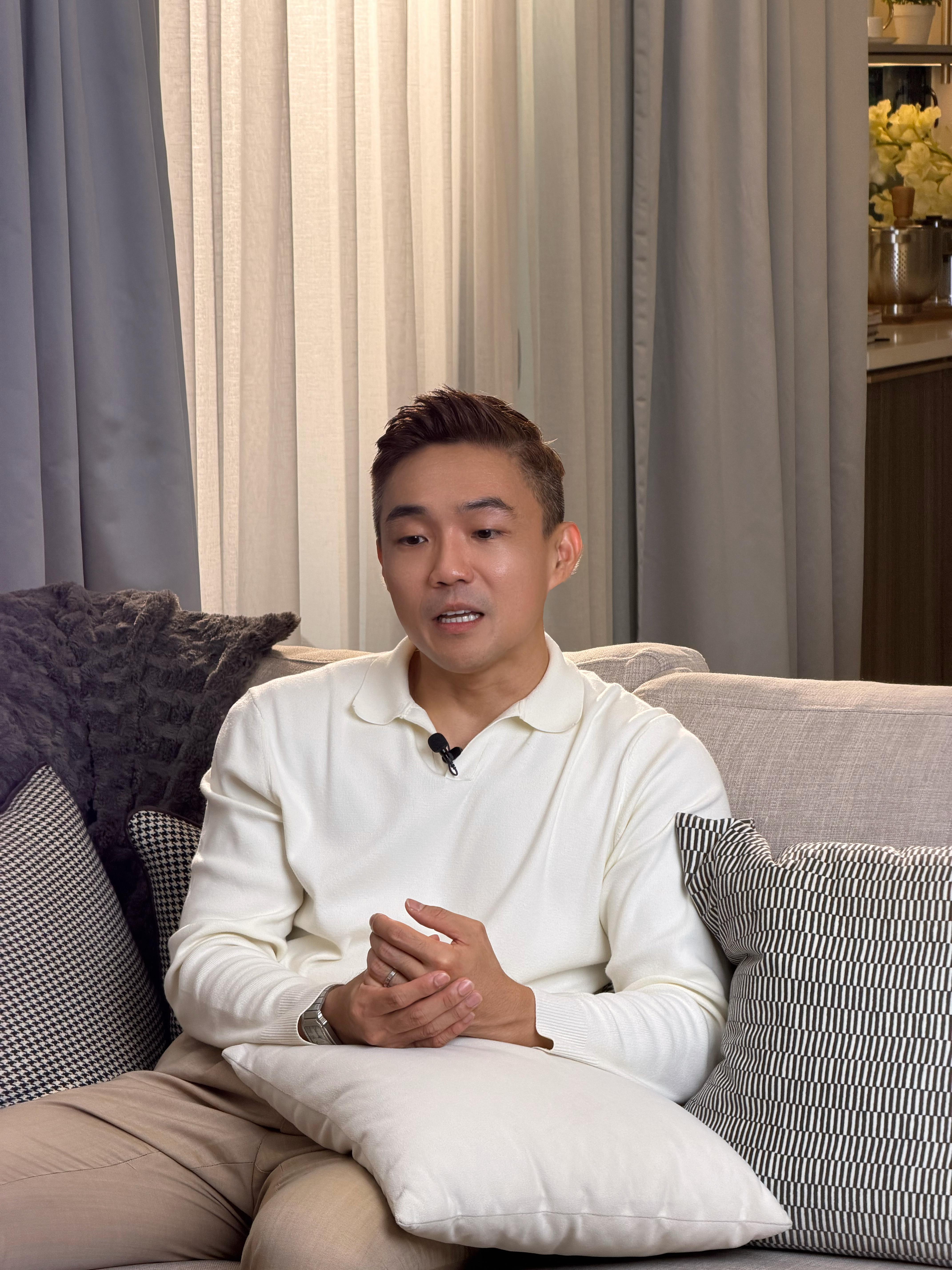
Bob believes your degree should be a starting point, not a limit on what you can achieve professionally. Source: Bob Ngoh
What advice would you give a student who has started working in their field of study but realises it isn’t for them and fears it’s too late to change careers?
I would start by identifying the skills you’ve gained in your current career and how they could transfer to another field. Then, explore that field through conversations, small projects, or relevant courses. You don’t have to abandon everything and start over immediately.
I’ve been through this myself. I didn’t enjoy chemical engineering, but it taught me analytical thinking. My MBA gave me a business mindset, while consulting helped me develop planning skills and become proficient in tools such as Excel and PowerPoint.
I see education as an entry point into the working world. What matters is how you apply what you’ve learned, rather than limiting yourself to the subject you studied.
The key is to build a bridge between where you are now and where you want to be while fulfilling your existing responsibilities. You can’t simply say, “I want to become a pilot,” without figuring out the steps needed to get there.
It’s important to recognise how the work you’re doing today can connect to the career you want in the future. Those connections might not be obvious immediately, but you can build them gradually. Some people only need to connect one or two dots to reach their goals, while others need to connect several along the way. Just take your time and enjoy the journey, because I believe every dot you connect teaches you a lesson.
What’s the first practical step to take when changing careers without formal qualifications or experience in the new field?
If you lack the formal qualifications or experience for your desired field, you can still find a way in. I experienced this when I tried to enter banking without any industry experience. At the time, I was working as a consultant, earning around 8,000 Malaysian ringgit to 9,000 Malaysian ringgit a month. My initial application was rejected because I had no banking experience, so I asked a friend to help me obtain the regional director’s email address.
I then sent the director a structured proposal outlining what I could bring to the role, what I planned to achieve in my first three months and my goals for the first six months. I was so determined to get the opportunity that I even offered to take a 50% pay cut. When I joined the bank at 29, my basic salary was 4,000 Malaysian ringgit.
That initiative secured me an interview. I passed three rounds and eventually got the job. I also didn’t have the required professional licences when I joined. The bank sponsored me to obtain them, and I challenged myself to complete around eight or nine licences within three months so I could take on the role fully.
Within two years, I had progressed in my career. My experience also showed the bank that candidates without banking backgrounds, including those with engineering degrees, could succeed in these roles.
The lesson is that you don’t always need every qualification before pursuing an opportunity. You need to demonstrate what you can offer, take the initiative and find a way to get your foot in the door. Being capable is important, but you also need to create the opportunity to prove it.
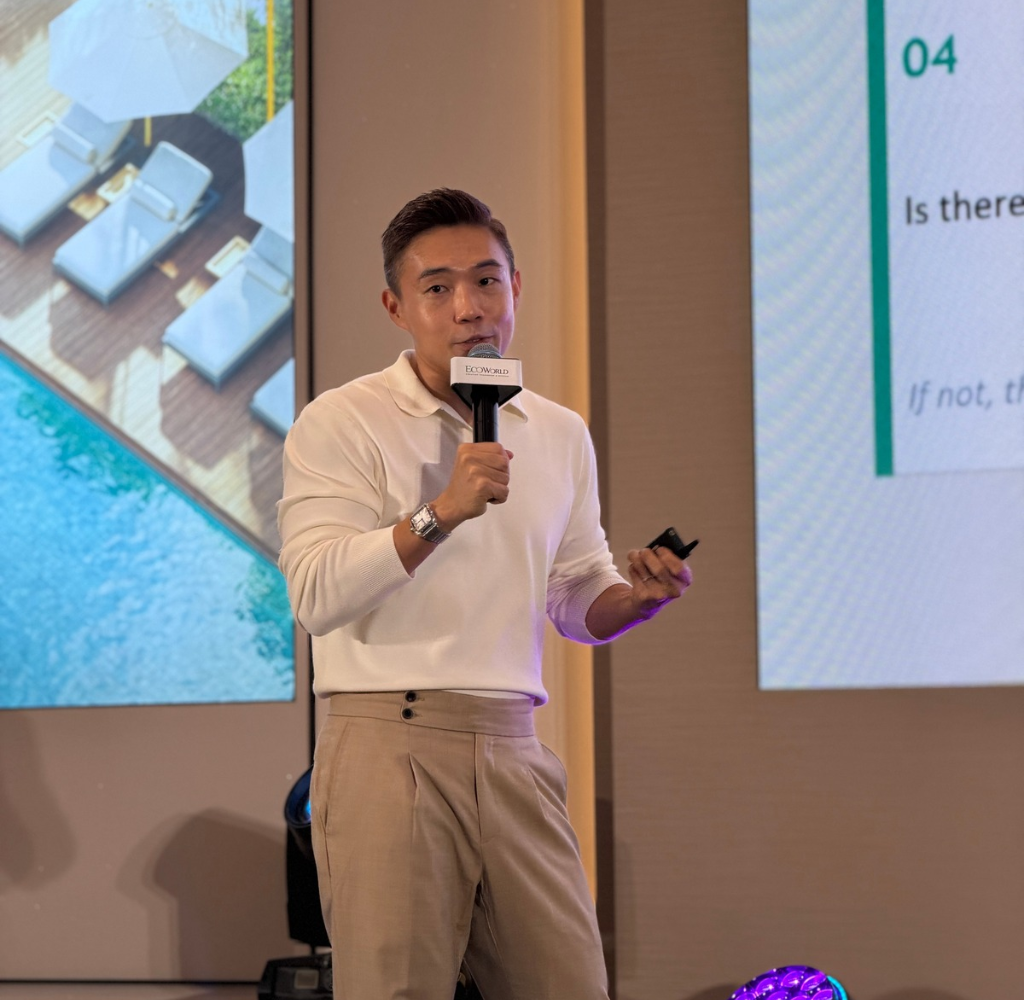
Bob wants to make a difference in people’s lives by making financial knowledge more accessible through his content. Source: Bob Ngoh
Do young graduates put too much pressure on themselves to choose the right career straight after university? What should they understand instead?
I think we often expect young people to make long-term career decisions before they’ve had enough exposure to working life. I experienced this myself.
When I graduated at 23, I didn’t know what I wanted to do. I started as an engineer but didn’t enjoy it, so I pursued an MBA before returning to work as a consultant. When that didn’t suit me either, I moved into banking. I stayed for the good income, eventually leaving to become a content creator. Through these experiences, I discovered that I enjoy work that allows me to think creatively and develop new ideas. That’s what I value about content creation today.
I’m also learning to pace myself and avoid turning something I love into something I resent. I’m planning strategically and expanding my team so I can manage my workload without burning out.
I’d encourage graduates to take their early career choices seriously without treating them as permanent commitments. Your first job can help you understand your strengths, motivations, and preferred working environment, even if you eventually move into a different field.
Every career move teaches you something. If you discover that a job isn’t right for you, you can change direction. Focus on building your skills, developing good working habits, and staying curious. These will serve you throughout your career.