



International schools showed resilience, creativity and commitment in dealing with the coronavirus crisis, a new survey has found. According to the annual Council of British International Schools (COBIS) survey, its 92 member schools rose “admirably” to the challenges, providing high-quality teaching, learning and pastoral care. “There is no surprise in the way that educators and support staff in COBIS schools have responded to the associated challenges of the pandemic,” COBIS CEO Colin Bell told The PIE News. “At every step, school leaders and their teams are to be commended and recognised for their unfaltering commitment to helping students thrive in this period of significant global challenge.”
Among measures taken to respond to the health crisis include home learning, virtual tuition and more refined protection for children. “With the introduction of home learning via virtual tuition, policies connected to child protection and safeguarding have had to be re-evaluated and made fit for purpose,” Bell added. “Safeguarding the health, safety and mental wellbeing of students and staff has also been a key focus, when considering adaptations to policies and procedures.”
Spurred by COVID-19, nine out of 10 schools now allow parents to pay in instalments. Close to two-thirds reduced spending on school trips and events.
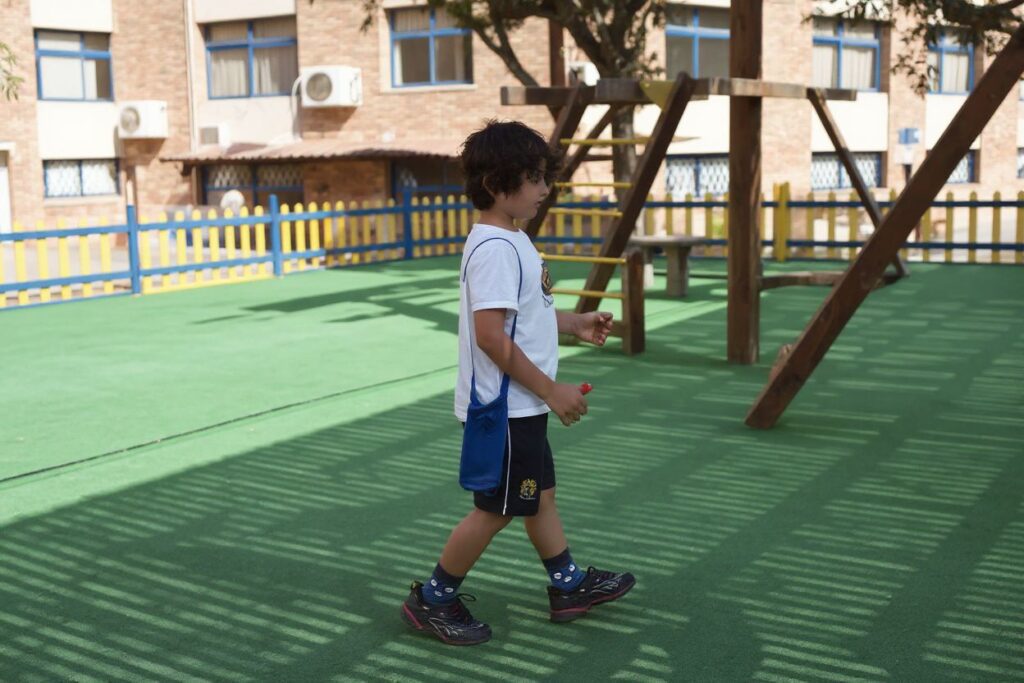 Parents can now pay fees in instalments at a large majority of COBIS British international schools. Source: Khaled Desouki/AFP
Member schools— 250 in more than 75 countries globally — vary in size, enrolling from 27 to 3,000 students. The majority offer both primary and secondary education. As of October/November 2020, over 62% were either teaching solely remotely or with a mixture of face-to-face classes; the rest were fully open. Nearly nine out of 10 leavers (from 2019-20) progressed to university, with half going to a UK university. The rest headed to the US, the Netherlands and Canada.
Recruiting teachers and students, however, took a dip. Nearly half (46%) reported a decrease in pupil numbers; two-thirds of schools said this was wholly or partly due to the pandemic. Two out of five schools were delayed or found it hard to deal with visas or pre-employment checks for teachers. At one-third of member schools, international staff were delayed by border closures and other travel restrictions.
The survey collected school information on curriculum, assessments, school leaver destinations, student and staff nationalities, class sizes, and staff turnover from the 2018-19 academic year.
Popular stories
What the Iran-Israel war could mean for students who depend on ChatGPT, Gemini, and Claude

Europe’s best virtual university campus tours

Many fit, finance bros: Where & what the male cast of ‘Age of Attraction: Season 1’ studied at university

Marketing pros masked at ‘cougars’ and ‘flakes’: Where and what the women cast of ‘Age of Attraction: Season 1’ studied at university