


University is often thought of as a time filled with stress. But it doesn’t have to be.
Here are nine locations across the world offering the most healing environments so you can decompress after a long lecture or difficult exam.

Iceland has a population of around 400,000 people. Image Credit: Visit Reykjavik
1. Reykjavik, Iceland
The combination of geothermal hot springs, dramatic natural landscapes, and the Nordic emphasis on work-life balance creates a restorative atmosphere. The midnight sun in summer and northern lights in winter provide unique seasonal rhythms that many find grounding.
Located in Reykjavik is the University of Iceland, the oldest university in Iceland. It offers a variety of uniquely relevant programmes, such as renewable energy studies, Arctic research, environmental science, and Nordic literature.
There are also strong programmes in geology and geothermal engineering given the country’s unique landscape.
Education in public universities in Iceland is free, even for foreigners. You only need to pay an annual registration fee which is typically around 650 to 700 euros. The best healing countries are those that are accessible, after all.

Kyoto is known for its history and culture. Source: Visit Kyoto
2. Kyoto, Japan
Japan is one of those destinations that most people have on their bucket lists, and for good reason. Of the various areas in Japan, Kyoto is regarded as the most historic cultural heart. Ancient temples, zen gardens, and traditional tea ceremonies offer daily opportunities for mindfulness. The slower pace compared to Tokyo, along with easy access to bamboo forests and mountain trails, makes this ideal for students seeking contemplative study.
One of the most notable institutions here is Kyoto University. One of Asia’s top universities, it is known for producing Nobel laureates, with the latest being Susumu Kitagawa, who obtained the Nobel Prize in Chemistry 2025. Shimon Sakaguchi was also awarded the Nobel Prize in Physiology or Medicine in 2025 as well.
Studying at Kyoto University involves a few key steps: successful candidates must obtain a Student Visa (Ryugaku) through a Japanese diplomatic mission by presenting a certificate of acceptance from Kyoto University, a valid passport, and other required documents.

Wellington is the the world’s southernmost capital city. Source: Visit Wellington
3. Wellington, New Zealand
New Zealand is a country filled with gorgeous landscapes, with its capital of Wellington offering one of the most beautiful and serene backdrops.
Surrounded by mountains and harbour waters, this compact capital offers immediate access to nature. The Kiwi culture emphasizes outdoor recreation and community wellbeing, and the country’s progressive mental health awareness is embedded in university support systems.
The Victoria University of Wellington is one of the options for tertiary education in the city, and it’s a spectacular one. It’s known for creative writing, as it’s home to the International Institute of Modern Letters. It also offers film studies, having close ties to New Zealand’s film industry, as well as environmental science, and public policy.
New Zealand requires an international student visa for all non-citizen students, which you should apply for after receiving your letter of acceptance from the university.

Founded in 1479, the University of Copenhagen is Denmark’s oldest university. Source: University of Copenhagen
4. Copenhagen, Denmark
Consistently ranked among the world’s happiest cities, Copenhagen’s “hygge” culture, extensive bike infrastructure, and waterfront spaces make it a place that prioritises mental wellness and healing.
Danish universities emphasize balanced living alongside academic achievement. One such university is the famed University of Copenhagen. It’s a top-ranked for sustainability studies, climate research, political science, and life sciences.
European Union (EU)/ European Economic Area (EEA) students study in Denmark free of charge, while students from outside the EU/EEA will need to pay tuition and apply for a Danish student residence permit after receiving an offer of admission.

San Sebastián interestingly boasts the highest concentration of Michelin stars per capita in Europe and is a world-renowned foodie paradise. Source: University of the Basque Country
5. San Sebastián, Spain
This Basque coastal city combines beach culture with mountain hiking, exceptional food, and a relaxed lifestyle. The practice of “txikiteo” (sometimes also called chiquiteo, meaning socialising over small plates) builds community, while the slower academic calendar allows for integration and rest.
Located in San Sebastián is the University of the Basque Country. It’s known for engineering, marine sciences, culinary sciences (given the region’s gastronomic reputation), and Basque cultural studies.
To study at the University of the Basque Country, non-EU students will need a Spanish student visa, which requires an in-person application at their nearest Spanish consulate.

The University of Costa Rica was founded in 1940 but originates from the 1843 Universidad de Santo Tomás. Source: University of Costa Rica
6. San José, Costa Rica
The national philosophy of “pura vida” permeates academic life here in Costa Rica. Programmes in the Central American country often incorporate environmental studies with rainforest and beach access.
San José itself is surrounded by mountains and volcanoes, with rainforests and beaches accessible within a few hours. At the same time, it offers an urban lifestyle with coffee culture, museums, markets, and serves as a great base for weekend adventures.
The province is home to the University of Costa Rica, the country’s leading university, notable for tropical biology, environmental sciences, ecology, and Latin American studies.
The visa process for Costa Rica has two stages: first, you’ll apply for a provisional student visa granting entry for up to 90 days, then convert it into a student residence permit to remain for the duration of your studies — each stage can take between 30 and 60 days, so it’s best to start soon after accepting your university place
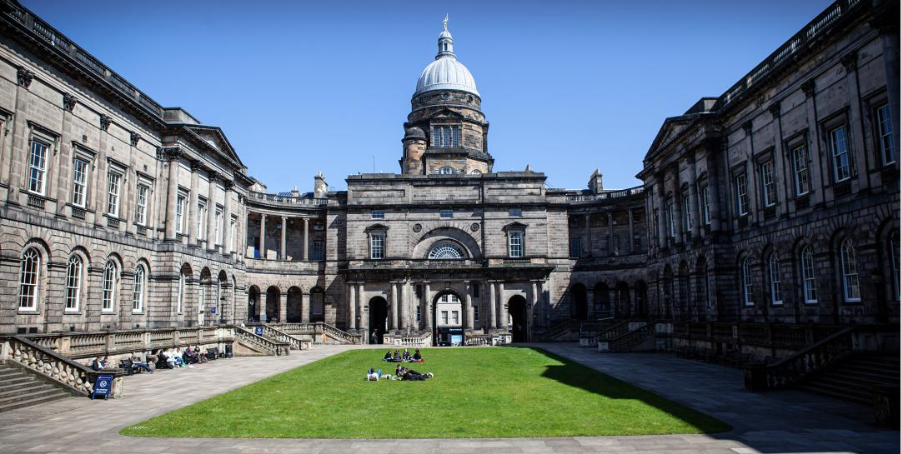
The University of Edinburgh is the birthplace of Dolly the Sheep, the first cloned mammal. Source: University of Edinburgh
7. Edinburgh, Scotland
Cue the bagpipes, we’re now traversing into the land of the Scots.
Despite the more… damp weather, Edinburgh’s walkability, proximity to Arthur’s Seat and Holyrood Park, rich literary culture, and strong student mental health services create a surprisingly nurturing environment. The dramatic landscapes of the Highlands are easily accessible for weekend restoration.
University of Edinburgh is renowned for a wide breadth of subjects, including medicine, literature, philosophy, and history.
As part of the UK, international students from outside the UK will need to apply for a Student visa (previously Tier 4), sponsored by the University of Edinburgh, before arriving.

Source: Chiang Mai University
8. Chiang Mai, Thailand
This northern city offers Buddhist temples, meditation retreats, affordable wellness practices, and mountain surroundings. The combination of academic programmes, low cost of living, and emphasis on spiritual practices attracts students seeking transformative experiences.
Chiang Mai University is Thailand’s premier university outside Bangkok, strong in Southeast Asian studies, sustainable development, public health, and Thai language/culture programmes.
International students studying in Thailand will need a Non-Immigrant ED visa, which Chiang Mai University’s International Relations Division actively helps students obtain and renew annually.

Source: University of British Columbia
9. Vancouver, Canada
Nestled between ocean and mountains, Vancouver offers year-round outdoor activities, diverse communities, and universities with strong mental health resources. The natural beauty combined with Canadian healthcare access and multicultural acceptance creates a supportive environment.
Vancouver is home to many universities, with the University of British Columbia being one of the most notable. This is thanks to its world-class research and courses forestry, marine biology, Asian studies. It’s also touted as having one the most beautiful campuses globally.
International students studying in Canada need a Canadian study permit (student visa), applied for online through Immigration, Refugees and Citizenship Canada after receiving an offer of admission.