





The Iran-Israel war may seem far away but its effects are increasingly felt close to home. While it’s schools and military bases in the Middle East that are being destroyed, countries several time zones away are being disrupted as well, from high spikes in fuel prices to
But the effects of the war can already be felt everywhere, from rising fuel prices to cancelled flights.
Another way that we – and especially students — might be feeling the impacts of warfare, though, is with AI.
AI platforms such as ChatGPT, Gemini, and Claude depend on huge computer farms packed with super‑powered chips (GPUs and TPUs) that can crunch billions of calculations really fast.
All that heavy lifting does not happen in your laptop or phone. It happens in giant data centres — some of which have already been the struck by kamikaze drones.
In early March, it was reported that Amazon Web Services (AWS) data centres in the Middle East, specifically in the UAE and Bahrain, have been targeted by strikes.
The destruction of a data centre would cause immediate outages for cloud applications, websites, and enterprise services hosted there. Following the attacks, millions of people in Dubai and Abu Dhabi found themselves unable to pay for a taxi, order a food delivery or check their bank balance on their mobile apps.
Amazon said the impacts and subsequent fires “caused structural damage, disrupted power delivery to our infrastructure, and in some cases required fire suppression activities that resulted in additional water damage.”
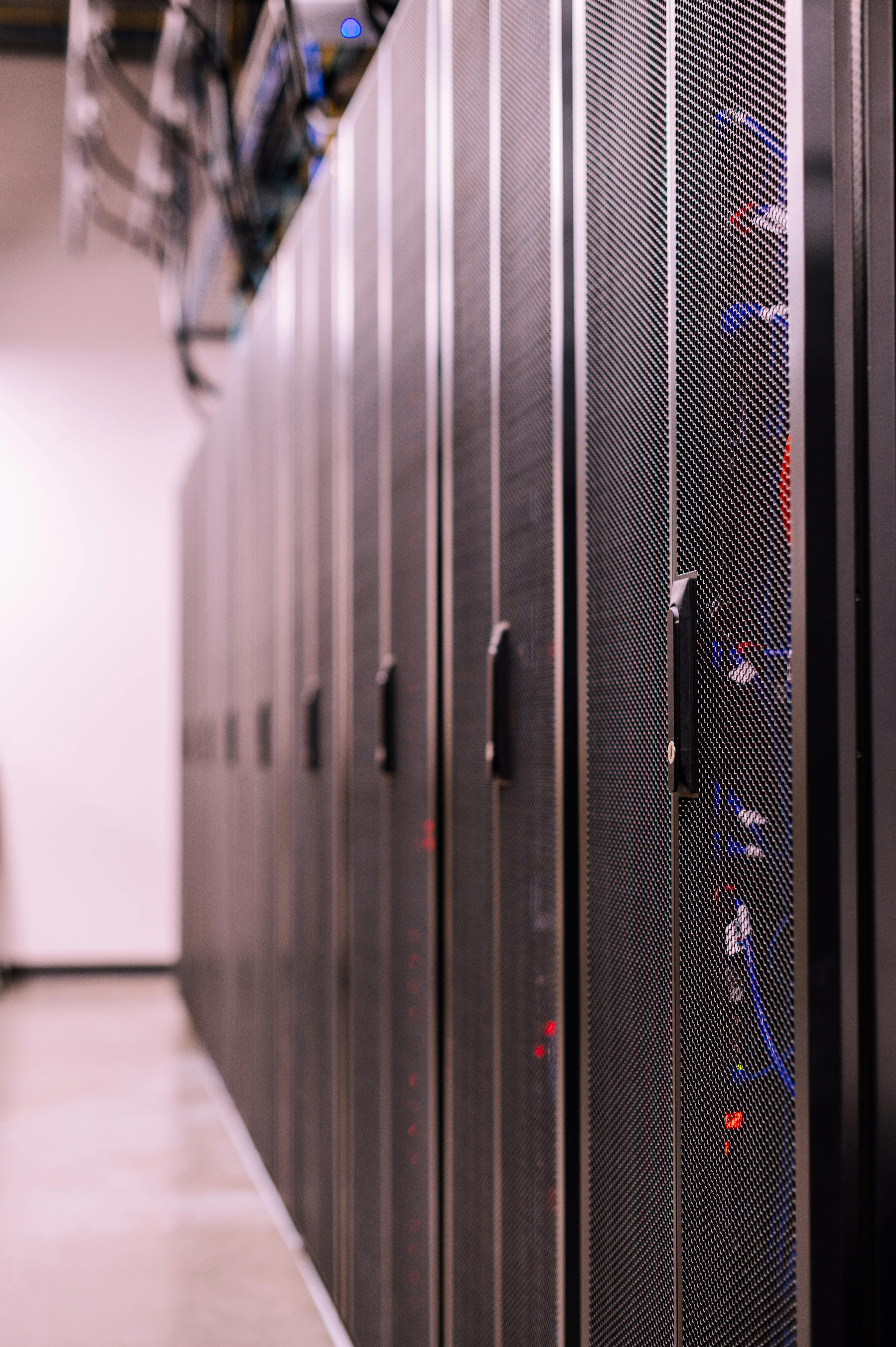
A data center is a secure, physical facility that centralises an organisation’s IT operations and equipment. Source: Brett Sayles via Pexels
Can you still use AI if data centres are destroyed?
There’s no doubt that AI has permeated our lives. After all, over 1.1 billion people actively use AI these days. In countries like UAE and Singapore, over 60% of working-age residents use AI.
AI services require data centres. Without data centres, AI models cannot be trained and AI responses cannot be generated. Those instant answers you’re used to getting? They won’t be possible without data centres.
So, how would the destruction of data centres, and AI services by extension, affect students of today?
Many students today use AI to help with homework and assignments. But as data centres get attacked, access can become less reliable.
AI tools used for writing, coding, or studying may suddenly become unavailable or slower, especially if backup systems are overwhelmed.
In the worst case, long-term shutdowns are possible.
And not just in one country, but regionally and globally too.
Even if these outages are temporary, it is still possible for us to permanently lose data. That means all our conversation history with AI and our prompts to fine tune them to our needs, could be wiped out as well.
Beyond just AI, many tools students depend on — cloud storage and learning platforms, for instance — are hosted in large, centralised data centres. If these facilities are damaged or taken offline, students could lose access to coursework, research materials, or even live classes.
So, for students everywhere, perhaps it’s time to prep for blackout of AI to help with homework. You may need to become more cautious and self-reliant, whether this means downloading offline copies of key materials, diversifying the platforms you use, and just changing the way you study and learn overall. In a world where digital infrastructure is no longer guaranteed, resilience becomes part of being a student.
Regardless of what happens, this might be a wakeup call for those who have been overly reliant on AI in their daily lives.
What to do when ChatGPT and Gemini go offline
Before Generative AI was a thing, students have passed exams and completed homework with just search engines and plain old manual research.
It is entirely possible, especially with a few initiatives on your part to start preparing now.
- Run AI on your own laptop: Download AI tools like Ollama or LM Studio onto your laptop to run models offline. You’ll still be able to get “help” if the data centres are down.
- Find thumb drives and your library card: Save offline PDFs of your textbooks and core study materials to a physical drive. Make sure your digital library is accessible without Wi-Fi.
- Become AI: Use AI to understand the “why” of your assignments. If AI disappears, you will have the skills to finish the work yourself.
- Master several Gen AI platforms: If you’ve just been using ChatGPT and Gemini, learn how to use Claude, Deepseek, or Perplexity. If one provider has issues, you’ll have other options ready.
AI is affecting strategies in the Iran-Israel War
You might still be wondering — why exactly is the military attacking data centres?
The fact is that AI is increasingly embedded in military strategy. Modern conflicts have been accelerating the development and deployment of AI from the battlefield to beyond, such as with real-time data analysis and satellite image processing to autonomous drones and cyber defense systems.
Firms such as Palantir, Anduril Industries, and Shield AI have developed specialised military technologies. Meanwhile, the US Department of Defense (DOD) is integrating ChatGPT into its enterprise AI platform, GenAI.mil, to enhance operational speed, decision-making, and productivity for military personnel.
At the same time, a war on information is happening online. AI-generated content about the conflict has made it easier to spread disinformation at scale. It’s important that we retain the ability to interrogate, fact-check, and research the content we consume.
Popular stories
From Ryan Coogler to Jessie Buckley: 5 Oscars winners this year who went to university

The education of BTS: Where the 7 K-pop stars studied

Struggling to make friends as an adult? These 5 apps can help you get started

11 useful educational channels on YouTube for struggling students