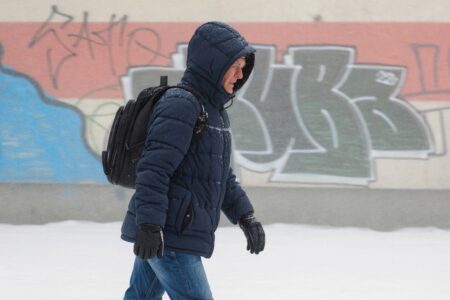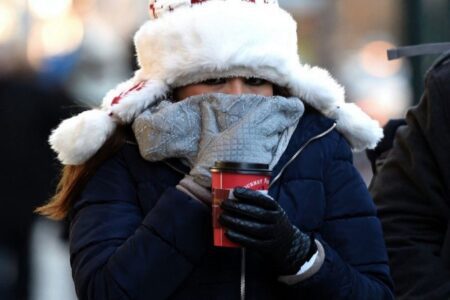


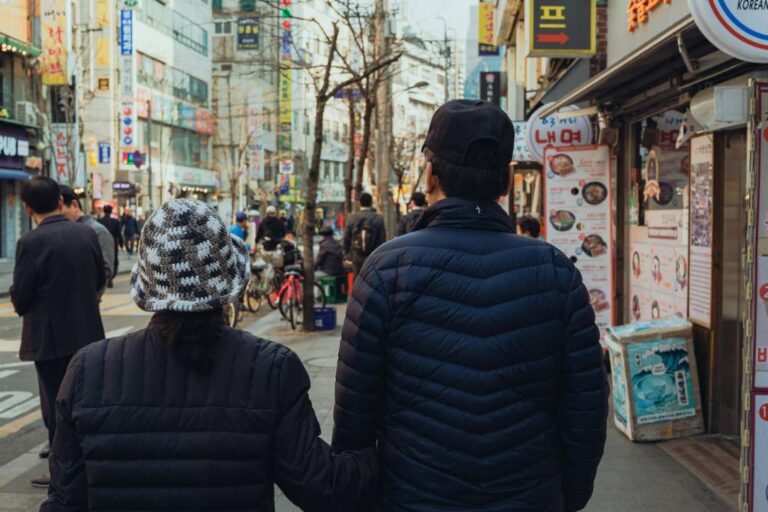


I thought I knew winter. I had been through Melbourne’s grey, wind-bitten mornings. I had even gone skiing in Hokkaido, Japan, the coldest region in the country.
So when I was preparing for my first Korean winter, I assumed I’d be ready for it.
A few days before departure, a headline stopped me cold. South Korea was facing record-breaking temperatures. On January 1st, 2026, Seoul’s feels-like temperature was forecast to plunge to –18°C, with the entire country bracing for a deep freeze.
Suddenly, my past (what I would consider) harsh winter experiences didn’t feel quite as bad.
That was when I turned back to my suitcase.
What I packed for my Korean winter trip
I reassessed what I had packed and settled on what I believed would be enough. For an eight day trip, I packed:
- 1x Uniqlo short padded jacket
- 1x Uniqlo White Mountaineering jacket
- 1x Uniqlo hoodie
- 4x long-sleeve shirts
- 4x pairs of jeans
- 2x Uniqlo HEATTECH Ultra Warm t-shirts
- 2x Uniqlo HEATTECH Ultra Warm leggings
- 8x pairs of socks
- 1x pair of sports shoes
However, for Nicole Chin, our other SI writer, who was on the trip with me, packed a little…differently:
- 1x Descente long puffer jacket
- 1x fluffy jacket
- 3x pairs of jeans
- 2x skirts
- 1x long-sleeve shirt
- 1x crop top
- 2x short-sleeve t-shirts
- 1x Uniqlo Heattech Warm leggings
- 10x pairs of socks
What I brought looked like a winter-ready lineup. But the Korean winter hits differently. Within days, I realised just how unprepared I was.
So, after learning the hard way, here are my top nine tips for surviving the Korean winter — or any other harsh winter countries for that matter:
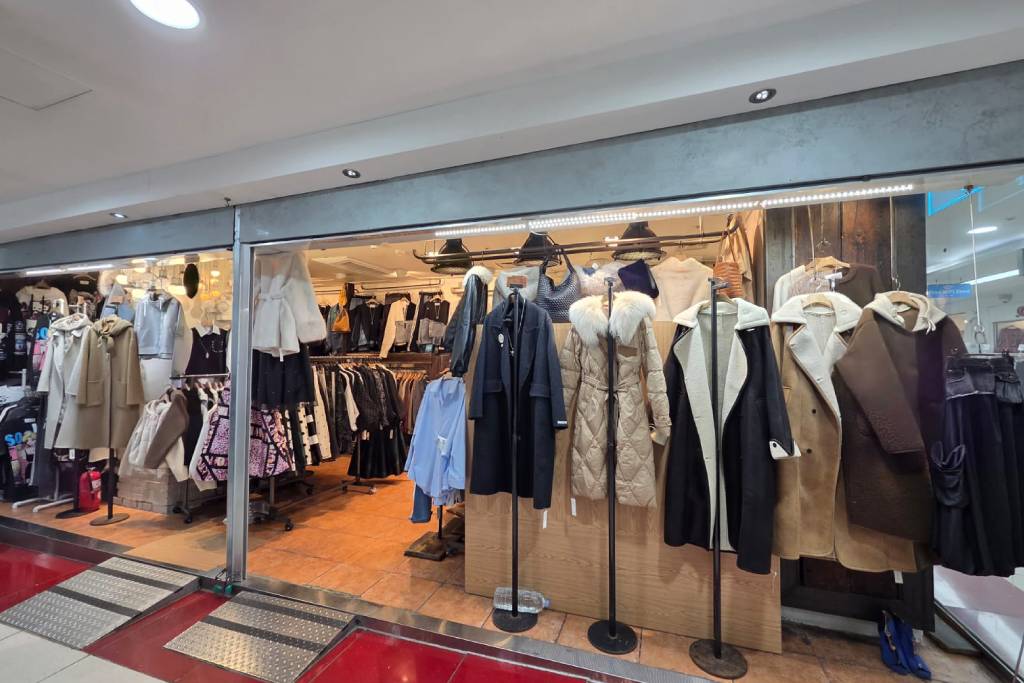
Looking for affordable but stylish clothes to get through the Korean winter? Seoul’s underground shopping malls are packed with budget-friendly and vintage-style local shops. Source: Emily Mar
Should I thrift winter clothes?
If you don’t visit winter destinations often, and don’t want to spend money on items you may never wear again, thrifting is a smart and practical option.
One popular option in South Korea is Dongmyo Flea Market, a local favourite where you can find a wide range of winter wear, including padded jackets from Nike and Adidas, and affordable leather and faux fur jackets.
If you arrive early in the morning, you’ll even find piles of clothing laid out on the ground, with items selling for as little as 1,000 won each.
Just be sure to take your time and inspect each piece carefully.
Nicole bought two winter jackets from the flea market for just 86,000 KRW (a steal), but it wasn’t enough to keep her warm.
Shop for winter clothes locally
If you’re a winter novice like me, it’s easy to assume that buying all your winter essentials from Uniqlo will be enough.
While I do recommend their long-sleeve shirts and HEATTECH layers as a solid base, relying on them alone, especially for outerwear, can be a mistake.
A better approach is to pack one reliable winter jacket and plan to buy another once you arrive at your destination. This gives you flexibility and ensures you’re dressed for the local climate.
For example, during a winter trip to Harbin, locally made winter pants from X (I need to find the brand) were far more effective against the extreme cold — something Uniqlo’s HEATTECH alone wouldn’t have been able to withstand.
South Korea is no exception. You’ll find plenty of affordable winter coats in underground shopping malls connected to subway stations, as well as in shopping areas near Dongdaemun Design Plaza.
Prices range from 60,000 to 100,000 KRW, making it a practical option for travellers.
Doing this also helps if you don’t want to pack your suitcase with thick clothes (and can fill it with more souvenirs instead!)
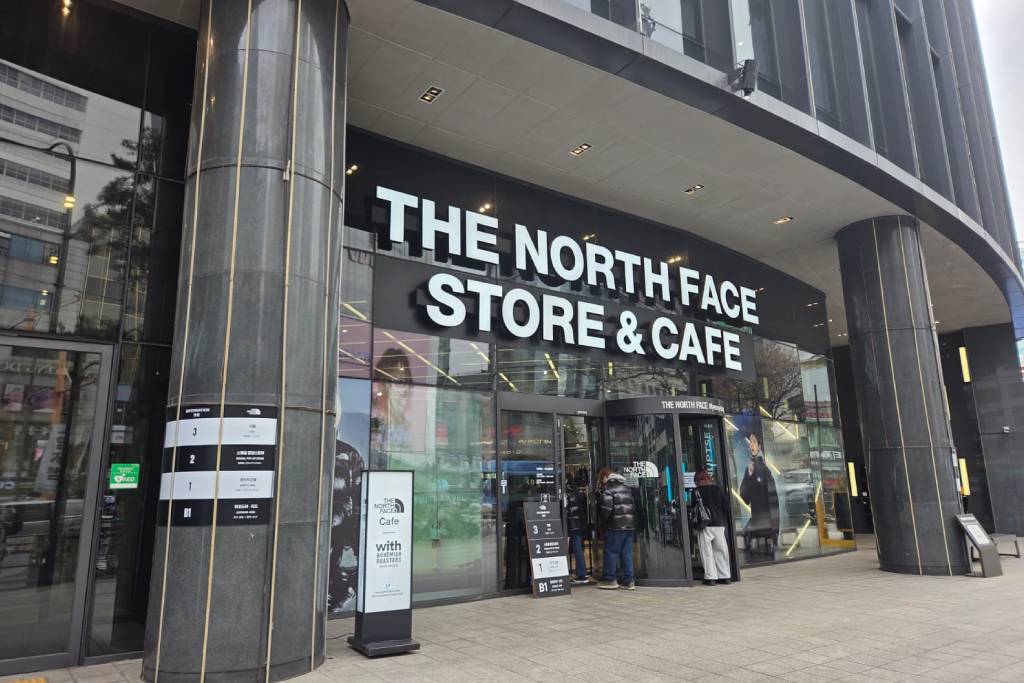
A Korean winter favourite is North Face. The Myeongdong branch is especially popular; it even has a café on the third floor. Source: Emily Mar
Want brand new winter clothes? Use these brands
If you’re willing to spend a little more for quality, brands like The North Face, Descente, National Geographic Apparel, and Discovery Expedition are popular choices in South Korea.
While they may be expensive, they are worth the price because they feature technology that helps you withstand Korean winters or any other harsh winter conditions.
Now, which type of padding should you get? The long one? Or a short one?
Well, it’s always good to have both. But if you’re prone to getting cold, you should get the longer padding.
It helps keep your legs warm and protects you from the Korean winter winds.
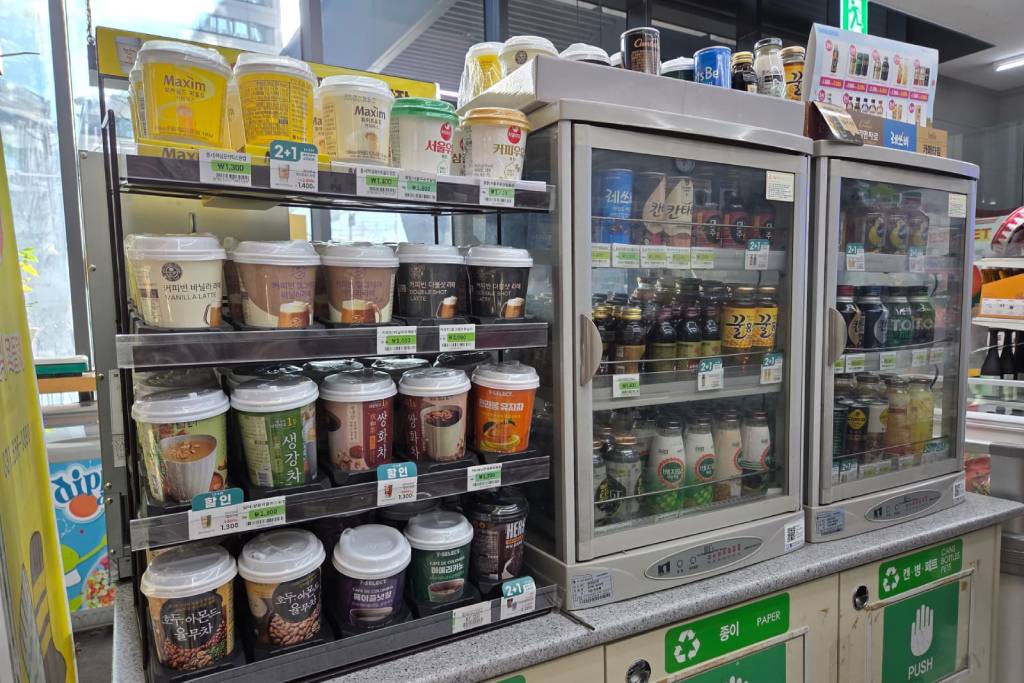
Convenience stores are a cheap and easy way to stay warm in the Korean winter. Grab a hot drink like honey lemon, yuja tea, coffee, or soybean milk and warm up instantly. Source: Emily Mar
Drink WARM soups and drinks
When trying to stay warm, it’s important to not drink scalding hot food or drinks.
That’s because very hot drinks can trigger your body to sweat. As sweat evaporates from your skin, it cools your body down, counteracting the warmth you were hoping to gain.
That said, warm soups and drinks still play an important role in winter. They soothe cold or flu symptoms, provide physical comfort, and stimulate digestion.
Wear HEATTECH
When it comes to outerwear, it’s best to buy locally so you’re dressed for the climate.
For innerwear, however, I still strongly recommend investing in HEATTECH. A good base layer makes a noticeable difference in how well you retain warmth throughout the day.
And while layering multiple pieces can keep you warm, it often comes at the cost of bulk.
On top of that, once you step indoors, there is indoor heating —you can quickly start to overheat.
Constantly removing and putting layers back on every time you go outside becomes inconvenient and frustrating.
Hot packs are key to staying warm
In harsh winter weather, hot packs can make a huge difference. They’re widely available at convenience stores and usually cost between 1,300 and 1,500 KRW.
Hot packs come in a variety of types and sizes, including stick-on versions and pouch-style warmers you can slip into your pockets. Some are even designed to last all day.
One brand I personally recommend is “마이 핫 보온대”, which has been my go-to choice for this trip. Make sure to choose the version labelled “body warmer.”
While it costs around 1,500 KRW per pack at convenience stores, it’s even more affordable online. If you have access to Coupang, you can buy a pack of 10 for as low as 8,930 KRW, or 20 for about 15,200 KRW.
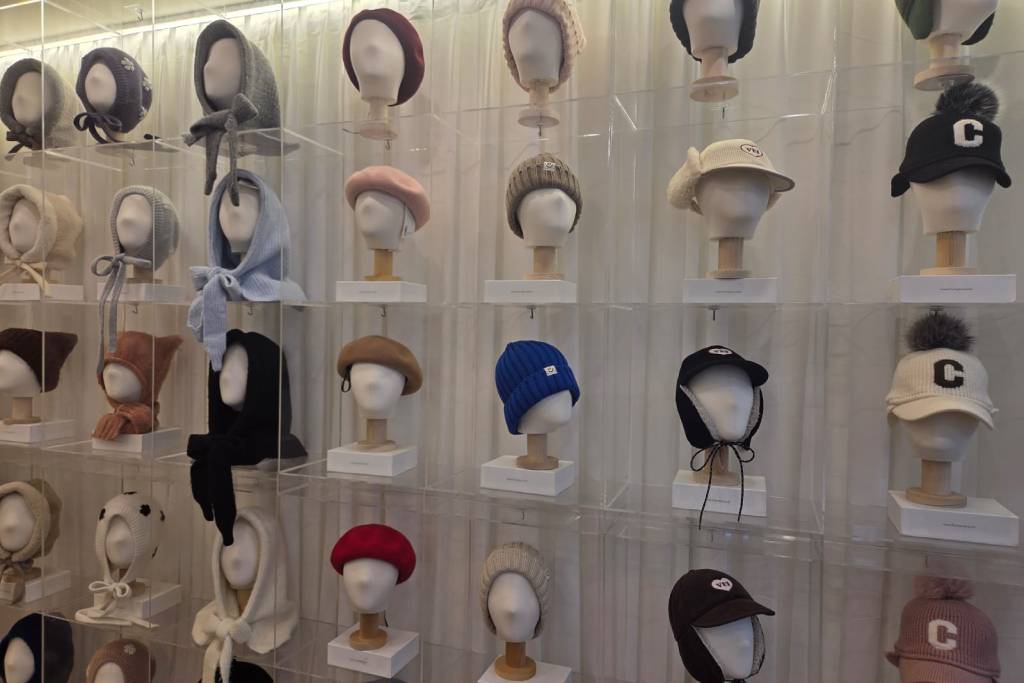
Forget beanies. In Seoul, there are so many different types of head accessories to stay warm in the Korean winter. Source: Emily Mar
Wrap yourself
Walking outdoors in winter can be brutal, especially when icy winds hit your face head-on.
Add in trying to follow Naver Map on your phone, and suddenly, your hands feel like they’re freezing off.
This is why proper coverage is essential. A beanie, face masks, and touchscreen gloves help shield you from the wind and make navigating much easier.
A special note for women for surviving in winter
During your period, your body temperature can drop, which often makes you feel colder than usual.
This change can make already harsh conditions feel even more difficult to manage. To stay comfortable, it helps to be a little more prepared during this time.
Taking the right vitamins, paying attention to changes in your body temperature, staying hydrated, and keeping an extra heat pack on hand can all make a noticeable difference in how warm and comfortable you feel.
Popular stories
Impressive and elite: Where and what the cast of ‘I Swear’ studied

A student-friendly guide to surviving the Korean winter (or winter in any country)
10 most popular languages in the world and the most beautiful words in each

Bold, dark, and daring: 5 most morbid degrees that give you the chills