


It took some time for undergraduates Charlotte Miller and Shelley Culver to find their place in the world of oceanography. They had first signed up to study engineering, a field they had no interest in, but quickly switched to Texas A&M University’s new oceanography-related bachelor’s degrees.
“I felt like I could not change majors fast enough,” Culver says. “Best decision of my college career.”
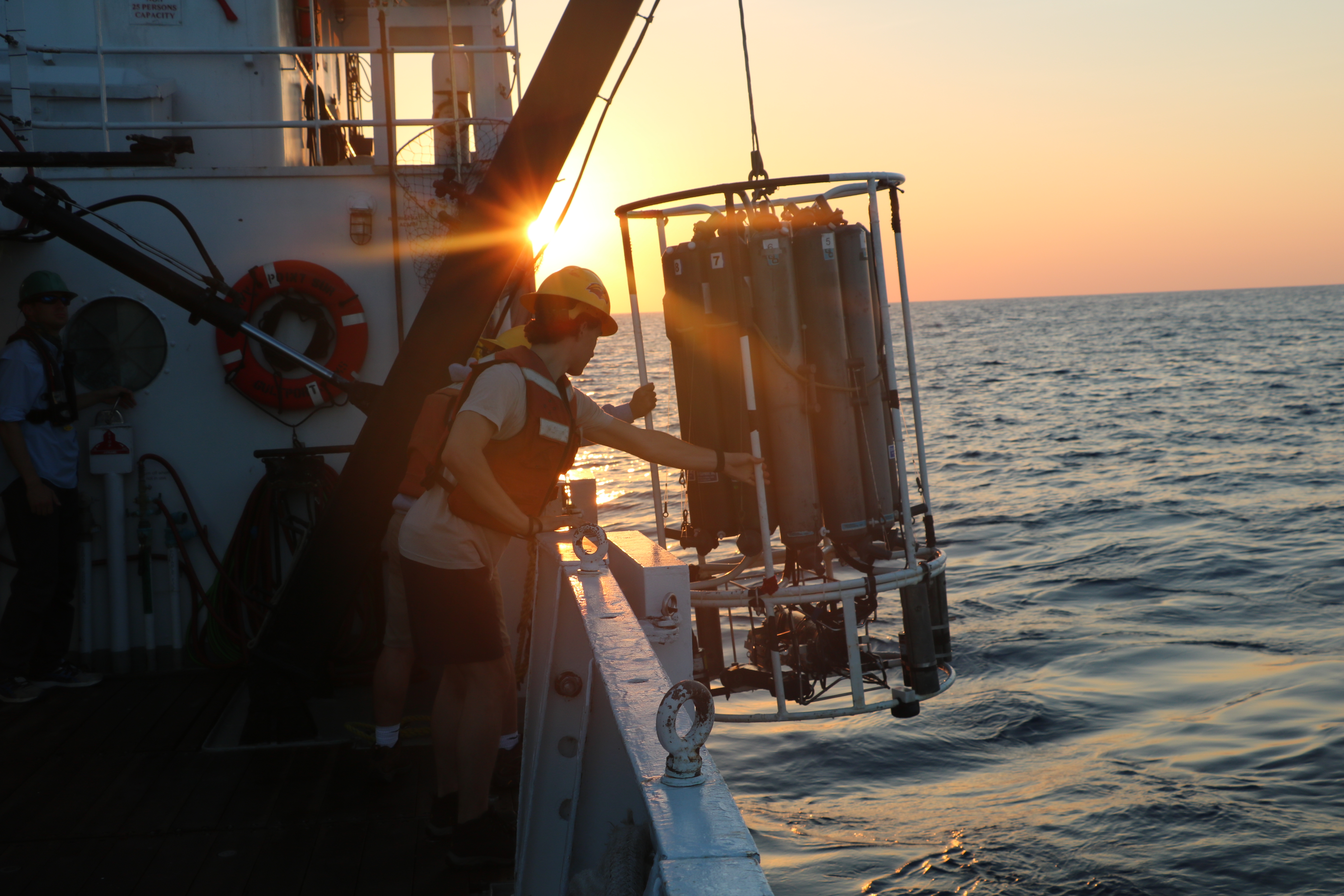
The Department of Oceanography takes a multidisciplinary, multi-modal approach to its programmes, encouraging you to learn in labs, on the field, and even out of country. It’s a great way to evolve into an expert, more so when the department merges the study of traditional sciences – biology, chemistry, geology, mathematics, and physics – with the vast blue sea. As a student here, you’ll never be bound by disciplines in your exploration of the ocean’s ancient history, its current state, and what is to come.
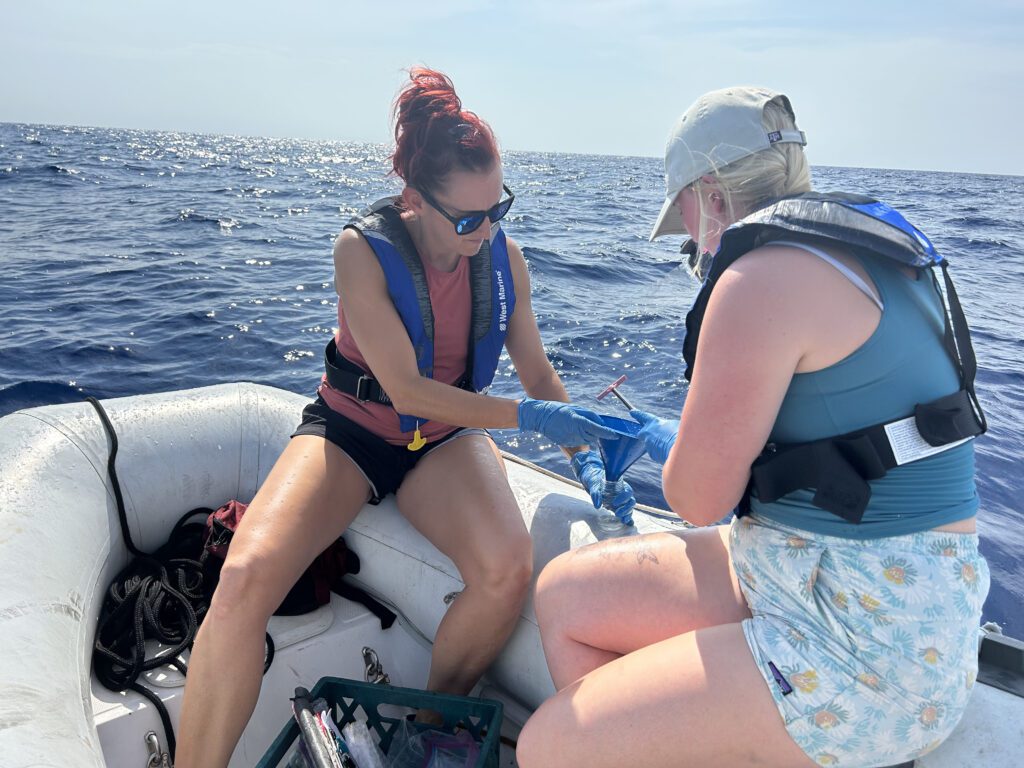
Oceans are complex systems, for which no single discipline can explain them fully. At Texas A&M University, oceanography programmes focus on several sciences. Source: Texas A&M University
Classic science, contemporary discoveries
Merging chemistry, biology, physics, maths, and geology with the study of oceans reveals the secrets of what Sir David Attenborough calls “the most important place on Earth” in richer, more actionable ways.
Biological oceanography helps us understand the life forms that inhabit our oceans — from microscopic microbes to majestic marine mammals. It examines their habitats, behaviours, and contributions to ecological processes such as food production. For example, Miller investigated how sea turtles behaved while nesting in Matagorda Bay with Dr. Christine Figgener and Dr. Pamela Plotkin (now retired).
Meanwhile, a fusion of geology and ocean science affords a more nuanced understanding of the seabed — its origins, contours, and the forces that shape its evolution. Mathematics, often forgotten, is the language through which observations and data are quantified and interpreted. And then there’s physical oceanography, which charts the movements and moods of the sea, as well as its interactions with the atmosphere.
It’s within this interplay of disciplines that research at Texas A&M University finds its stride. Dr. Ping Chang is spearheading a study that reads detailed climate simulations to better understand sea-level rise and the behaviour of extreme weather events, such as hurricanes, that may affect coastal industries.
Dr. Chang and his students use advanced climate models to examine storm surge, ocean currents, and shoreline changes, assessing their impact on the economy and community.
Through partnerships with organisations like the Nature Conservancy, they also analyse nature-based solutions and their effectiveness in reducing damage from storms and rising sea levels. “These experiences give students hands-on practice using science to guide policy and protect coastal communities,” he says. “Their research helps create smarter strategies for balancing economic growth and environmental protection.”
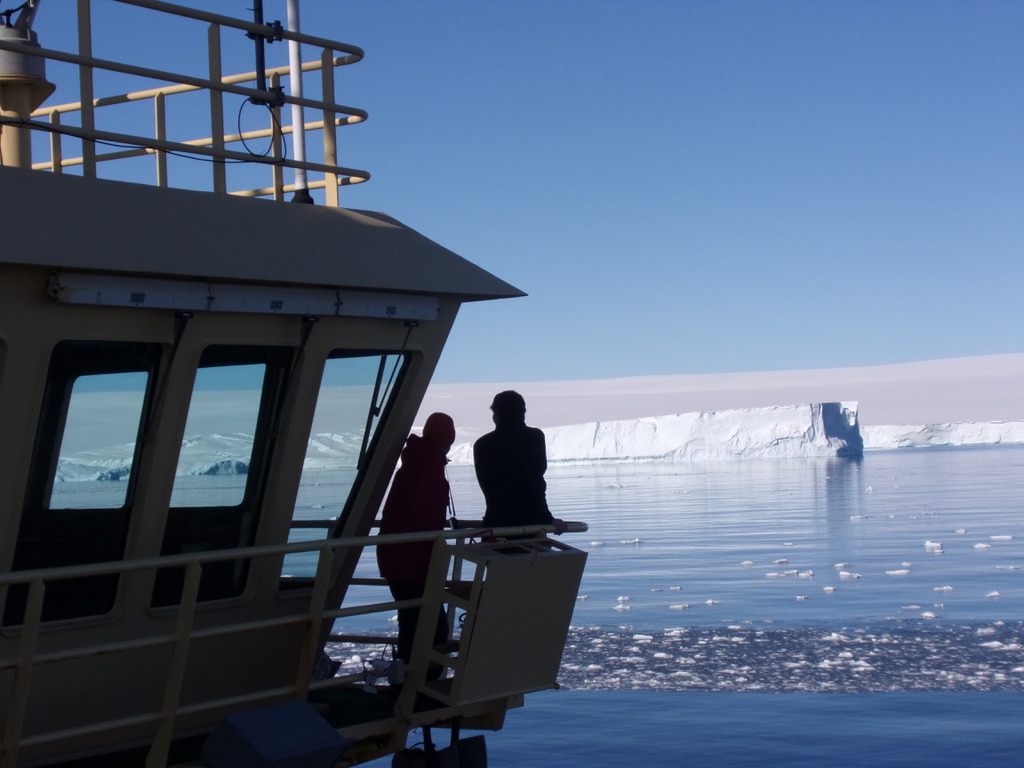
Integration of disciplines matters — many breakthroughs happen at the intersection of fields. Source: Texas A&M University
Bachelor’s degrees to study the ocean
The Oceanography, BS encapsulates these four scientific areas in oceanography. The BS’s themes are Marine Chemistry and Geochemistry (MCG), Marine Ecosystems Processes (MEP), Ocean Climate (OC), and Ocean Observing Science and Technology (OOST). Depending on your interest, the programme can set you up for careers in marine science or other related industries such as in energy, transportation, and insurance.
Graduates often stand out for their soft skills honed here. “Our department has a heavy emphasis on communicating science,” Culver says. “Many professors stress that communicating your findings to your peers and the public is just as important as your actual findings. Many of the classes I have taken have taught me the knowledge I need to succeed as well as improved public speaking and writing skills.”
More passionate about policy and regulations? Then the Ocean Studies, BA is the better choice for you. With an emphasis on linking the ocean to society, you will learn to identify current issues and find solutions to protect one of Earth’s greatest natural resources – our oceans.
Follow Texas A&M University’s Department of Oceanography on Facebook, Instagram, LinkedIn, and X.