


The 21st century is testing humanity. Across cultures and across time, our social DNA is mutating fast. The old rules seem to no longer apply.
In Himalayan India, older women of the Gaddi community now feel unseen and uncared for as younger generations chase new ambitions. In Sudan, over half of the population is food insecure, with famine has been confirmed in at least five areas. A post-conflict Uganda is now host to over 880,000 South Sudanese refugees, with many living in northern districts.
Where issues like these would go unheard elsewhere, the experts at SOAS University of London ensure that these conversations are being had front and centre.
SOAS is ranked 16th in the UK for student diversity, second for its international faculty, and to date, is the only institution in Europe to focus its degree programmes on the perspectives of Asia, Africa, and the Middle East. At the university’s Department of Anthropology and Sociology, these challenges across India, Sudan, Uganda, and more are being studied, researched, and addressed to create a world that’s more just, more equal.
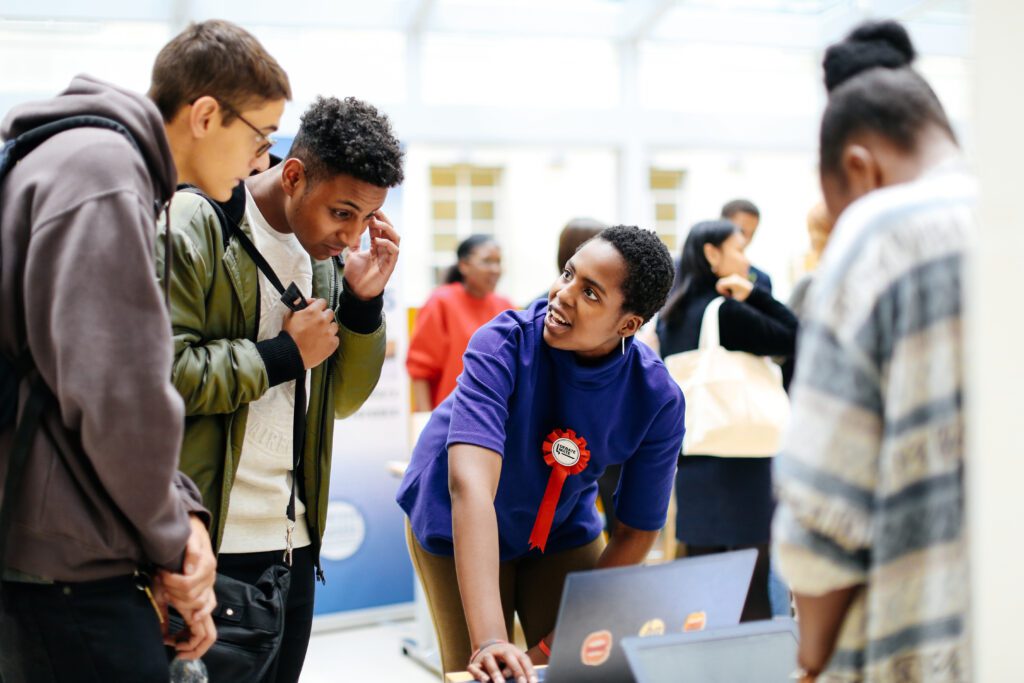
SOAS is ranked sixth in the UK and 18th in the world for anthropology, according to the QS World University Rankings 2025. Source: SOAS University of London
“The Department of Anthropology and Sociology is a diverse community of scholars, practitioners, and students committed to exploring the vast human experience in a fast-changing and complex world,” says co-heads Emma Crewe and Catherine Dolan. “We use the method and theory of anthropology to challenge our common assumptions and to critically engage with the pressing issues of our time.”
With the regional expertise and language skills of SOAS scholars, ethnographic research takes place on a daily basis. Dr. Nikita Simpson, a reader in Anthropology, had stationed herself within a Gaddi family and interviewed women across different caste groups to explore the case of alienation. The SOAS Food Studies Centre is examining how the digitalisation of food assistance in Sudan might affect access to food for marginalised populations, while Dr. Ryan Joseph O’Byrne, lecturer, is studying the coping strategies and resilience of South Sudanese refugees in Uganda.
If you’d like to conduct cutting-edge research projects like these, pursuing an undergraduate or postgraduate degree at SOAS’s Department of Anthropology and Sociology is a good place to start. The five MA programmes offered will enable you to traverse through the diverse forms of knowledge, perspectives, and practices of the Global South and their diaspora communities. They are the MA in Social Anthropology, Anthropology of Global Futures and Sustainability, Medical Anthropology and Mental Health, Migration and Diaspora Studies, and Anthropology of Food.
“Coming into the programme, I was not entirely sure what anthropology was, but by the end, it felt like I was seeing the world for the first time,” says an alumna of the MA Anthropology of Food. “Through carefully curated topics, covering historical and current food production and consumption behavioural patterns, I felt able to identify and engage with the various aspects surrounding these behaviours.”
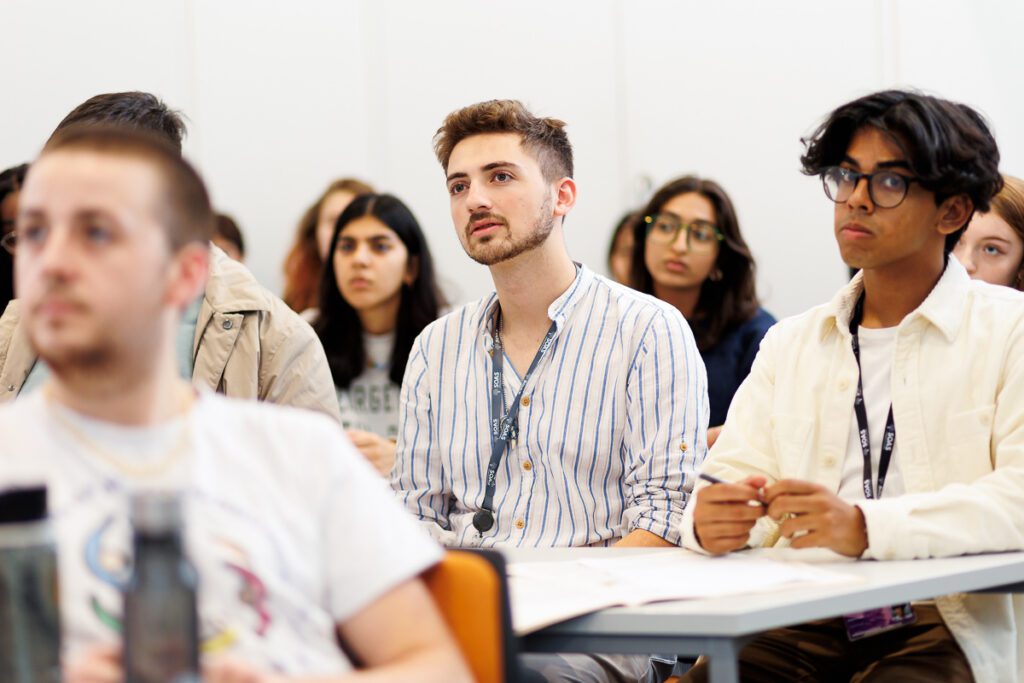
Graduates from the Department of Anthropology and Sociology now work at top organisations, including the British Council and UNICEF, among others. Source: SOAS University of London
Most programmes span one year of full-time study, but suppose you find yourself eager to master a new language. Certain programmes, like the MA Social Anthropology and the MA Migration and Diaspora Studies, allow you to pursue the intensive language pathway, stretching the period of study to two years. You could study a language that isn’t often found at other universities, like Swahili, Hindi, Persian, Turkish, and more.
Within SOAS’s close-knit campus community, you get to experience teaching that’s research-led, practice-based, and collaborative through a mixture of seminars, lectures, workshops, hands-on projects, and work placements. While you’ll have to complete 45 credits of compulsory courses to develop your fundamentals, the rest of the curriculum is customisable, with option courses available both in the department and beyond. The programme will round up with a 10,000-word dissertation on a topic of your interest.
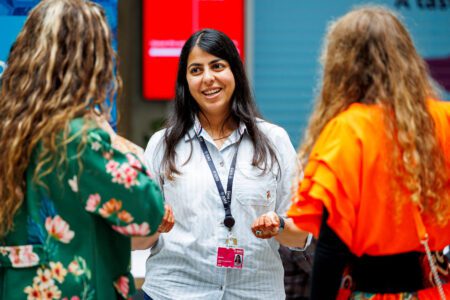
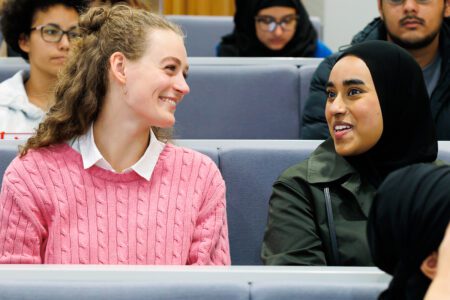
At SOAS, you’ll never have to question the global relevance of your programmes — not when you’re engaging with the real world from day one: while you’re conversing with your peers in class, who make for a culturally rich and multilingual community, for example. Or in one of the department’s three cutting-edge research centres, as you work with an award-winning scholar on a funded research project. Or on a work placement, as programmes like the Anthropology of Global Futures and Sustainability include a course in which you’ll intern for an institution, organisation, or enterprise related to the field.
It’s a unique education. SOAS, with its focus on non-Western and decolonial perspectives, has empowered over 75,000 students to make a difference success after graduation. Graduates have gone on to work at the BBC, UNICEF, the World Bank Group, the Social Mobility Foundation, and more. Their value is clear — the Department of Anthropology and Sociology ranks third in the UK for employer reputation.
If you’re ready to become one of them, then check out the Department of Anthropology and Sociology here.